
News
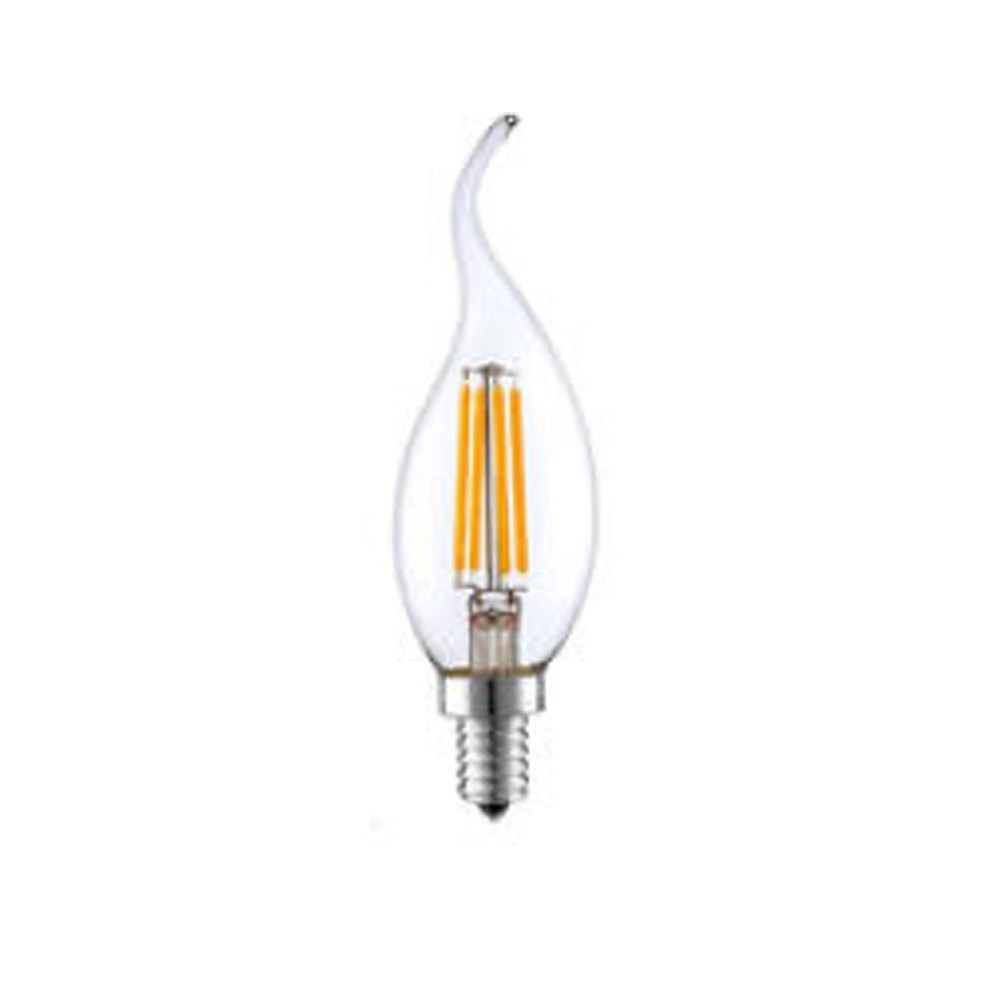
Dimmers and LEDs: which bulbs dim and which do not
Not every LED bulb dims, and not every dimmer suits LEDs. The conditions for compatibility, the typical problems and some alternatives to a dimmer.
An LED glows faintly when switched off: what causes it
The switch is off, yet the bulb glows faintly in the dark or flashes now and then. Behind this there is usually a switch, the wiring or a tiny leakage current.
LED lifetime: what “L70” and the hour figures mean
The hour figure on the box is not the moment the bulb suddenly dies. What markings like L70 and B50 mean, and how to turn those hours into years.
Why LED bulbs fail before their time
LED bulbs are meant to last, yet some die within months. The main reasons for early failure, and how to track down the cause at home.
Do enclosed fittings shorten LED bulb life?
Inside a fully closed shade the air heats up, and the LED driver suffers for it. When there is a risk, what the packaging symbol means and what you can do.
How voltage drops and surges affect LED bulbs
Lights dimming in the evening, bulbs dead after the power comes back: all of it comes down to the supply. How voltage changes affect LEDs and how to protect them.
Will an old 12 V halogen transformer run LED MR16s?
Swapping old halogen spots for LED MR16s often exposes a transformer problem: flicker, cut-outs, buzzing. How to identify the transformer type and fix it properly.
SMD, COB and filament: the types of LED light source
The single word "LED" covers quite different designs. How SMD, COB and filament light sources are built, and where each of them works best.
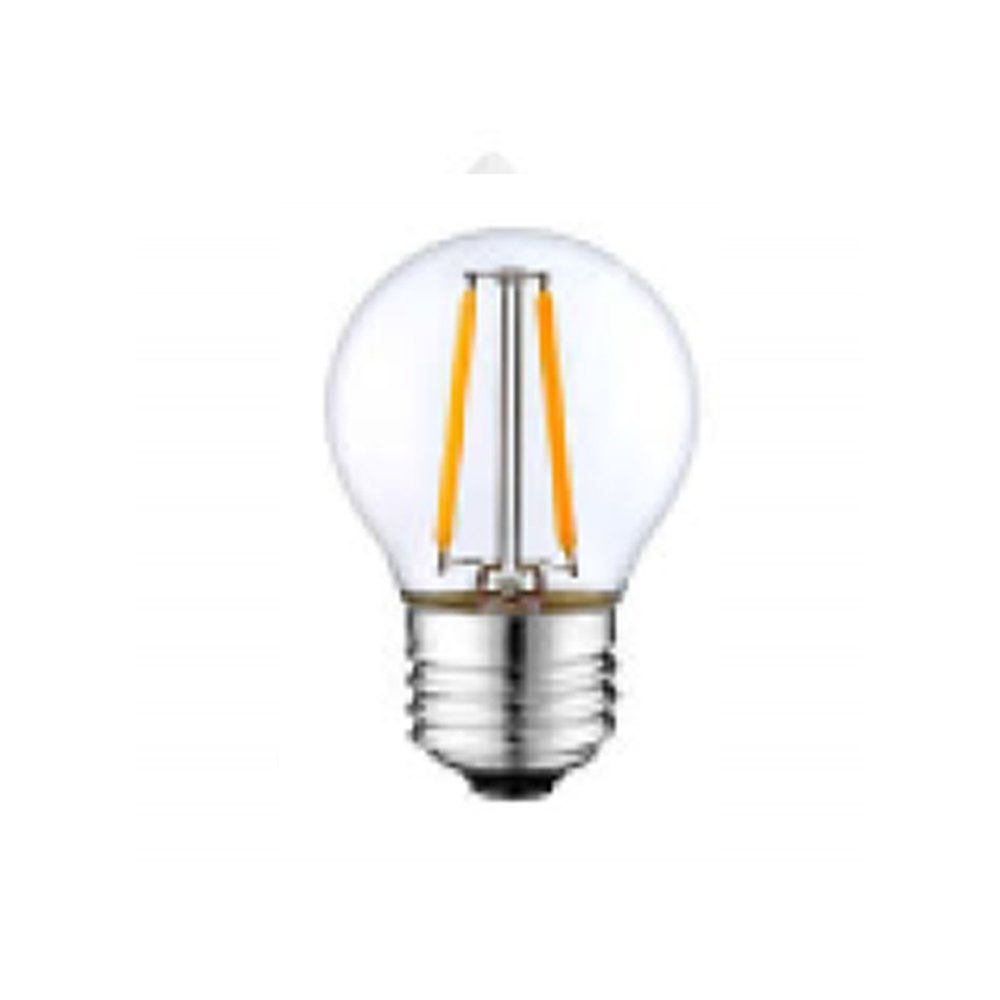
How a filament LED bulb is built
A filament LED looks like an old incandescent bulb, but inside are LED strips, a phosphor coating, a gas-filled glass envelope and a tiny driver. Here is what each part does.
IP ratings explained: IP20, IP44 and IP65
The two digits of an IP code show how well a light fitting keeps out dust and water. We explain IP20, IP44 and IP65 and where each one belongs.
Power factor (PF): what it is and who should care
Power factor shows how efficiently a bulb uses the current it draws from the mains. What it changes at home, and why it matters in offices and workshops.
Can LED bulbs interfere with radios and other devices?
Some LED bulbs have drivers that emit electromagnetic noise heard as hiss on a radio. Why it happens, how to find the culprit and what to do about it.
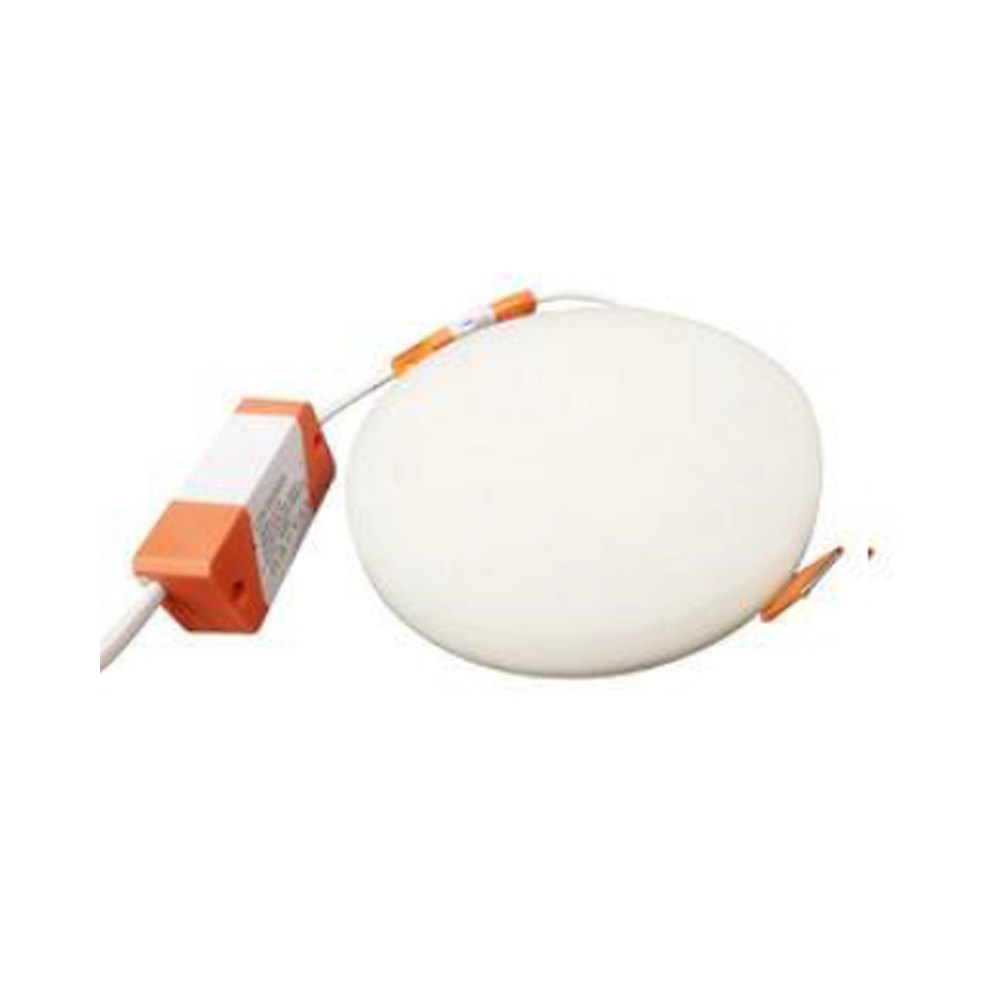
Why an LED bulb or driver buzzes
A faint buzz from an LED bulb or panel driver usually traces back to a dimmer, an old transformer or components inside the driver. Here are the causes and fixes.
An LED bulb takes a moment to come on: why?
You flip the switch and the light arrives a beat later. How to tell a normal, driver-related delay from one that signals trouble.
LED bulbs in frost and heat: temperature limits
LED chips like the cold, but driver electronics are sensitive to both frost and heat. What to look for when choosing bulbs for balconies, garages, lofts and workshops.
“220–240 V” and “110–240 V” on a bulb: what they mean
The voltage range printed on a bulb shows the supply it is built to work on. The difference between 220–240 V and 110–240 V, and what it means in practice.
Plastic vs glass bulb housings: how they differ in toughness
Polycarbonate withstands knocks and does not shatter into shards; glass resists scratches and never yellows. Where each material wins and how to choose between them.
Does the colour of LED light change over time?
After a few years an LED bulb may look yellowish, greenish or bluish next to a new one. Why that happens and how to keep the difference to a minimum.
Smart Wi-Fi bulbs: how they differ from ordinary LEDs
A smart bulb is an LED bulb with a radio module inside. Here is what that adds, what it demands from your home, and where a plain bulb still makes more sense.
LED strips: 12 V, 24 V and choosing a power supply
Strip voltage, run length and power supply rating are tied together. We walk through the calculation step by step and explain the typical mistakes.
How a fluorescent tube lights up: the ballast and starter
A fluorescent tube needs two helpers to light: a starter that preheats the electrodes and a ballast that limits the current. What each one does and how they fail.
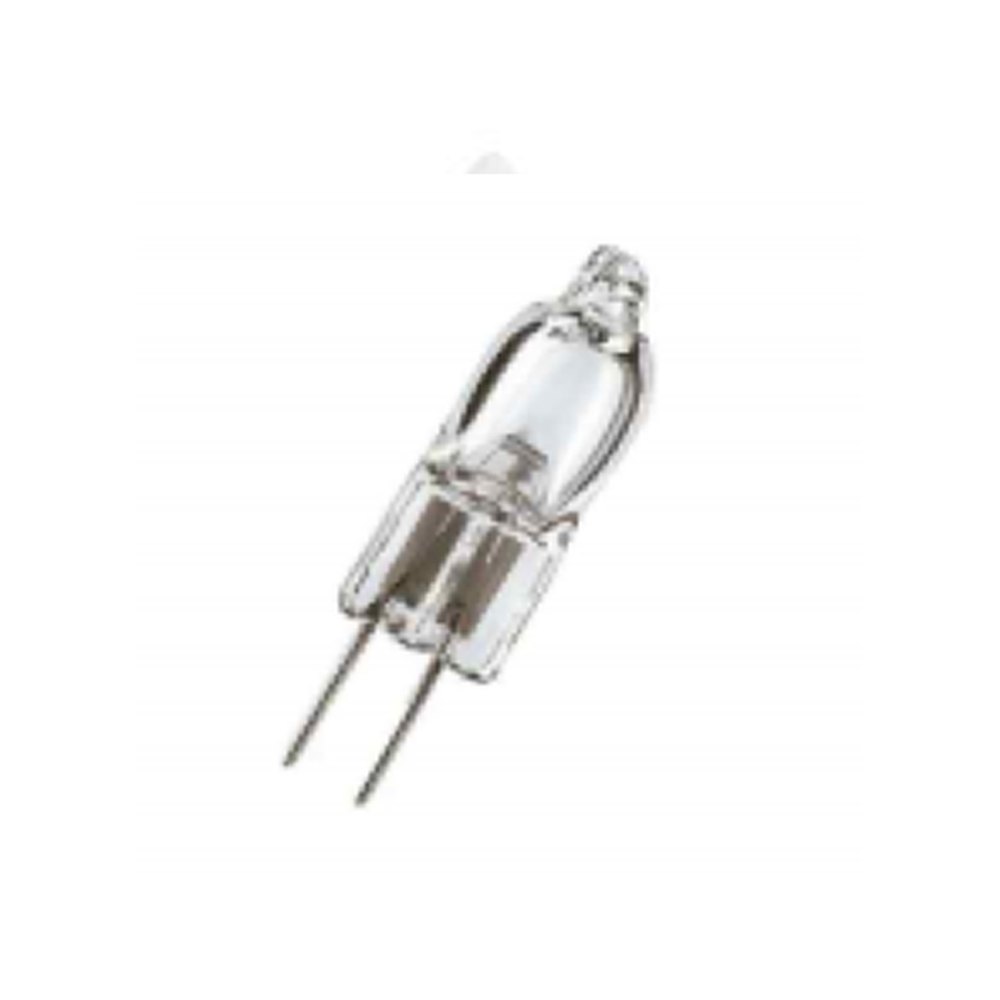
How a halogen lamp works and why it runs so hot
A halogen lamp is a refined incandescent lamp: a quartz envelope and the halogen cycle make it brighter, yet most of its energy still turns into heat.
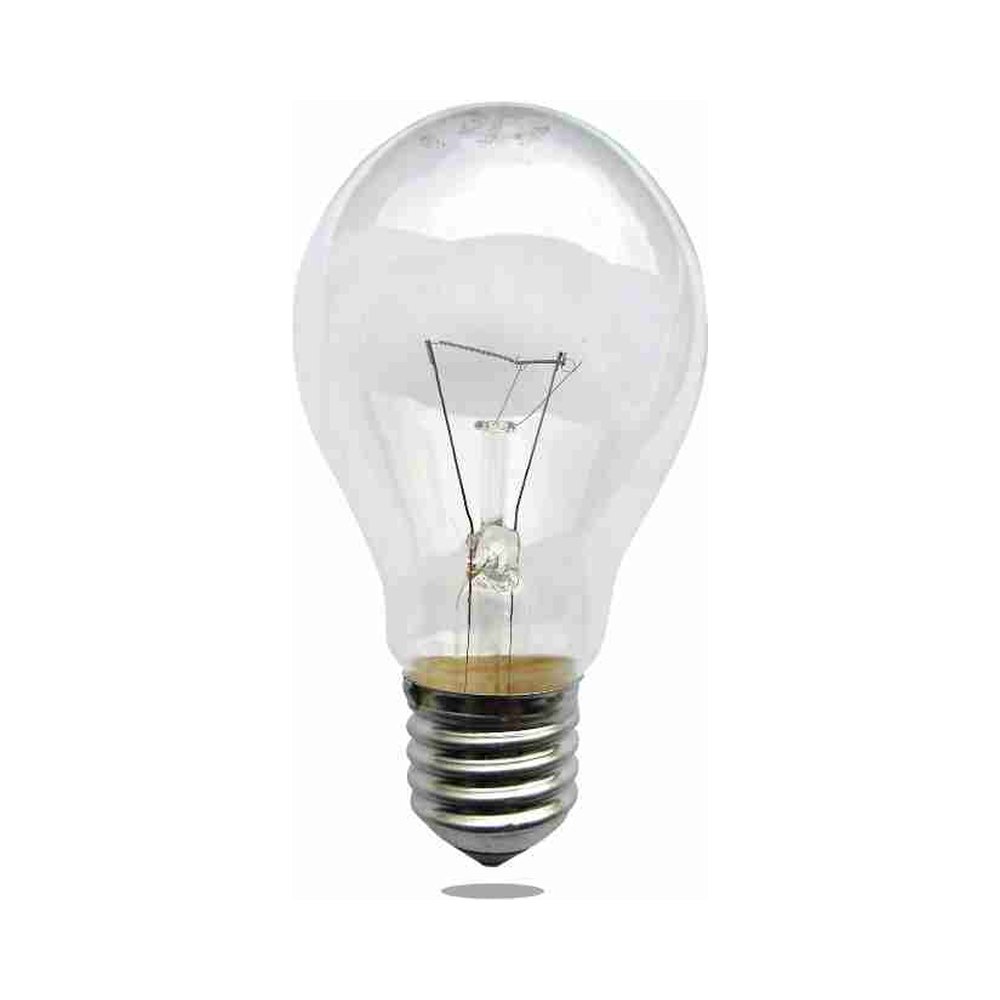
How an incandescent bulb works and why its filament breaks
The incandescent bulb is the simplest light source, yet several physical effects lie behind a broken filament. Here is why bulbs so often fail the moment they are switched on.
How to check a new LED bulb at home
A new LED bulb can be checked right out of the box with a few simple tests: packaging, body, start-up, flicker and heat. No special equipment is needed.