
News
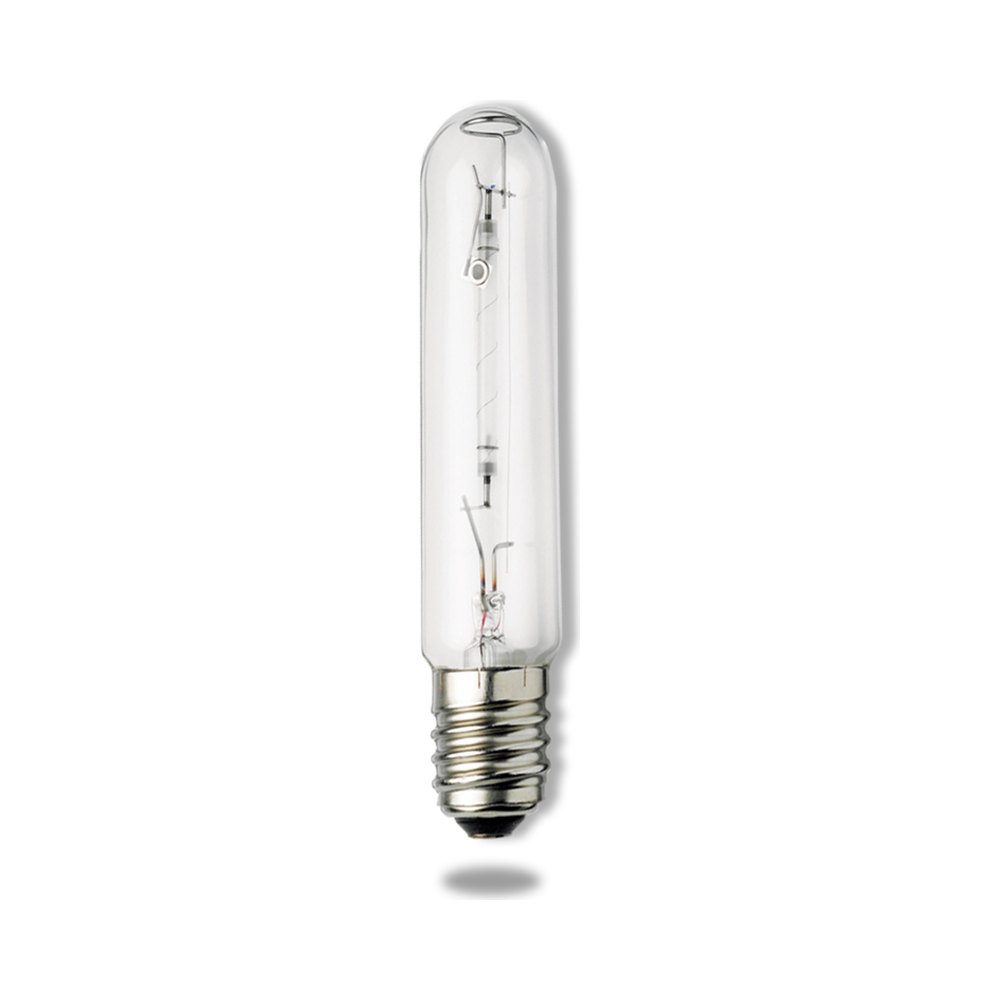
Hot bulbs, curtains and lampshades: reducing the fire risk
Incandescent and halogen lamps get very hot, and fabric, paper and plastic nearby cannot withstand that heat for long. Risky situations and simple precautions.
Is LED light bad for your eyes? Facts and advice
There are plenty of claims about LED light harming the eyes. What scientific opinion says about blue light, flicker and glare, and what to watch for in daily use.
How to spot a poor-quality or unsafe bulb
A poor bulb does not just fail early: it can flicker, overheat, melt or pose an electrical hazard. What to look for on the box, on the bulb and in the first few days.
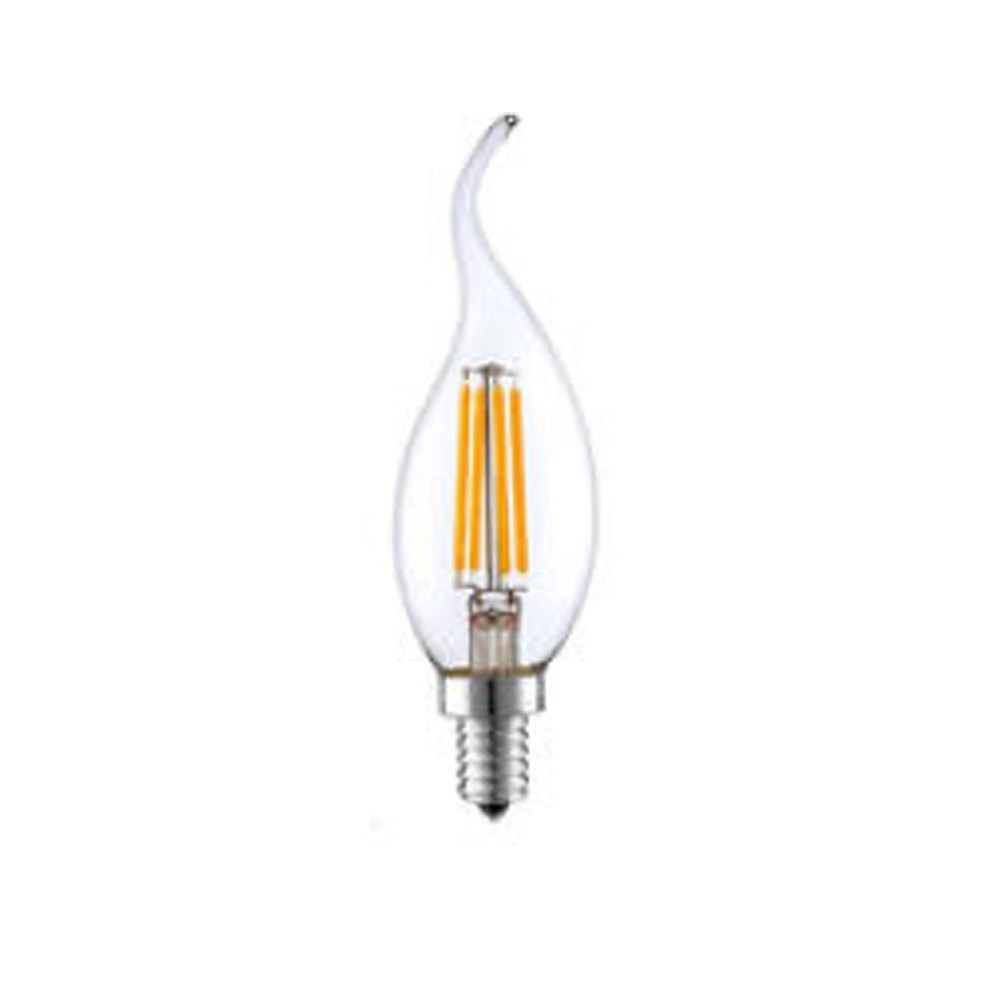
Old wiring and a multi-bulb chandelier
In an older building, the cables, junction boxes and hook in the ceiling may not be ready for a heavy new chandelier. What to check first and what LED changes.
Emergency lighting and escape routes: the basics
When the power fails, emergency lighting and exit signs let people leave a building safely. The types, how they work and why regular testing matters.
Do LED bulbs give off ultraviolet light?
The spectrum of an ordinary white LED bulb contains practically no ultraviolet. Why that is, how it compares with other lamps and where UV really matters.
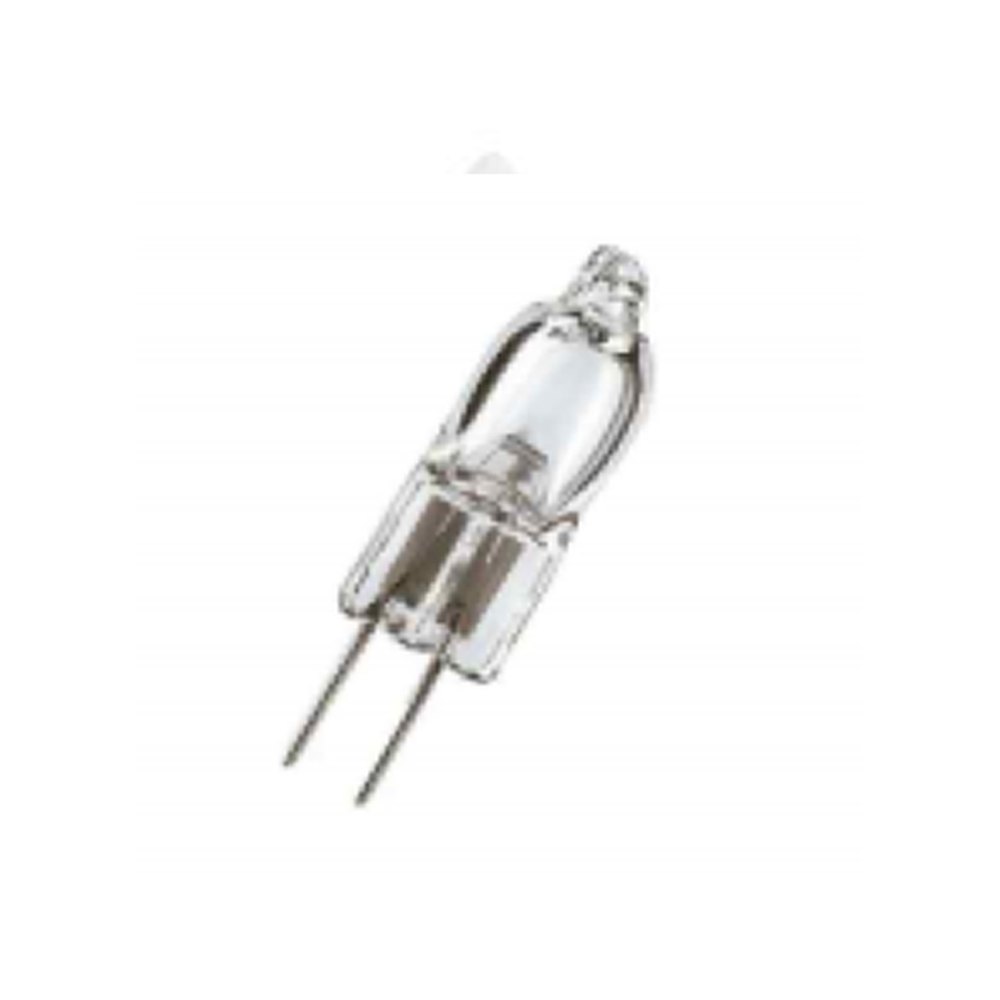
Why you should not touch a halogen capsule with bare fingers
Halogen lamp boxes often say do not touch the glass. How a fingerprint damages the capsule, how to fit the lamp properly and what to do if you touch it by accident.
Fitting a light yourself or calling an electrician?
Changing a bulb and creating a new light point are very different jobs. Which tasks you can usually do yourself, where an electrician is essential, and how to decide.
A light will not come on: a safe order of checks
You press the switch and nothing happens. The cause could be anything from a dead bulb to a breaker or a wire. Safe checks, working from simple to complex.
The stroboscopic effect: why flicker is dangerous in workshops
Under flickering light, a spinning shaft can look stopped or slow. What causes the stroboscopic effect, the risk it creates in a workshop and how to prevent it.
Why the switch must break the live wire
A light can be off while its lampholder is still live. Here is why the switch should interrupt the live conductor and how to check it at home.
Outdoor light fittings: earthing and protection from moisture
Water and corrosion are the main risks for yard, facade and balcony lights. Practical rules on IP ratings, earthing, residual current protection and cable entry.
Connecting a new light fitting to old aluminium wiring
Aluminium wire behaves differently from copper: it oxidises, creeps under pressure and corrodes when joined directly to copper. How to connect a fitting safely.
Rechargeable emergency bulbs: light at home during power cuts
How LED bulbs with a built-in battery light up when the power goes, where they are genuinely useful and what their limitations are.
Securely fixing a heavy light fitting to the ceiling
A heavy chandelier must hang from the ceiling structure, never from its cable. Fixing methods for concrete, hollow-core slabs, plasterboard and stretch ceilings.
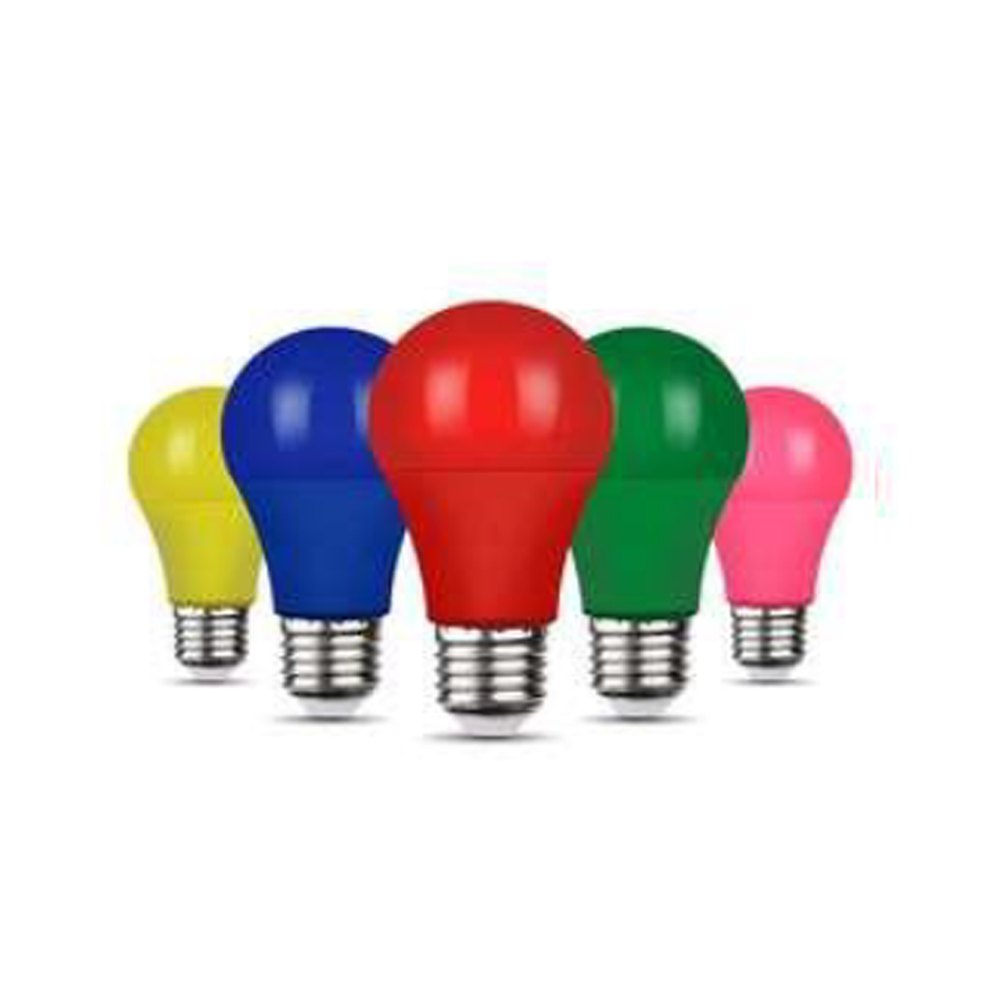
Festive string lights and coloured bulbs: safety rules
String lights work a few weeks a year and spend the rest squashed in a box. Practical safety rules for choosing, checking, connecting and using them outdoors.
A loose bulb in its holder: why it flickers and heats up
A loose bulb is more than an annoyance: a poor contact can arc, overheat and melt the holder. How to find the cause and fix it.
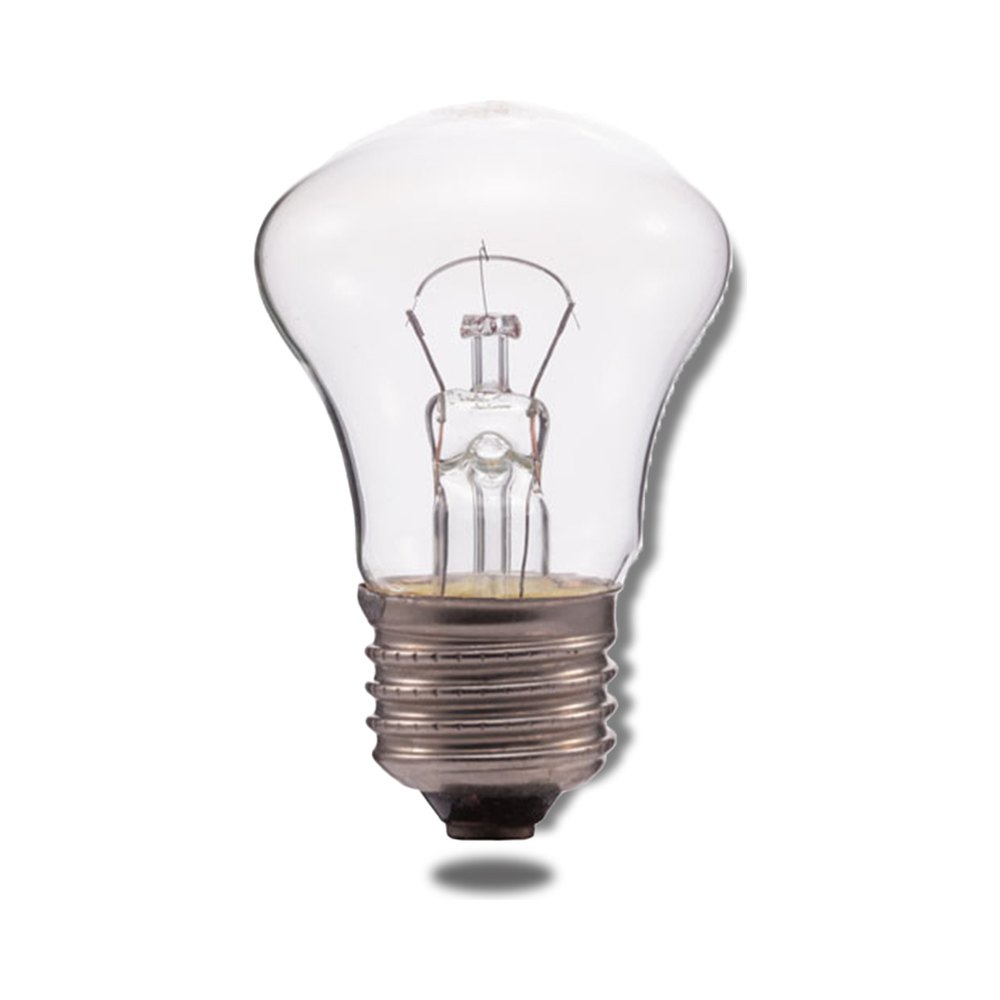
Why an incandescent bulb can burst when switched on
Why incandescent bulbs so often fail at the moment of switching on, why the glass sometimes bursts, and how to remove a broken bulb safely.
UV disinfection lamps are not ordinary light bulbs
A UV disinfection lamp can look like an ordinary bulb but is harmful to eyes and skin. How to recognise one and how it should be used.
Light fittings by the sea: salty air and corrosion
Salty coastal air can ruin an ordinary outdoor fitting within a few seasons. A practical guide to materials, coatings, fixings and maintenance.
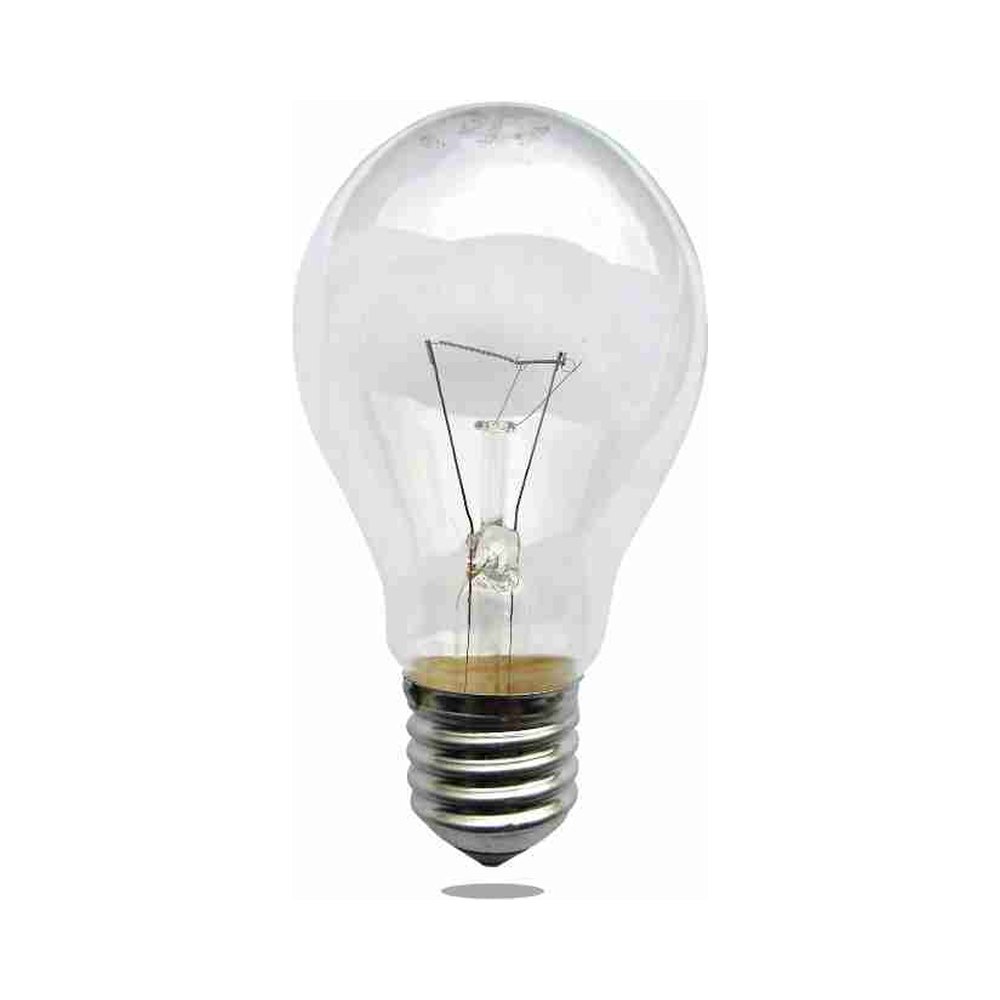
Replacing incandescent bulbs with LED: what to look for
Swapping an incandescent bulb for LED looks simple, but the wrong choice of brightness, cap, shape, colour or dimmer compatibility leads to disappointment. A step-by-step guide.
Swapping halogen spotlights for LED: compatibility checks
Replacing halogen spots with LED can bring surprises from transformers, caps, recess depth and beam angle. Compatibility checks for GU10 and GU5.3 spots.
Replacing fluorescent tubes with LED tubes: wiring and steps
There are three ways to put LED tubes into a fluorescent fitting: ballast-compatible, ballast-bypass and hybrid tubes. Which to choose and the order of work.
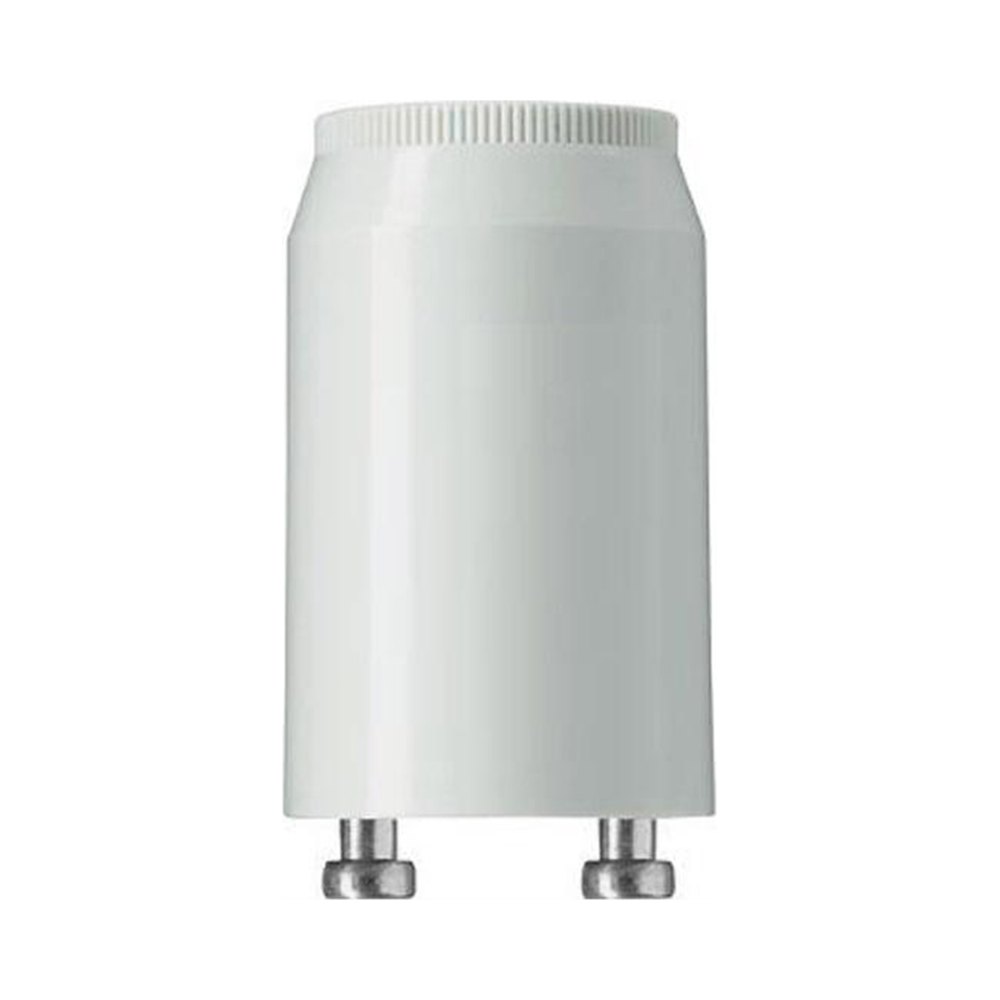
What a starter does and whether LED tubes need one
A starter is the small cylinder that ignites a fluorescent tube. How it works, how to tell when it has failed, and what happens to it when you switch to LED tubes.