
Emergency lighting and escape routes: the basics
When the power fails, emergency lighting and exit signs let people leave a building safely. The types, how they work and why regular testing matters.
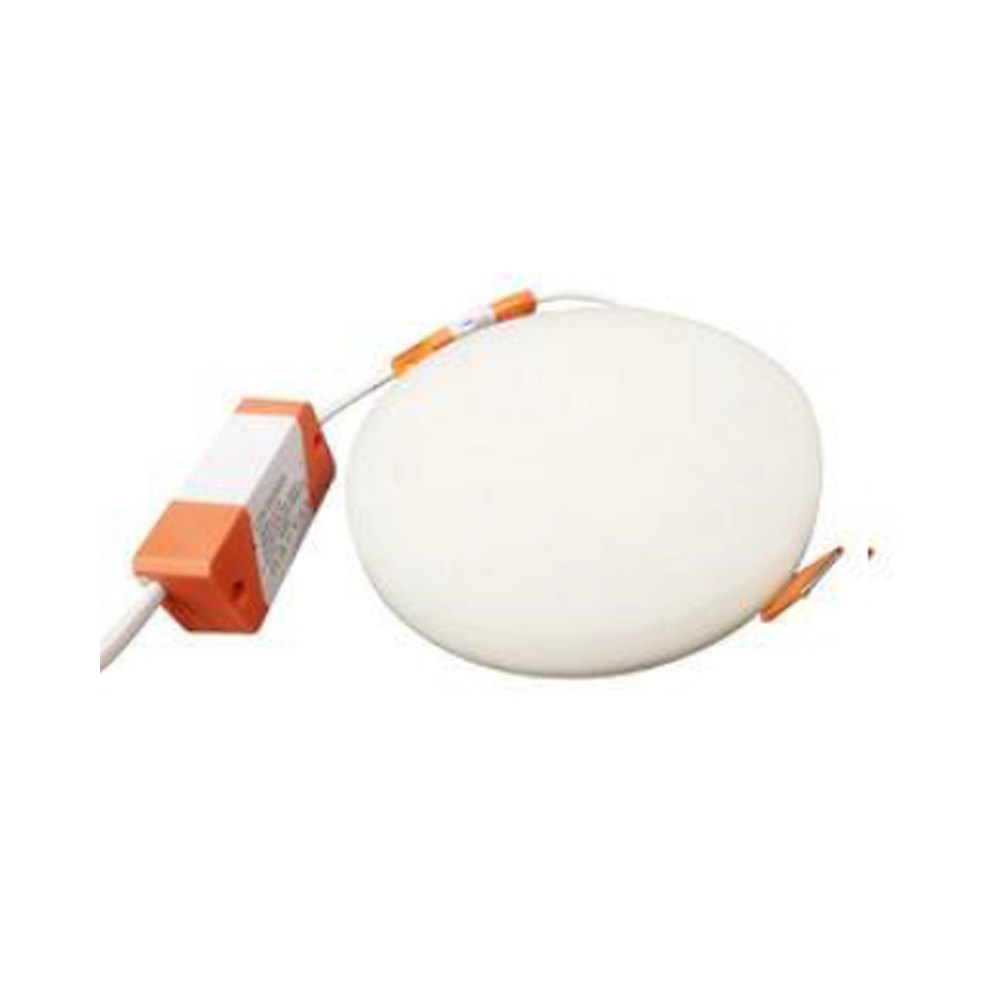
The power suddenly goes off in an office building, a shopping centre or the stairwell of a block of flats. Windowless corridors and stairs are instantly plunged into total darkness. In moments like this, whether people can leave calmly and safely depends on emergency lighting. The system usually goes unnoticed in daily life, but it has to work at the one moment it is needed.
Types of emergency lighting
Emergency lighting serves several purposes, and European practice (standard EN 1838) divides it as follows:
- Escape route lighting. Corridors, stairs and passages to the exits are lit well enough for people to move without tripping over obstacles.
- Open area, or anti-panic, lighting. In large halls, lobbies and open-plan offices it keeps people from becoming disoriented and helps them reach an escape route.
- High-risk task area lighting. Light that allows a worker next to running machinery or a hazardous process to shut it down safely.
- Safety signs. Internally lit pictograms showing the way out: a running figure, an arrow and a door on a green background.
Light points are also provided near exit doors, firefighting equipment, first aid points and changes of level on stairs.
How it works: maintained and non-maintained
An emergency luminaire usually has its own battery or is connected to a central battery system in the building.
A non-maintained luminaire stays off in normal conditions, keeps its battery charged and lights up only when the mains fails. These are installed alongside normal lighting in corridors and stairwells.
A maintained luminaire is always on and carries on running from its battery when the mains fails. This mode is chosen for exit signs, auditoriums and places where people may be in the dark.
Some ordinary light fittings are also equipped with a built-in emergency pack: when the mains fails, the same fitting runs from the battery at reduced output. It is a convenient way to get emergency light without installing a separate fitting.
How much light, and for how long
Emergency lighting is not as bright as normal lighting; its purpose is to show the way and the exit. EN 1838 also sets minimum lux levels for escape routes and open areas, and backup lights are normally expected to run for at least an hour. Depending on the type of building and its risk, a longer duration may be required.
In Azerbaijan, projects are prepared under local fire safety and building regulations. Which requirements apply to a particular building is determined by the designer and the relevant fire safety authority. The concepts in this article are for general guidance.
Placement: where luminaires are needed
Emergency luminaires are placed according to points of risk, not at random:
- next to every exit door and wherever the escape route changes direction;
- on stairs, so that each flight receives direct light;
- at changes of level, such as a single step or a ramp;
- at corridor intersections;
- near fire extinguishers, fire alarm call points and first aid kits;
- outside the final exit, up to a place of safety.
Exit signs should be positioned so that at least one is visible from any point along the escape route.
Regular testing: the most neglected part
The biggest problem with emergency luminaires is that a fault goes unnoticed in daily life. Batteries lose capacity over the years and lamps or drivers fail, but this only comes to light when the power goes off.
That is why European practice (EN 50172) calls for regular testing: a short functional test about once a month and a full-duration test once a year, with results recorded in a logbook. Some luminaires have an automatic self-test function that runs tests periodically and reports faults with an indicator light.
During a test, check that the luminaire lights when the mains is cut, that it runs for the required time, that signs are clean and legible, and that the charge indicator shows normal status.
For small buildings and homes
A private house or small office may have no formal requirement for emergency lighting, but the logic is the same. A rechargeable night light by the stairs, a lamp in the hallway that comes on automatically when the power fails, and a torch within reach all reduce the risk of falls and injuries during a power cut.
Zəfər İşığı lamps are for everyday general lighting and are not an emergency lighting system. An emergency lighting system in a building, on the other hand, requires certified dedicated luminaires and a proper design.
All news