
Old wiring and a multi-bulb chandelier
In an older building, the cables, junction boxes and hook in the ceiling may not be ready for a heavy new chandelier. What to check first and what LED changes.
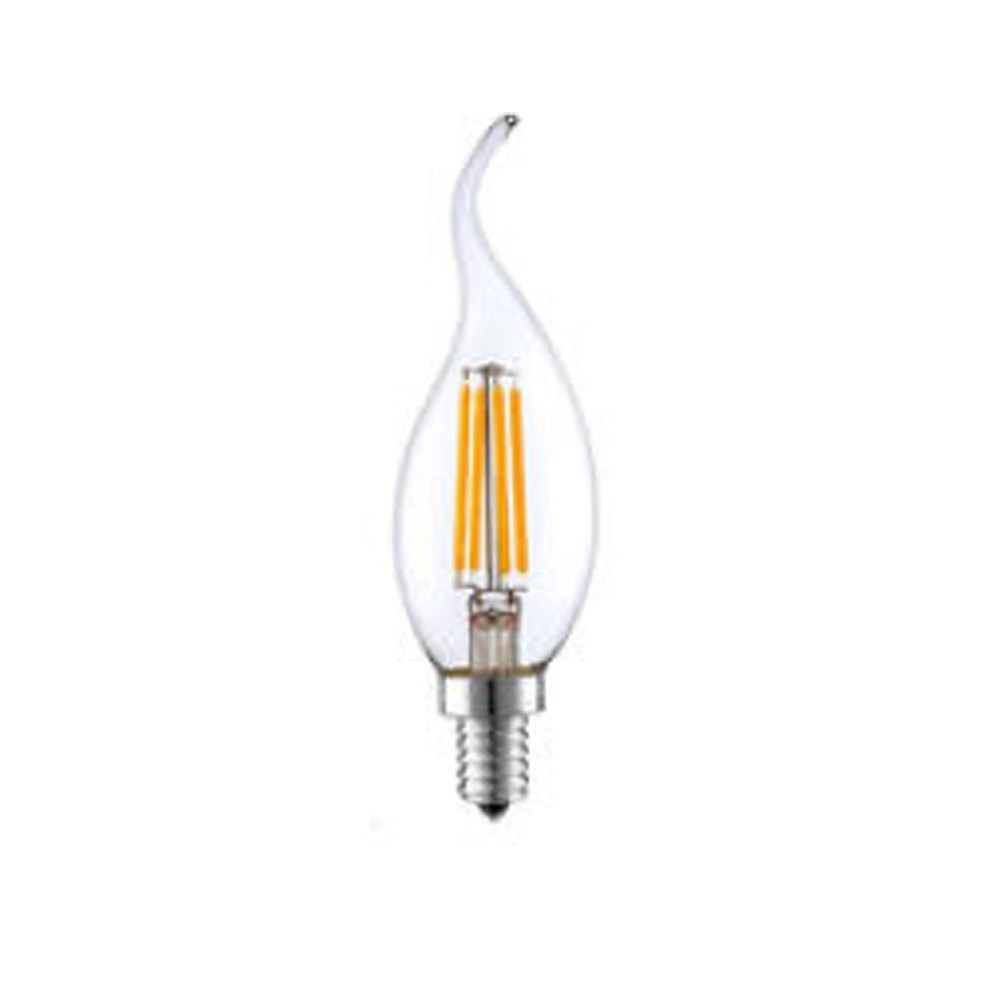
The renovation of an older flat is finished and a new chandelier has been bought: eight arms, a candle bulb on each, some crystal drops. In the ceiling, two wires installed decades ago and a rusty hook are waiting. This situation needs attention from both an electrical and a mechanical point of view. When a multi-bulb chandelier is connected to old wiring, problems often show up not immediately but months later, as a blackened contact, melted insulation or flickering light.
Typical weak points of old wiring
Lighting circuits in older buildings tend to share several problems:
- Aluminium conductors. Aluminium is more brittle than copper, oxidises at clamped contacts over time and creeps, meaning it loosens under a screw. Every time the wire is bent, the risk of it breaking grows.
- Aged insulation. Insulation that has spent years inside a ceiling, especially under the heat of incandescent bulbs, hardens, cracks and crumbles when touched.
- No earth conductor. Old installations often have only two wires. If a metal-bodied chandelier requires earthing, that has to be solved separately.
- Joints wrapped in tape, wires simply twisted together, and junction boxes hidden inside the ceiling.
- A switch that breaks the neutral instead of the live. In that case the lampholders remain live even when the chandelier is off, and changing a bulb becomes dangerous.
Load: many bulbs, more current
The total power of a chandelier is the sum of its bulbs. With old-style incandescent bulbs, an eight-arm chandelier draws considerable power, and that current flows through thin, aged wiring in the ceiling. Wherever a contact is weak, in a junction box, a terminal block or the chandelier's own connection, heat builds up.
That heat gradually makes the contact worse: oxidation increases, resistance rises and heating grows. Eventually the insulation melts or chars. This process can continue unseen for years.
LED bulbs cut this load sharply. For the same light, the total power of LED bulbs is several times lower than that of incandescent ones, and the current in the circuit falls accordingly. If a multi-bulb chandelier is going onto old wiring, choosing LED bulbs is one of the simplest and most effective safety steps.
But LED does not solve every problem of old wiring. Cracked insulation, a loose contact and a twisted joint remain dangerous even under a light load.
Mechanical load: the hook and the ceiling
A chandelier is also a physical load. Models with crystal and metal arms can be very heavy. In older buildings the ceiling hook is usually set into the concrete slab, but its condition is unknown: it may be rusty, loose or held only in a thin layer of plaster.
Before hanging the chandelier, test the hook: pull it down firmly by hand, and there should be no movement or crumbling. If in doubt, a new fixing point with a concrete anchor or the mounting plate supplied with the chandelier is more reliable. In a stretch or plasterboard ceiling, a heavy chandelier must be fixed to the structural ceiling behind it.
Checklist before hanging
- Switch off the lighting circuit breaker at the consumer unit and confirm there is no voltage with a tester.
- Check what the ceiling wires are made of and the condition of their insulation.
- Check that the switch breaks the live conductor.
- Find the junction box and look for signs of blackening or melting.
- Check the instructions to see whether the chandelier requires earthing.
- Make sure the hook or fixing point can carry the weight.
- Check the maximum wattage permitted for each lampholder and choose LED bulbs.
If the wires are aluminium, the insulation crumbles or there are scorch marks, hand the job over to an electrician. Aluminium and copper wires must never be twisted together directly; special terminal blocks are used for that.
A possible long-term solution
If old wiring problems keep recurring at home, with warm sockets, breakers that trip often or flickering lights, this is not just about one chandelier. In such cases it is worth having the flat's wiring inspected as a whole and, if possible, renewed with copper. Doing this during a renovation is far easier than opening up the walls again later.
Zaferoğlu Elektrik's Zəfər İşığı catalogue includes E14 candle and filament bulbs for chandeliers, as well as the C37 candle bulb. When switching a multi-bulb chandelier to LED, using the same model on every arm keeps the light looking even.
All news