
News
GU10 vs GU5.3 spotlights: how to tell the bases apart
Two spotlights of the same size can run on completely different supplies. How to tell GU10 from GU5.3 by the pins, the voltage and the fitting itself.
G9 capsule lamps: where they are used and how to switch to LED
G9 is a small two-pin capsule with looped pins. Where you find it, why it runs so hot, and what to check when replacing it with an LED version.
G4 capsule bulbs and 12-volt lighting systems
G4 is a tiny capsule with thin straight pins that usually runs on 12 V. Where it is used, how it works with a transformer, and what goes wrong when switching to LED.
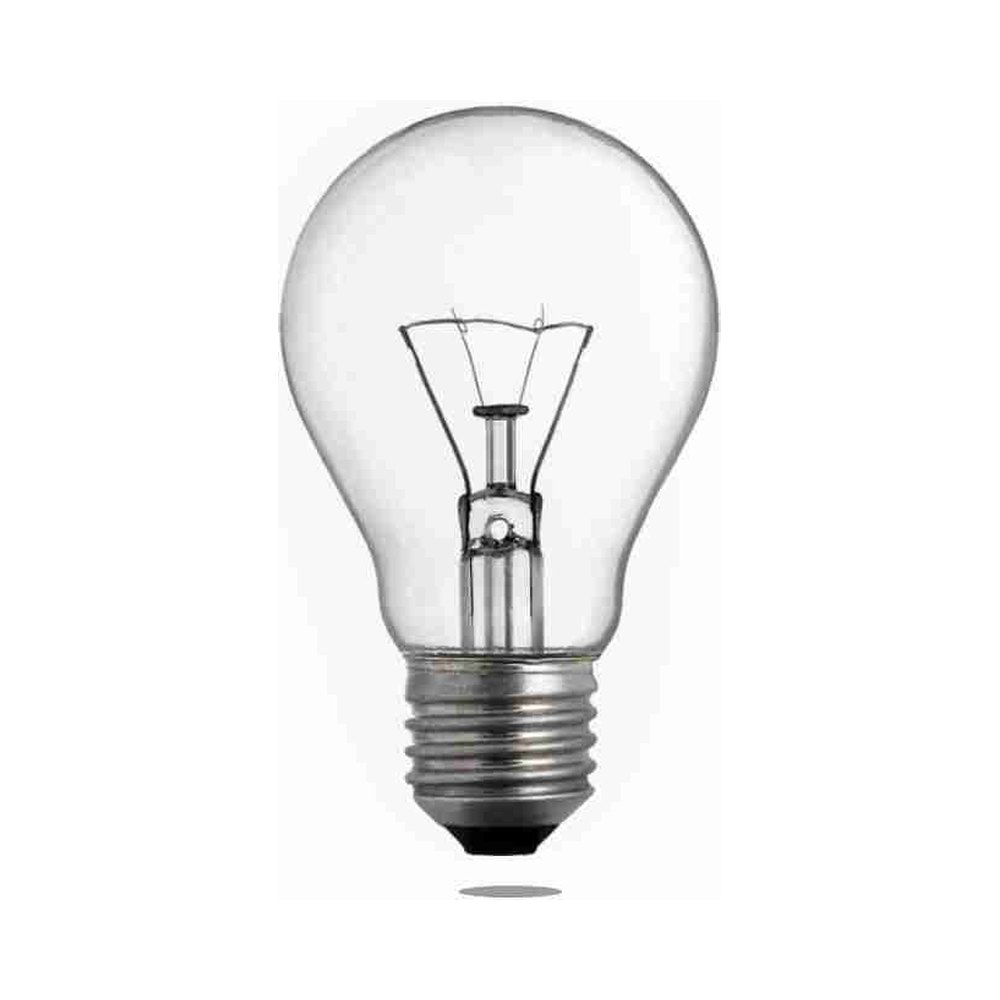
The large E40 cap: where it is used in street and industrial lighting
E40 is a screw cap roughly half as wide again as a household bulb. Why it is used for streets, warehouses and factories, and what matters when converting to LED.
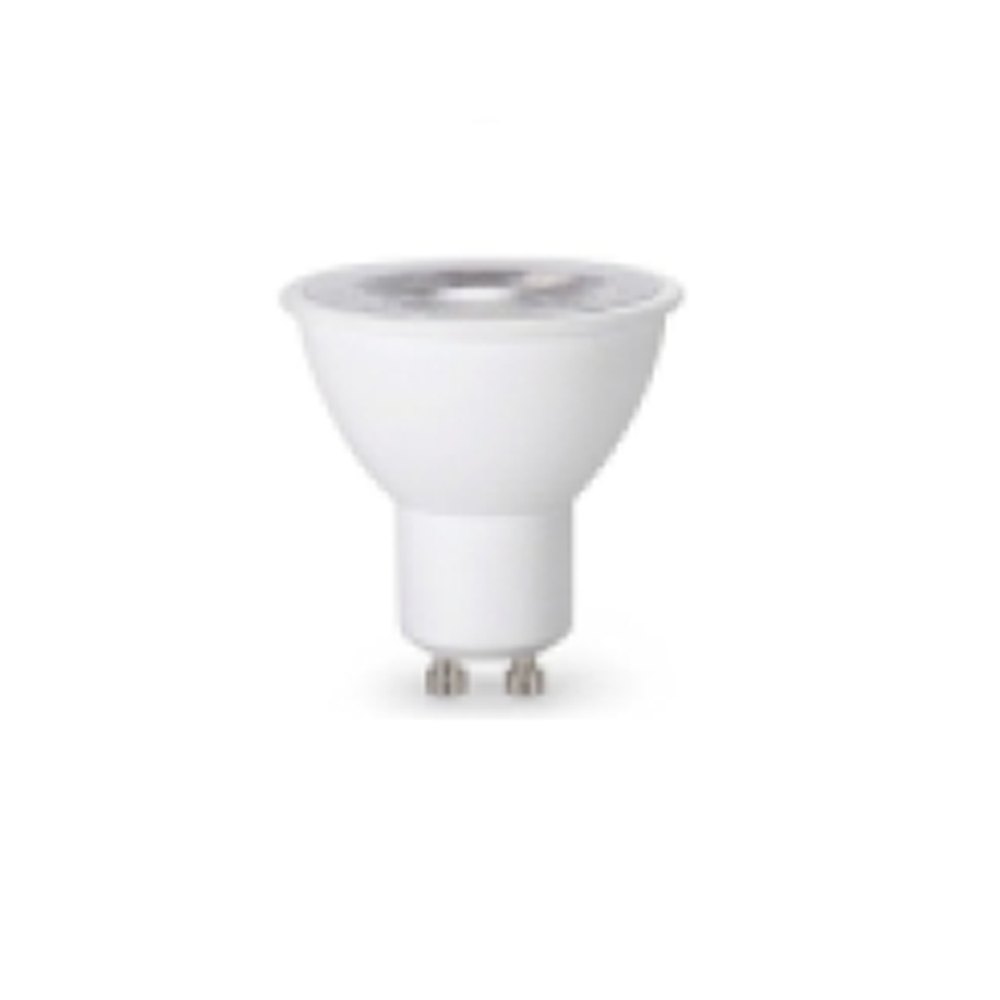
MR16 and GU5.3: are they two names for the same lamp?
MR16 describes the lamp shape, GU5.3 the base. Why the two terms get mixed up so often and how to read a spotlight pack correctly.
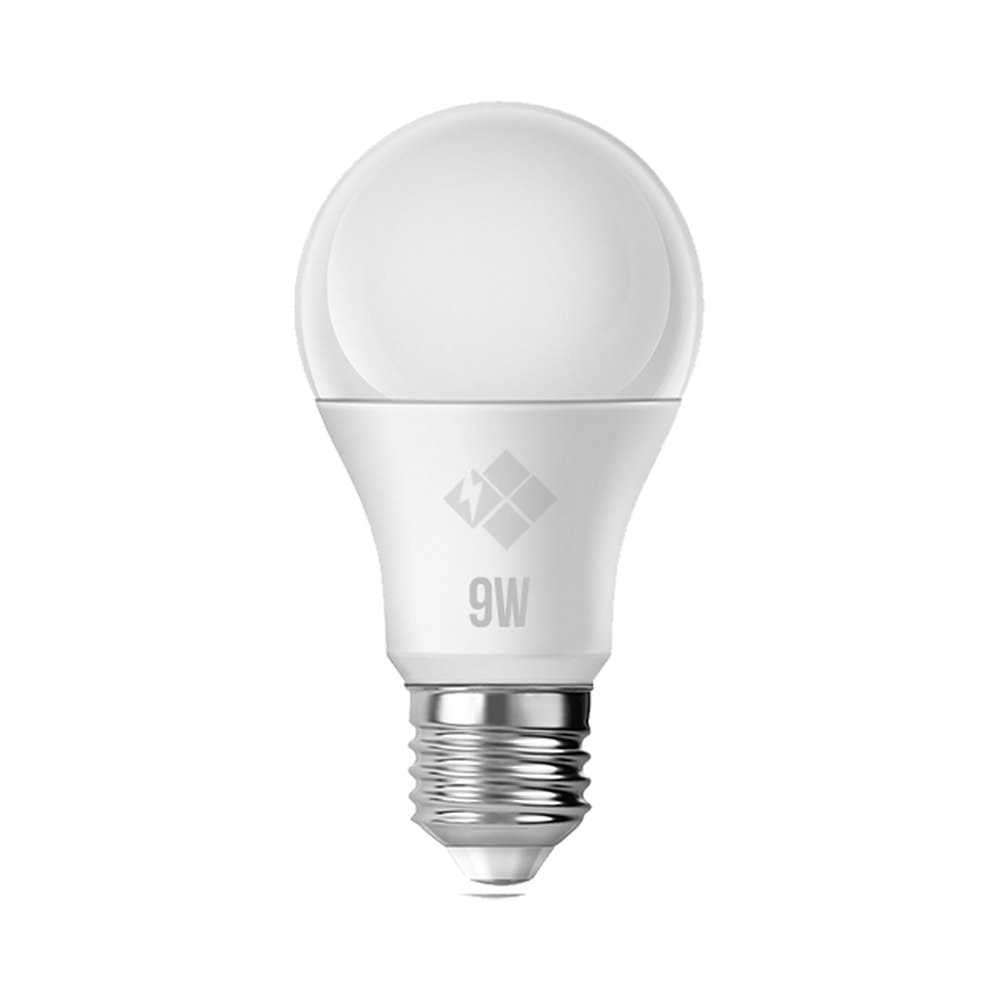
Bulb shape codes explained: A60, C37, G45 and T
Codes such as A60, C37 and G45 on the box tell you the shape and diameter of the bulb. What the letters and numbers mean and why they matter when you choose.
How to identify the cap of the bulb you are replacing
A step-by-step guide to pinning down the base of a dead bulb before you shop or order online: markings, measuring, pins and clues from the fitting itself.
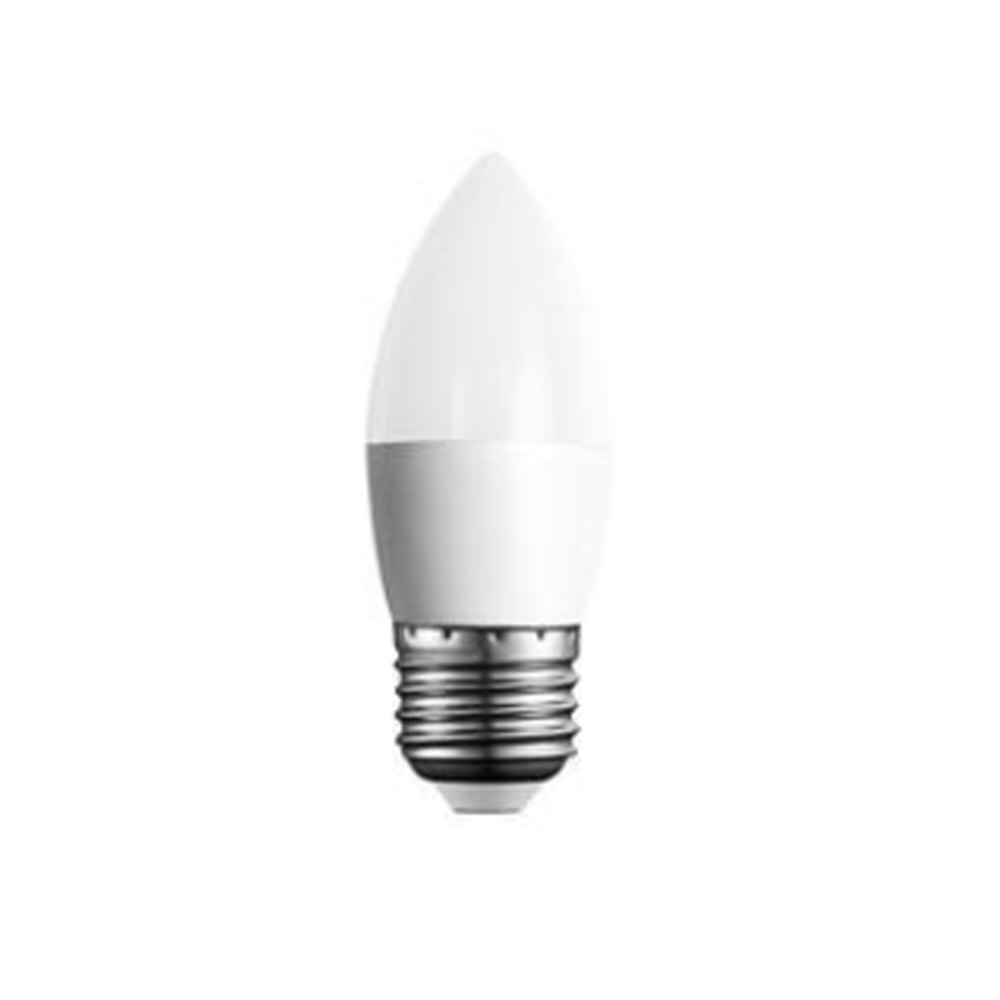
E14 to E27 adapters: when they are fine and when to avoid them
Cap adapters widen your choice of bulbs, but they are not safe in every fitting. When you can use one, and when you should simply buy the right bulb.
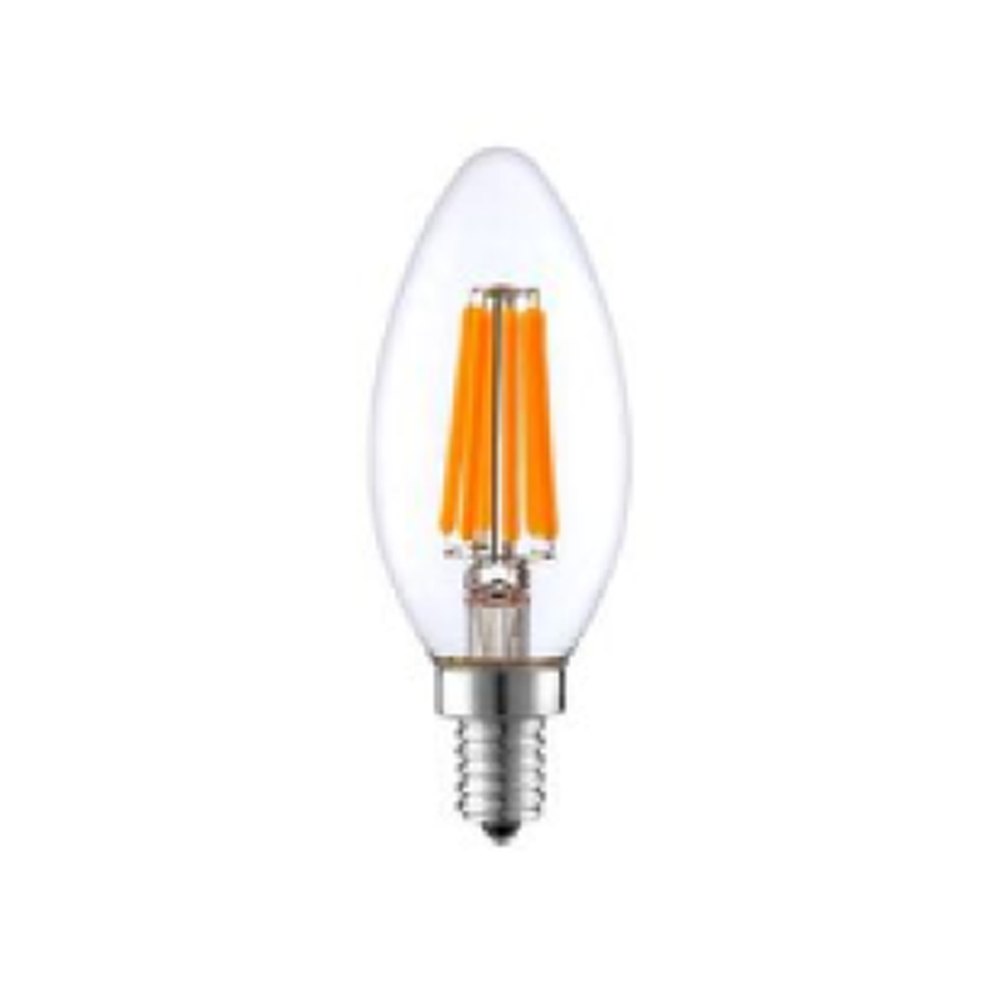
Choosing candle bulbs for a chandelier: shape, cap and light
In a chandelier the bulbs are both the light source and part of the décor. How to match candle bulb shape, cap, colour temperature and output.
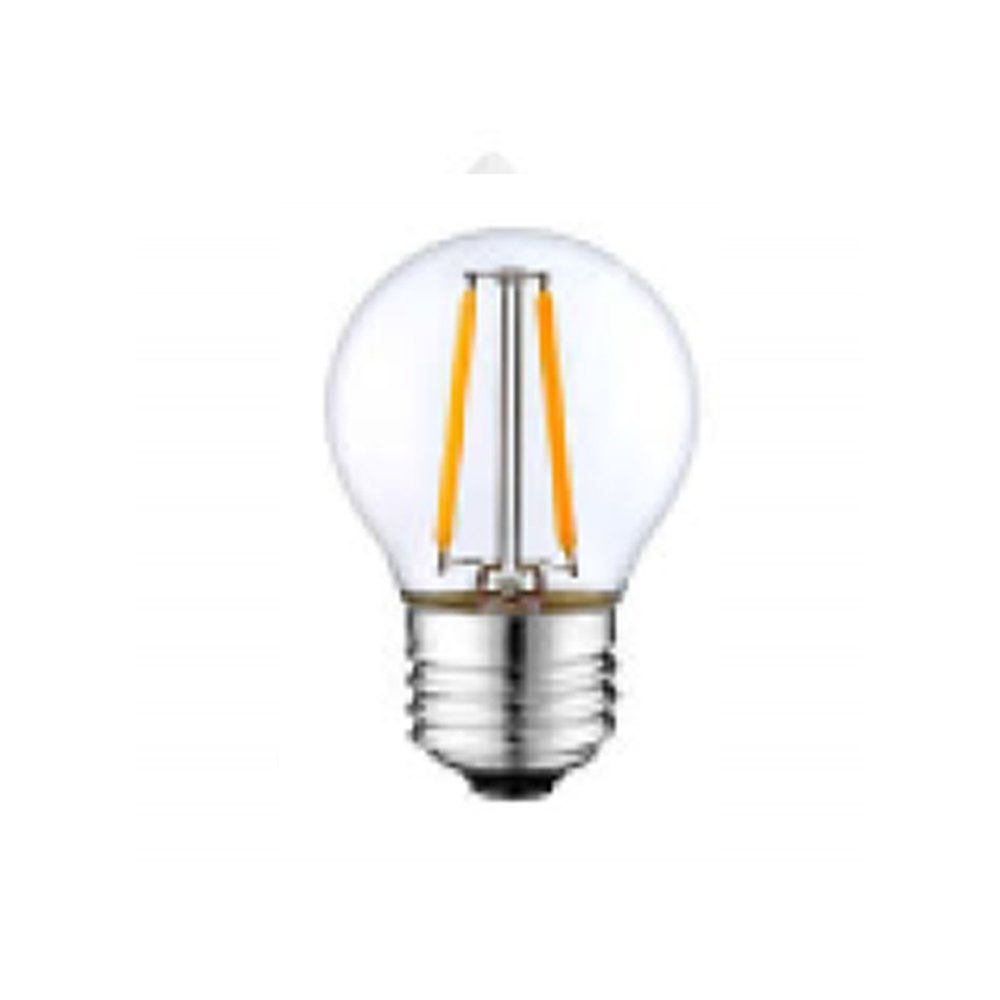
Small globe bulbs for wall lights and decorative shades
Small G45 and P45 globes fit narrow shades and look tidy in open fittings. Where they work best and what to check before buying.
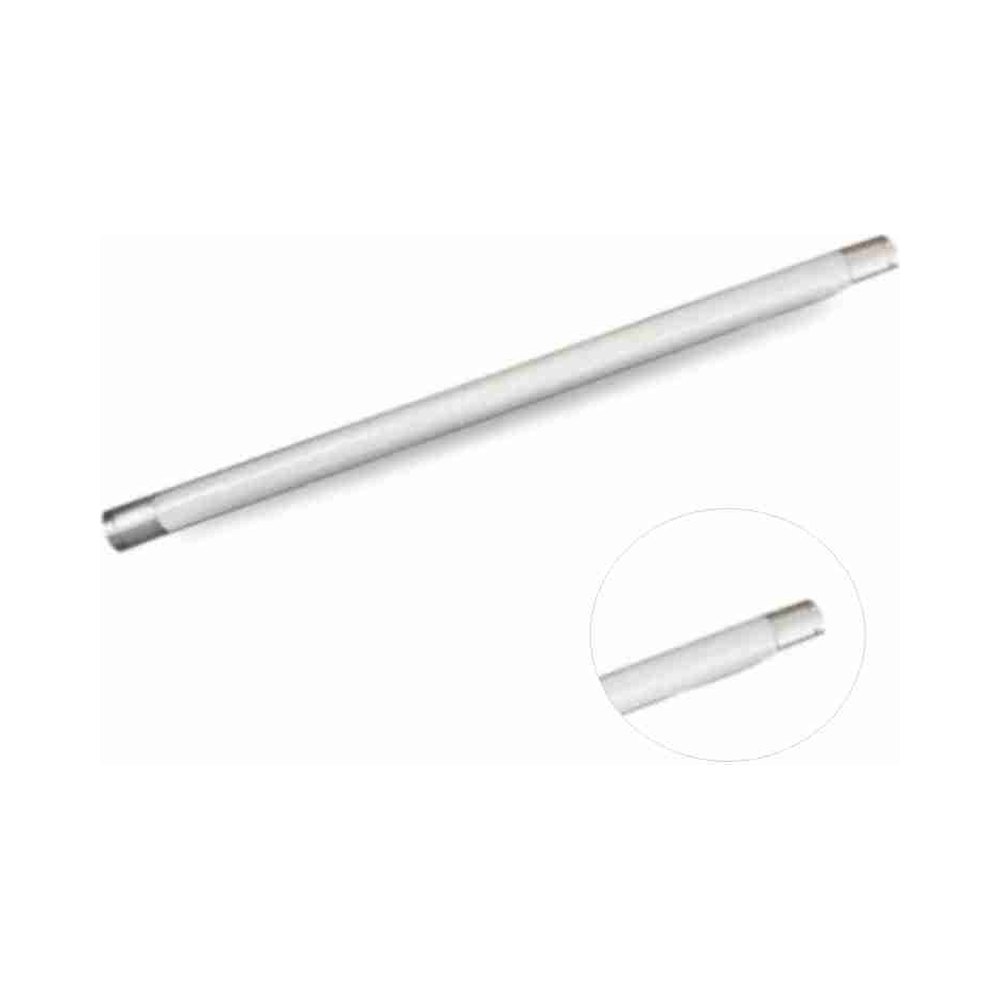
T8 tubes and the G13 base: how LED tubes fit in
What T8 means, how the G13 bi-pin base works, and why the wiring inside the fitting matters more than the tube when you switch to LED.
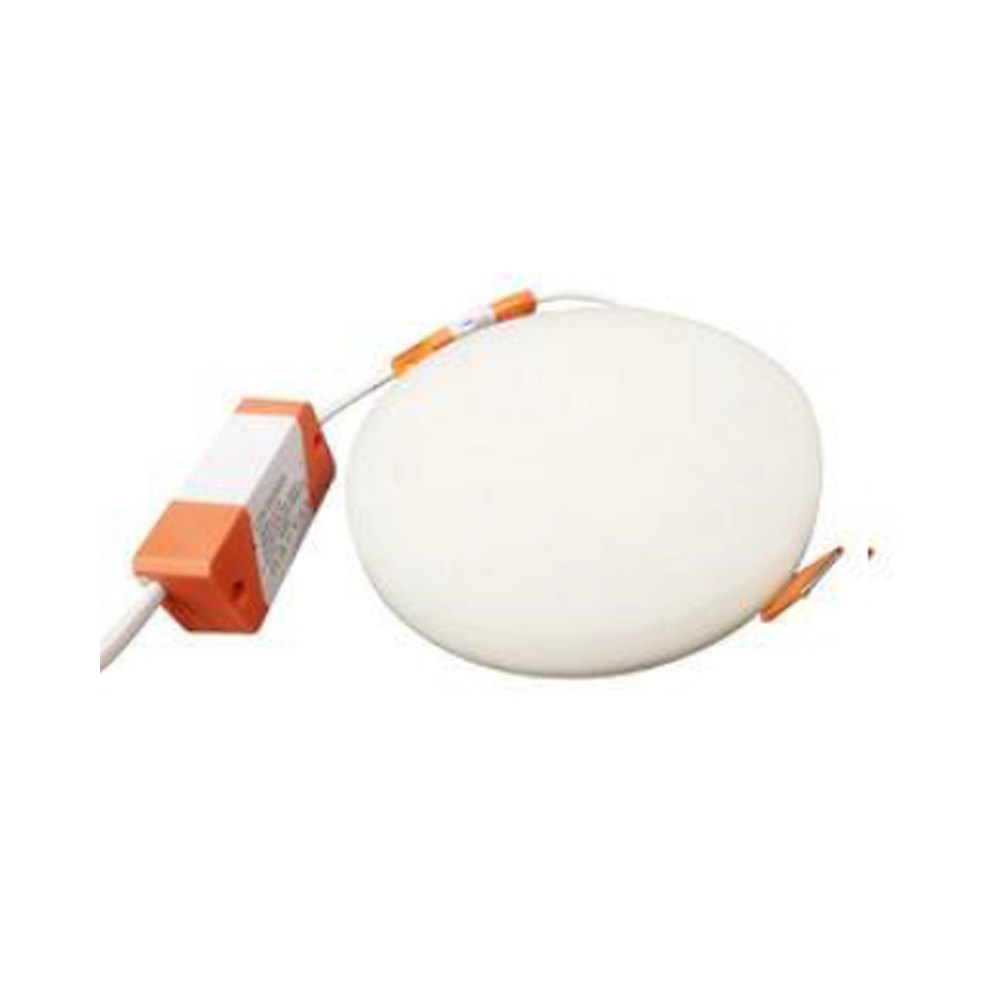
GX53 disc lamps: how they fit into suspended ceilings
How the flat GX53 disc lamp is built, what the recessed fitting looks like, and how to fit and remove the lamp without cracking it.
How to change a spotlight in a suspended ceiling
How GU10, GU5.3 and GX53 spotlights come out of the ceiling, how to deal with the retaining clip, and how to avoid damaging a stretch ceiling.
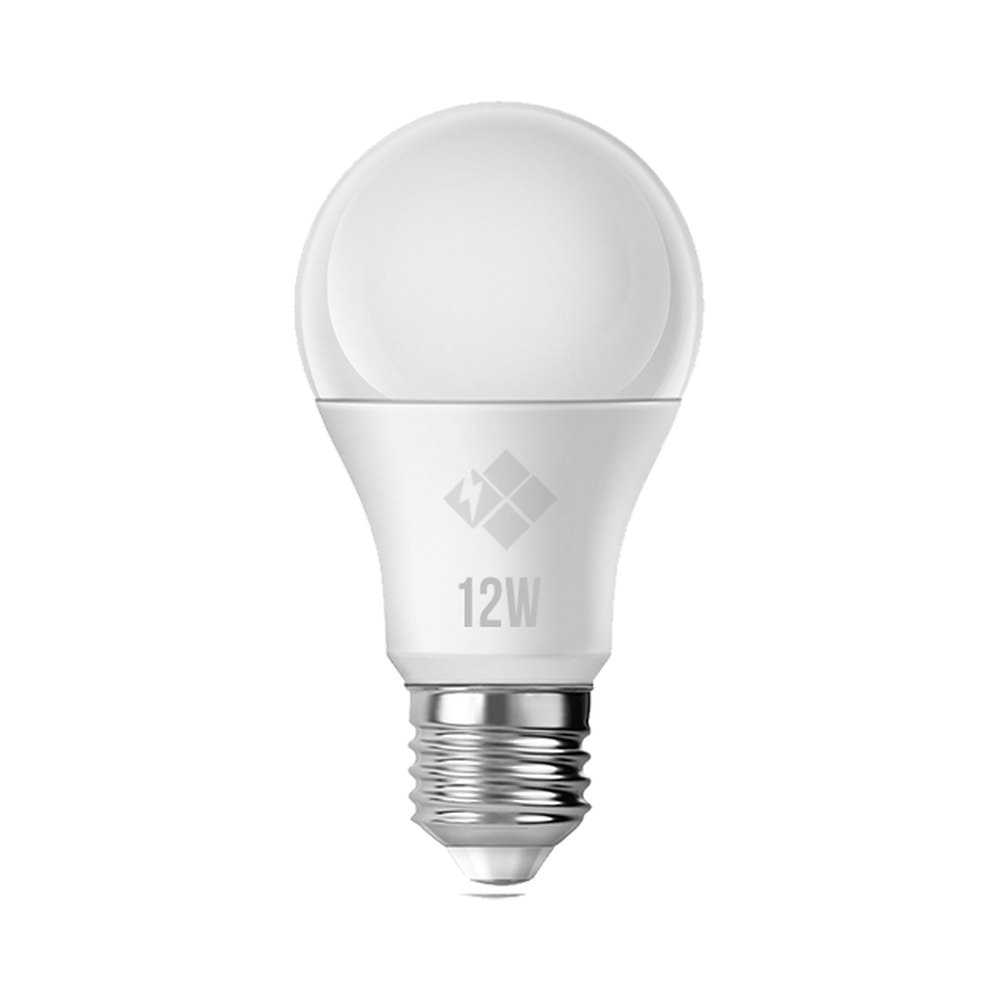
The new bulb does not fit the shade: size and shape checks
Why a new LED bulb may not fit an old glass shade, which dimensions to measure, and how to pick a shape that will go in.
Filament bulb shapes: candle, globe, pear and elongated
A guide to the main filament LED bulb shapes, their codes, and which one looks best in which kind of light fitting.
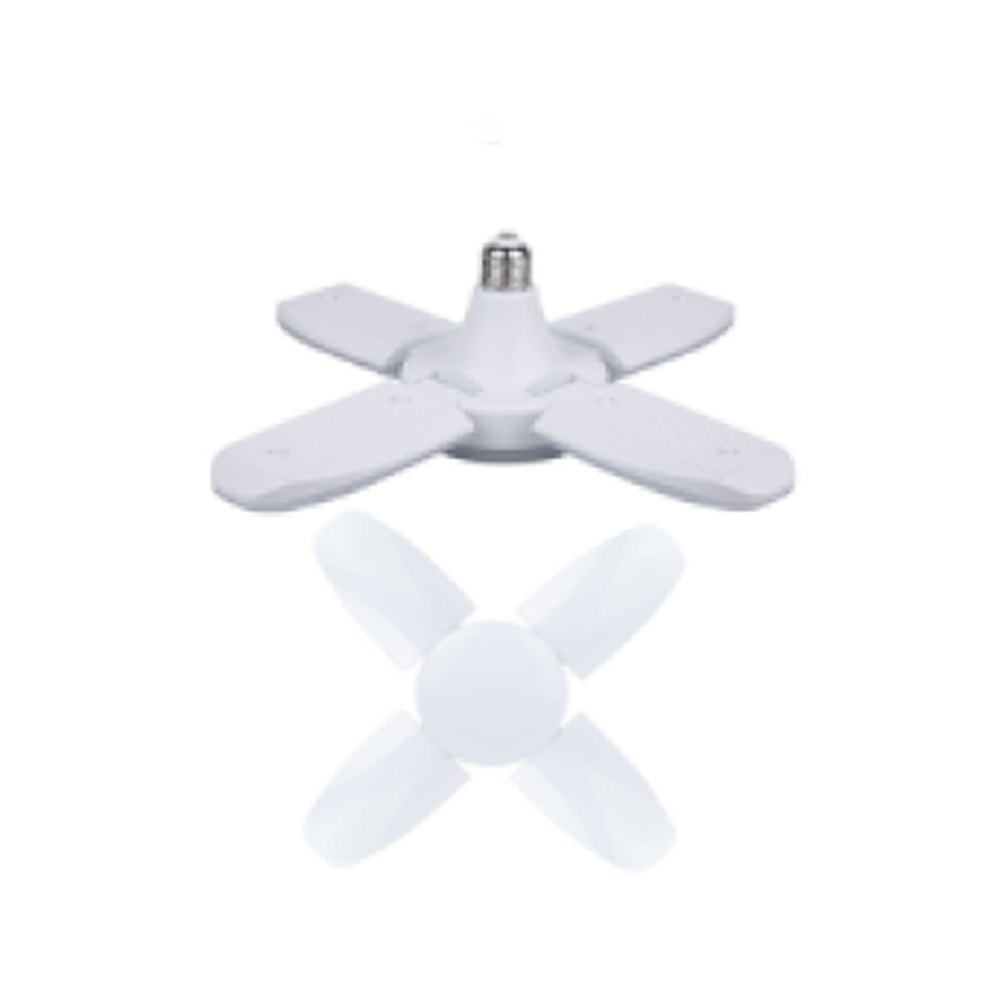
Large LED bulbs: can an E27 lampholder take the weight?
How the weight of high-output LED bulbs affects the lampholder, the cable and the fitting, and when extra precautions are needed.
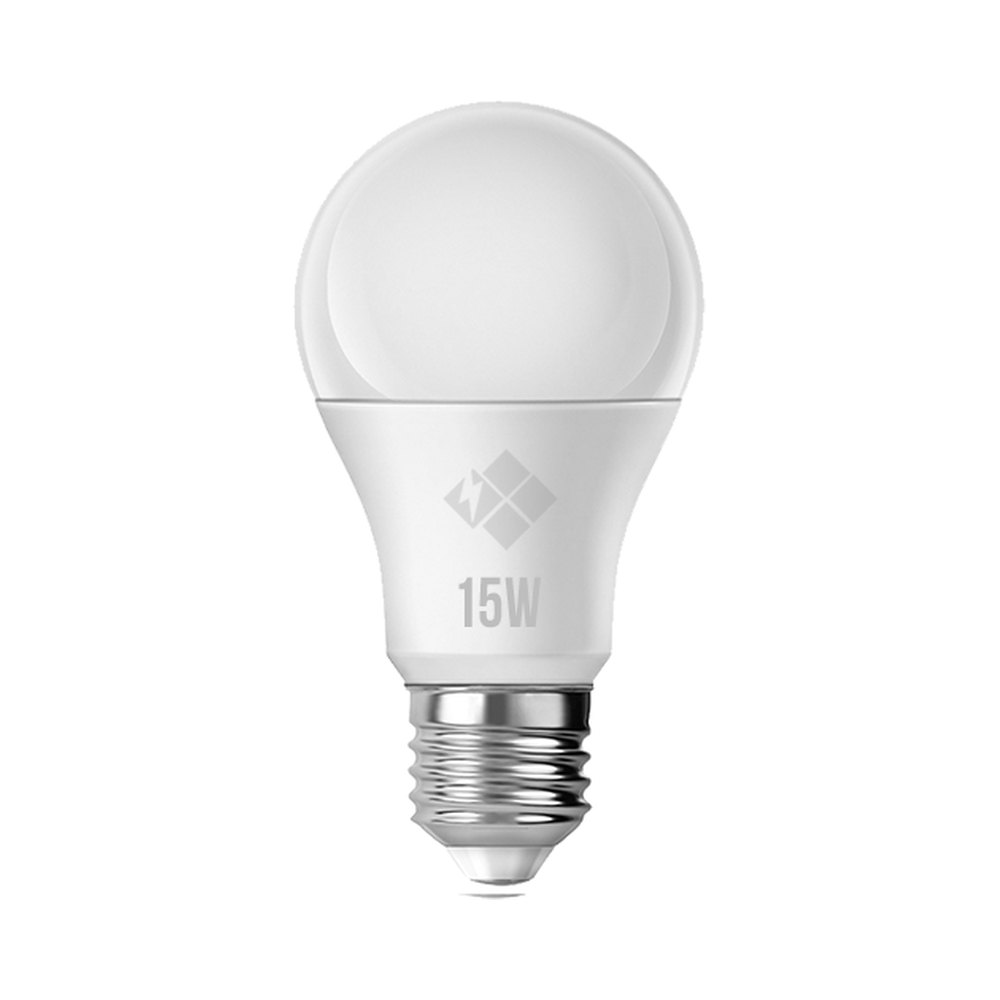
The B22 bayonet cap: what it is and how it differs from E27
How the B22 bayonet cap is built, where it is common, how it differs from the E27 screw cap, and what to do with a fitting brought from abroad.
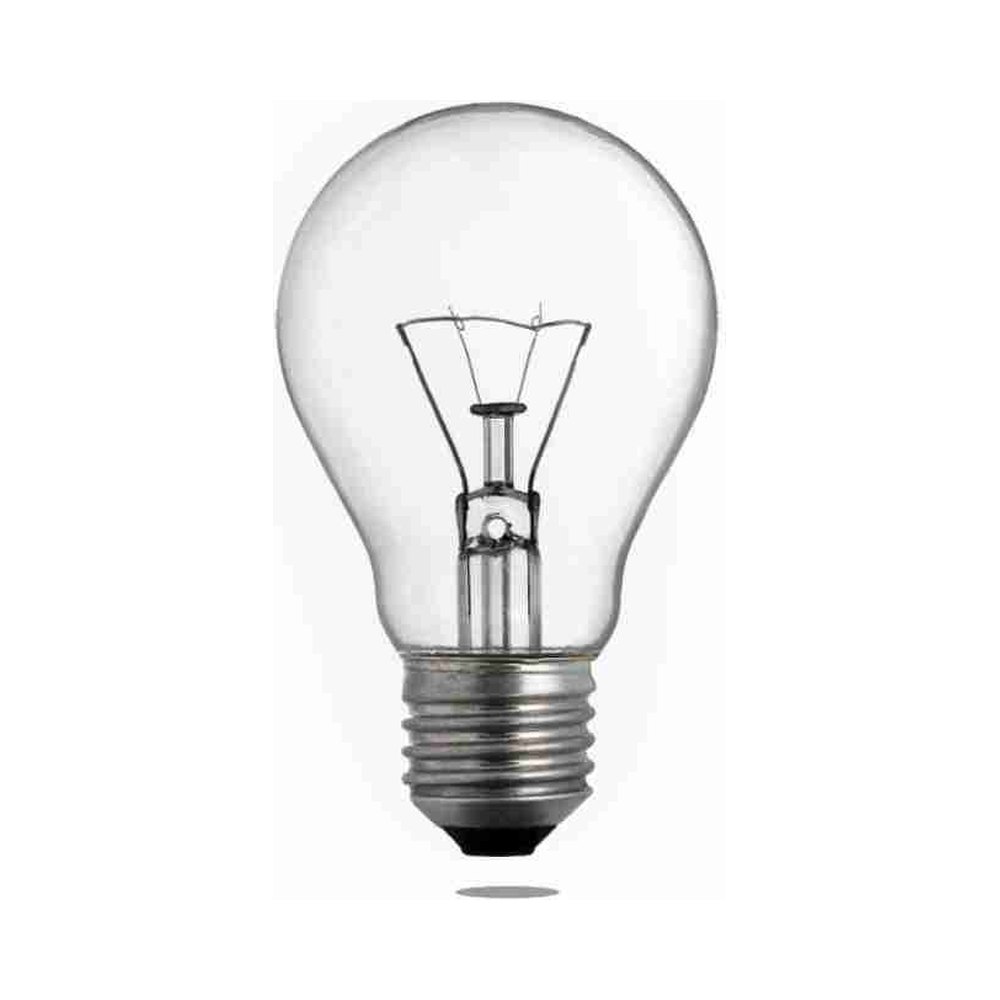
Ceramic vs plastic lampholders: which one to use where
How ceramic and plastic lampholders cope with heat, mechanical stress and damp, and which makes more sense where now that LED bulbs are standard.
Corn LED bulbs: their shape, light spread and best uses
How a corn-shaped LED bulb is built, how it spreads light all around, and which kinds of fittings it works best in.
R50 and R63 reflector bulbs: how they differ from spotlights
How R50, R63 and R80 reflector bulbs are built, their beam and caps, how they differ from GU10 and MR16 spotlights, and what to consider when choosing.
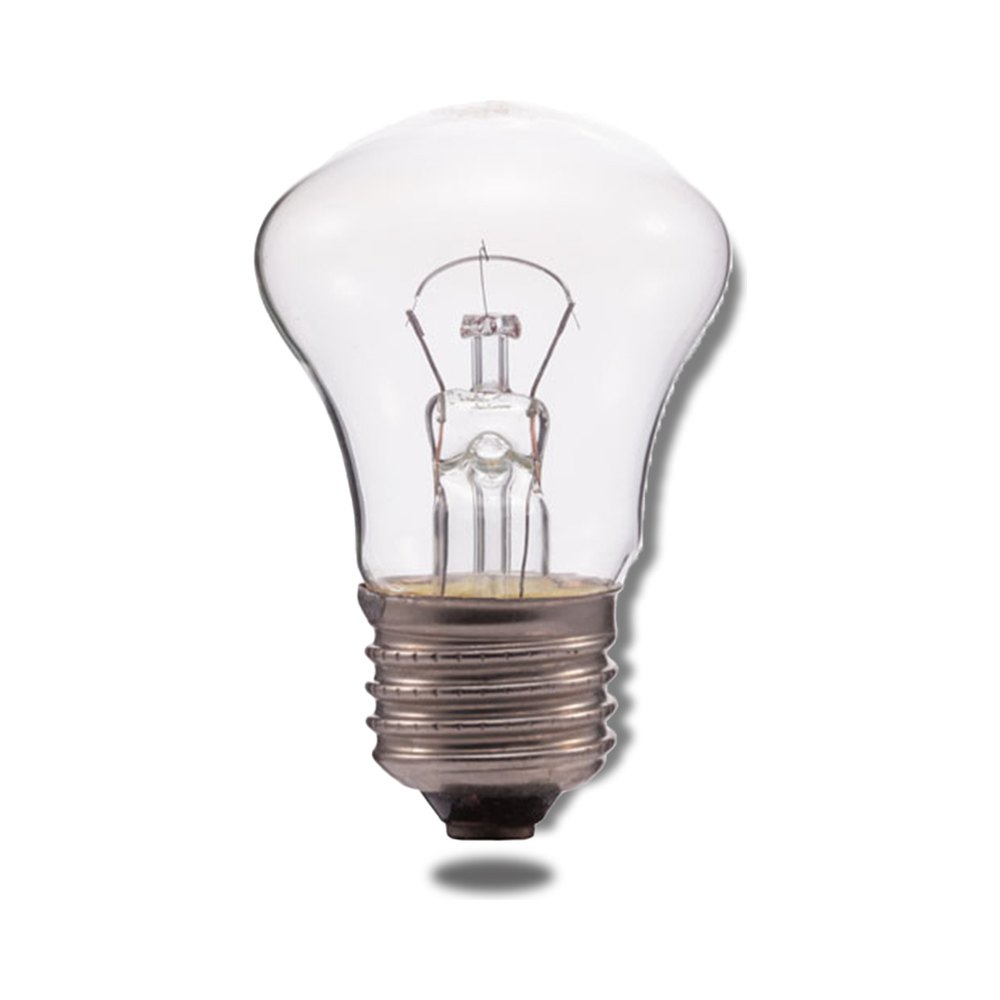
A bulb stuck in the socket: how to remove it safely
Step-by-step methods for removing a seized, corroded or broken bulb without getting a shock or damaging the light fitting.
Fridge and oven bulbs: why an ordinary lamp will not do
The conditions bulbs face inside fridges, ovens, cooker hoods and microwaves, and why an ordinary household bulb is the wrong replacement.
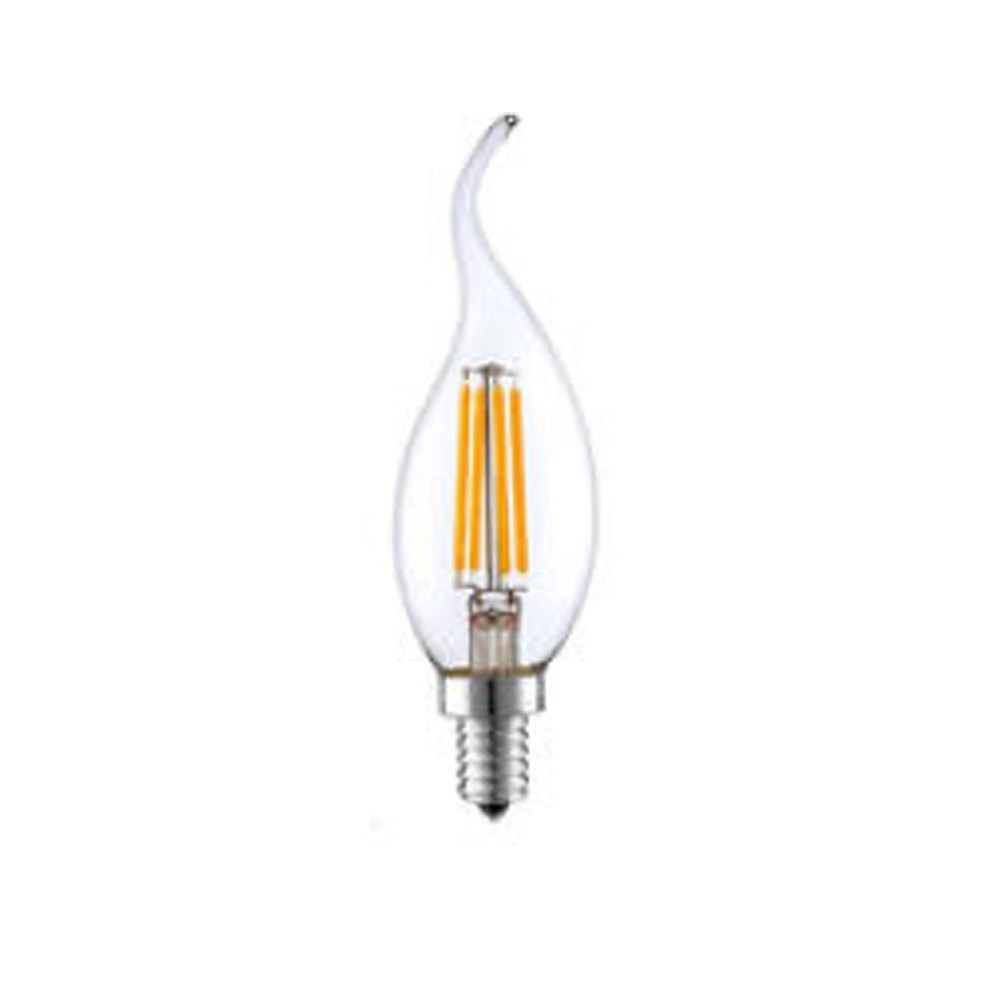
Bulbs for wall lights: choosing the cap and shape
What to look for when choosing a bulb for a wall light: the cap, the shape, which way the light goes and how to avoid glare.
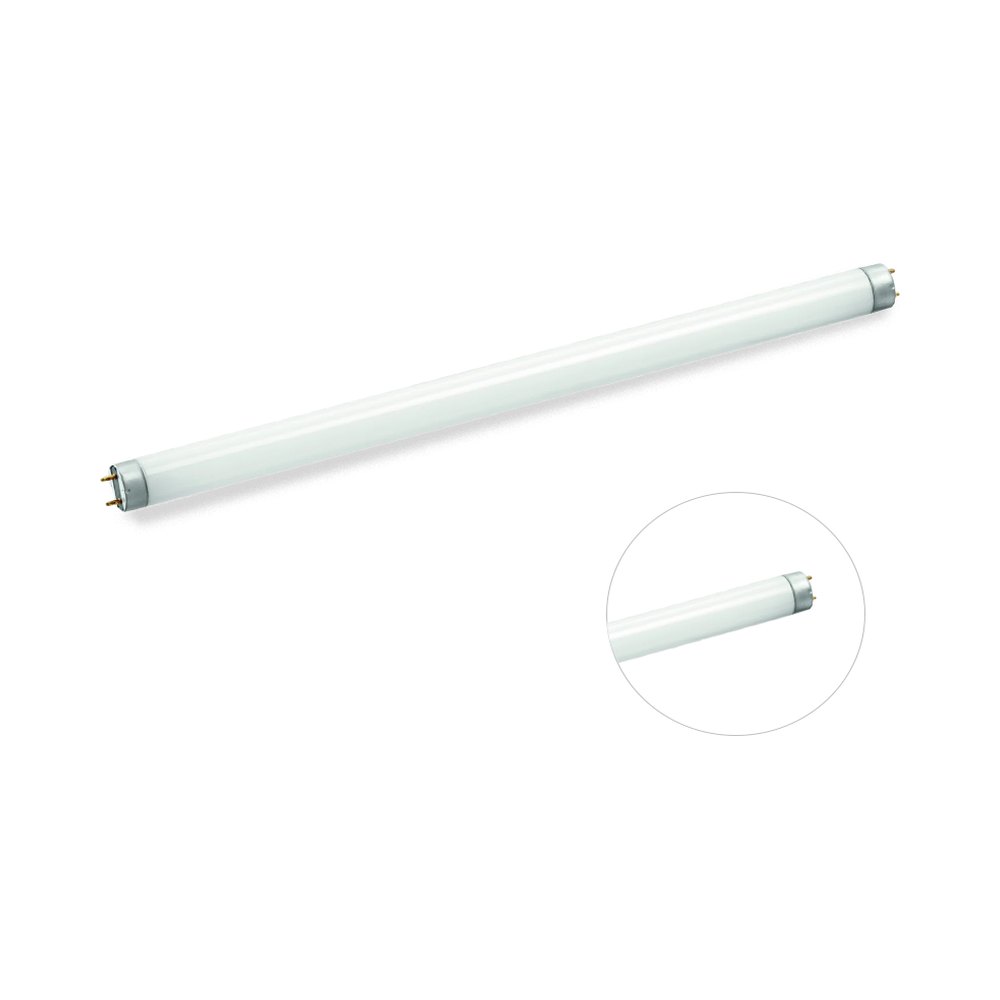
T5 vs T8 tubes: diameter, length and base differences
How T5 and T8 fluorescent and LED tubes differ in size, base and circuitry, why they are not interchangeable, and what to check before buying.