
Fridge and oven bulbs: why an ordinary lamp will not do
The conditions bulbs face inside fridges, ovens, cooker hoods and microwaves, and why an ordinary household bulb is the wrong replacement.
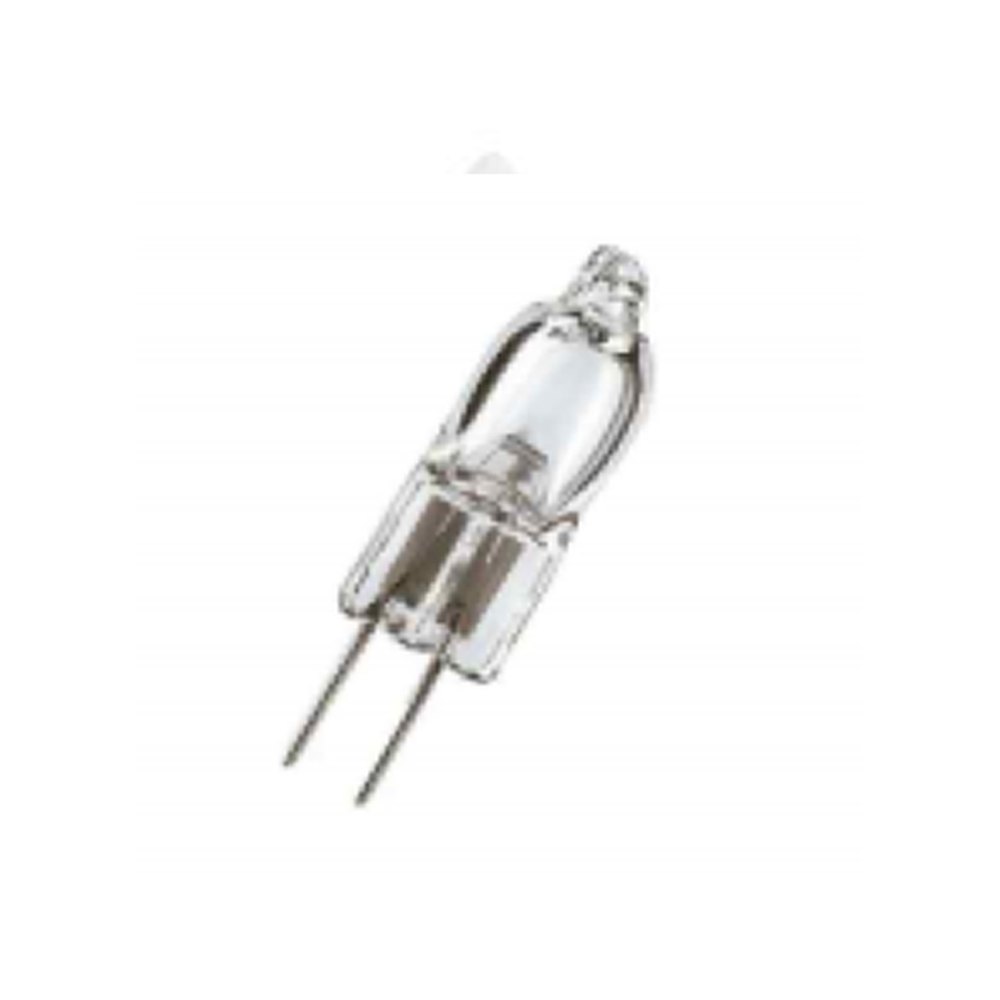
The light inside the fridge has gone, and there is a spare E14 bulb in the drawer. The obvious move is to fit it. People try the same when the oven light fails. Sometimes it works; sometimes the bulb dies within days, the glass cracks or a plastic part melts. The reason is that conditions inside appliances are very different from those in a room.
Inside the oven: high temperature
The bulb inside an electric or gas oven is exposed to the full heat of the cavity during cooking. An ordinary household bulb is not designed for that. The ordinary glass and cement of an incandescent bulb, or the driver, plastic body and diodes of an LED bulb, fail quickly in these conditions.
Oven bulbs are made specially:
- from heat-resistant glass, often as a small tube or capsule;
- with a joint between cap and glass that does not soften at high temperatures;
- usually with a small E14 screw cap or G9 pin base.
The box clearly states that the bulb is intended for ovens and the maximum temperature it withstands. If there is no such marking, the bulb does not go in an oven. The vast majority of ordinary LED bulbs are unsuitable, because their electronics cannot survive the heat.
The oven bulb sits behind a glass cover. Before changing it, the oven must be completely cool and disconnected from the power. The glass cover usually unscrews; do not lose the rubber or metal seal beneath it, or steam and grease will reach the bulb.
In the fridge: cold, damp and cramped
A fridge bulb faces the opposite conditions: low temperature, high humidity and condensation each time the door opens and closes. Cold itself is not a problem for LEDs, but moisture corrodes the contacts and the space for the light source is very tight.
Older fridges usually have a small E14 incandescent bulb. It produced a little heat, but because the door was only open briefly, that was not an issue. When replacing it, keep in mind:
- Size. The bulb must fit under the cover without stopping it from closing. Fridge bulbs are usually small tubes or small pear shapes.
- Moisture protection. The cover's seal must be intact.
- Colour. Neutral or cool white light shows the natural colour of food better.
If the fridge light does not come on, check the door switch before rushing to change the bulb. A small button or magnetic sensor at the edge of the door turns the light on when the door opens. If the button is stuck, dirty or broken, a new bulb will not light either. Open the door and press and release the button a few times with your finger. If the light sometimes flickers on and off, the problem is most likely the switch rather than the bulb, and the door switch should be replaced through a service centre.
Many modern fridges, however, have an LED module soldered to a circuit board instead of a bulb. Such a module is not changed like a bulb; it is replaced as a unit or by a service technician.
Cooker hoods and microwaves
A cooker hood light sits above the hob, constantly exposed to hot air, steam and grease particles. Hoods typically use E14 candle bulbs, G4 capsules or small spotlights. What matters is the cap type, whether it runs on 12 V or 220 V, and a cover that keeps greasy vapour out. When changing the bulb, removing and degreasing the filters both improves the light and extends the bulb's life.
A microwave light is outside the cooking cavity, behind a metal screen, and changing it means opening the casing. A microwave contains a capacitor that can hold a dangerous charge even after the appliance is unplugged. That job belongs to a service technician only.
General rules when changing appliance bulbs
- Unplug the appliance; switching it off with the button is not enough.
- Let ovens and hoods cool completely.
- Take the old bulb to the shop, or photograph its cap and body.
- Follow the bulb type and wattage given in the appliance manual.
- Do not touch the glass of an oven bulb with bare fingers; use a cloth or glove.
- Seat covers and seals fully back in place.
Zaferoğlu Elektrik makes LED bulbs for general lighting in homes and businesses at its plant in Ganja. For appliances with special conditions, such as ovens, always use the bulb type recommended by the appliance manufacturer.
All news