Bulbs for wall lights: choosing the cap and shape
What to look for when choosing a bulb for a wall light: the cap, the shape, which way the light goes and how to avoid glare.
A wall light is rarely the main light in a room, but it is the fitting most often in your line of sight. It sits near head height by the bed, beside the sofa, in a hallway or next to a mirror. A small mistake that goes unnoticed in a ceiling light, such as an overly bright bulb, the wrong shape or cold light, is immediately obvious here. That is why choosing a bulb for a wall light needs more care than for a ceiling fitting.
Start with the cap
Three caps are most common in wall lights:
- E14. Found in most classic wall lights, especially models with candle or small globe bulbs.
- E27. Used in larger shaded or simply designed wall fittings.
- G9. Found in modern, compact wall lights with glass or metal covers, using a small capsule bulb.
You can identify the cap from the fitting's box, the marking on the lampholder or the cap of the old bulb. The maximum wattage marked "max" beside the holder refers to incandescent bulbs; an LED bulb uses far less power, but heat is still an issue under a closed cover.
Is the fitting open or covered?
The design of the wall light determines the bulb shape.
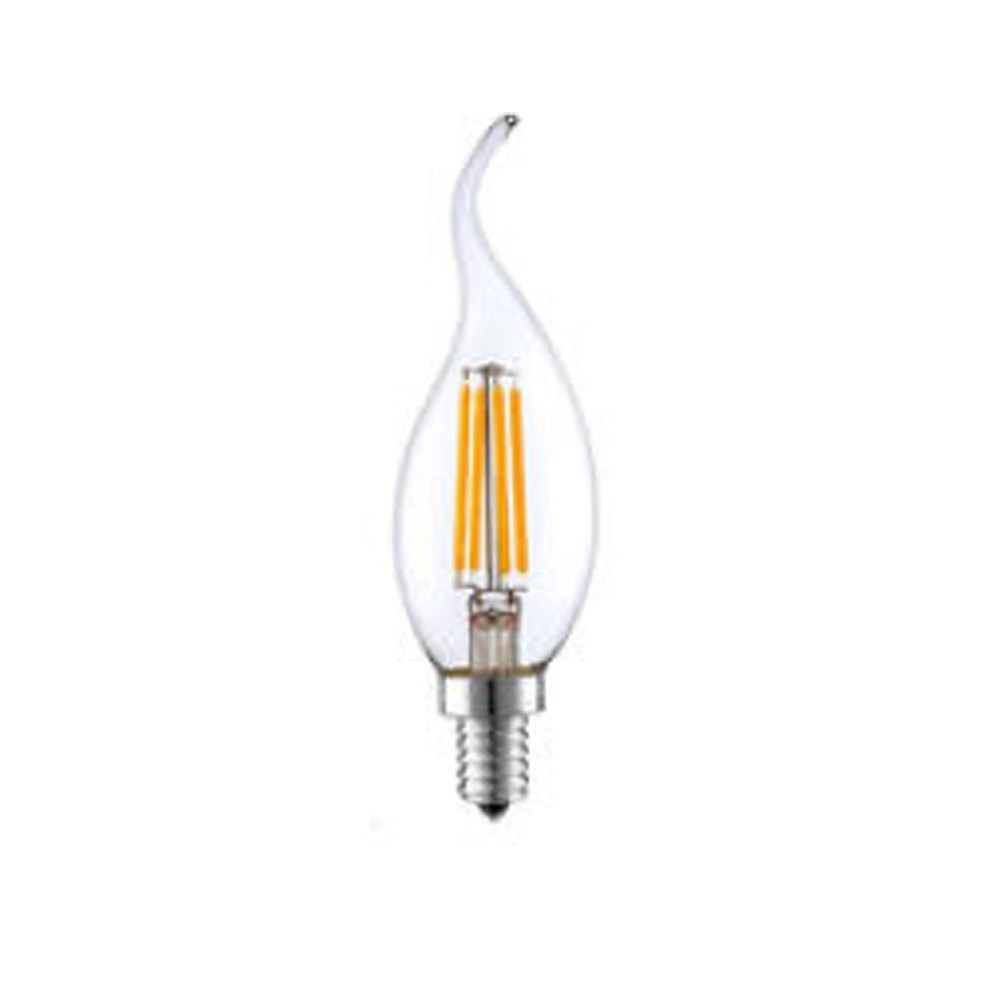
Open wall light. If the bulb is on show, it is part of the decor. Candle, flame-tip candle or small globe bulbs are the usual choice here, often in filament versions. Because the bulb is in plain view, it must not dazzle like a bright point: a clear filament bulb should be low in output and warm in colour, or a frosted version should be chosen.
Shaded wall light. A fabric or paper shade hides the bulb. Shape matters less here; what matters is that the bulb does not touch the shade and cannot be seen from below. A short frosted bulb spreads light evenly within the shade.
Wall light with a glass shade. In a closed or semi-closed glass shade, the size and heat of the bulb are important. A clear bulb under frosted glass can create a hot spot of light, while a frosted bulb lights the glass evenly.
G9 wall lights raise one more point. The old halogen G9 capsule was very small, while LED G9 bulbs are usually longer and wider because of the diodes and driver. In a wall light with a narrow glass cover, the new bulb may not fit or may press against the glass. Before buying, check the inside dimensions of the cover and, if possible, choose a compact LED G9. The pins of a G9 bulb are also thin: pushing it into the holder at an angle and forcing it bends the pins and weakens the contact.
Which way does the light go?
Many wall lights direct light upwards, downwards or both ways, and this directly affects the choice of bulb.
- An uplighter lights the ceiling and upper wall, creating soft reflected light in the room. A bulb that spreads light in all directions works well here.
- A downlighter is for reading or bedside light. The key is that the glass does not stick out below the edge of the shade and shine into the eyes of someone sitting nearby.
- An up-and-down light creates decorative bands of light on the wall; using two bulbs of the same type keeps the effect symmetrical.
Amount and colour of light
A wall light is usually supplementary, so a powerful bulb is not needed. An overly bright bulb creates a harsh patch on the wall and spoils the evening mood. In bedrooms and living rooms, warm white light feels comfortable. Beside a mirror, however, neutral white light with good colour rendering is better for seeing your face in natural colours.
If a bedside wall light is used for reading, the bulb can be a little brighter, but the light should fall on the book rather than the next pillow. A dimmable wall light with a compatible dimmable bulb is the most flexible solution in such spots.
Checklist for choosing
- Cap: E14, E27 or G9?
- Is the bulb visible, or under a shade?
- Does the light go up, down or both ways?
- Will the bulb fit the glass shade or fabric shade?
- If you have a pair of wall lights, do both have the same bulb?
- If the fitting is dimmable, is the bulb dimmer-compatible?
The Zəfər İşığı range includes shapes suited to wall lights: the C37 E14 candle bulb, E14 filament bulbs in straight and teardrop shapes, and the C45 E27 bulb. All of them are produced in Ganja.
All news