
A bulb stuck in the socket: how to remove it safely
Step-by-step methods for removing a seized, corroded or broken bulb without getting a shock or damaging the light fitting.
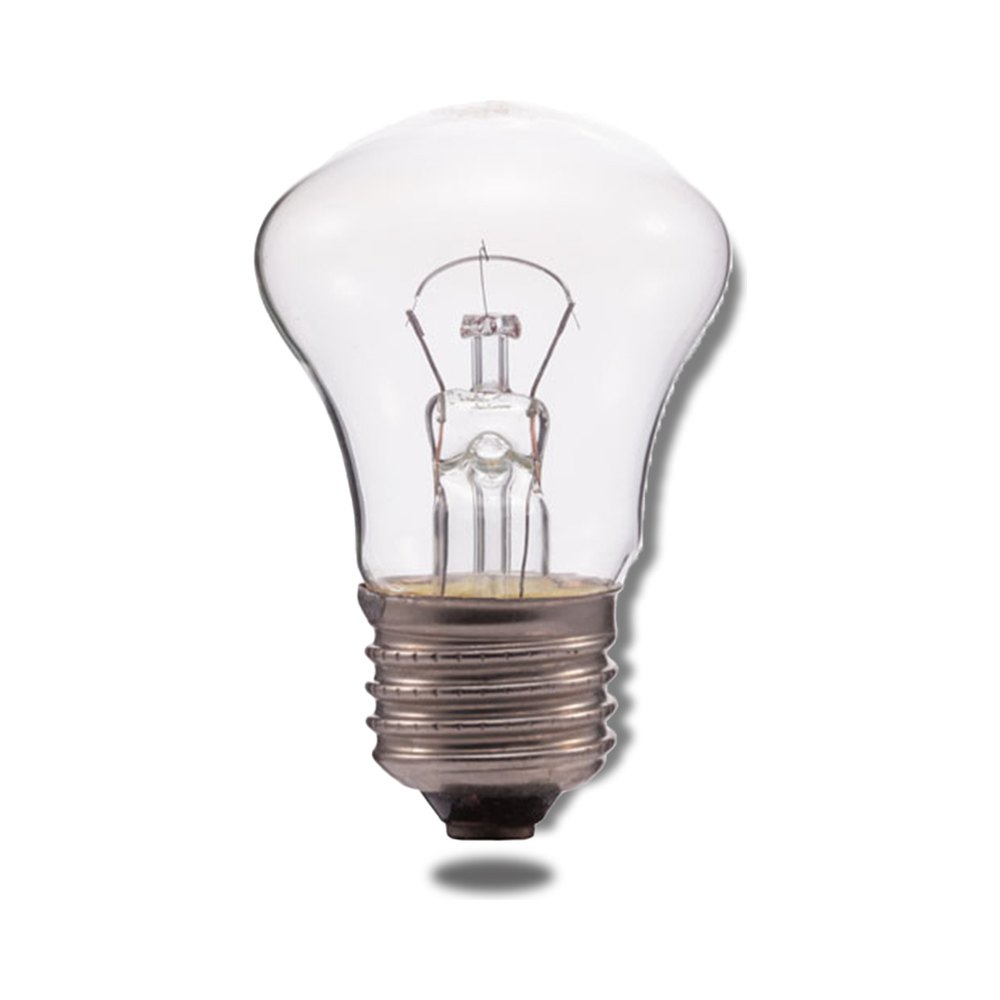
You try to unscrew a bulb and it will not budge. Apply a bit more force and either the whole lampholder starts turning, or the glass separates from the cap and comes away in your hand. This happens especially often in bathrooms, outdoor lanterns and with bulbs that have not been changed for years. Work calmly and in the right order, and the problem can be solved safely.
Why bulbs get stuck
There are several reasons a bulb seizes in its holder, and knowing the cause helps you pick the method.
- Corrosion. In damp places an oxide layer forms between the aluminium or brass cap of the bulb and the metal shell of the holder. Two different metals in a humid environment almost weld themselves together.
- Heat. If an incandescent bulb heated and cooled a plastic holder for years, the holder can distort slightly and grip the cap.
- Overtightening. Screwing a bulb in hard "so it sits properly" jams the threads together.
- Scorched contact. Arcing from a poor contact can fuse the tip of the cap to the centre contact.
First of all: cut the power
Working on a stuck bulb carries more electrical risk than a routine change, because the bulb may break and leave metal parts exposed. Switching off at the wall is not enough: the switch sometimes breaks the neutral rather than the live, leaving the holder contacts energised. Turn off that circuit's breaker at the consumer unit and, if possible, confirm with a voltage tester screwdriver that the holder is dead.
If the bulb has been on, let it cool completely. Wear safety glasses to protect your eyes from glass fragments and thick work gloves for your hands. Use a stable stepladder, and remember that glass may fall to the floor below.
Removing an intact bulb
If the glass is intact, the aim is to turn it without breaking it.
- Rubber grip. A rubber glove or a rubber jar-opening pad gives a better grip on the glass and spreads the pressure.
- Hold the holder. Steady the body of the holder with one hand so it does not turn with the bulb and twist the wires inside.
- Gentle rocking. Turn the bulb anticlockwise; if it will not go, rock it back and forth in small movements. This gradually breaks up the corrosion layer.
- Do not pull hard. Pulling the glass downwards can tear it away from the cap.
For spotlights and small bulbs that are hard to grip, a suction tool sold for changing bulbs can help.
If the glass has come off or broken
This is the hardest case: only the metal cap, and perhaps sharp shards of glass, remain in the holder. Double-check that the breaker is off.
First remove any glass fragments carefully with a gloved hand or pliers. Then insert the tips of thin needle-nose pliers into the cap, brace them against the sides and turn slowly anticlockwise. Another way is to bend the metal rim of the cap slightly inwards with the pliers to create something to grip. Move slowly so the contacts inside the holder are not bent.
Be cautious about the potato, soap or sticky-tape methods often suggested online. Pressing a moist material against exposed contacts is dangerous, particularly if the circuit is not fully isolated. The pliers method is more controlled and cleaner.
In some cases it is wiser not to carry on yourself. If the holder starts coming away from the ceiling or wall, if wires become visible, if the cap has bent inside the holder and caught on the contacts, or if you are not sure which breaker feeds the circuit, call an electrician. In such situations, removing the whole holder and fitting a new one is often both faster and safer than wrestling with a broken cap for a long time.
Check the holder afterwards
Do not consider the job done once the bulb is out. Shine a torch into the holder:
- is the centre contact blackened, melted or displaced?
- is there rust or white oxide on the threads of the shell?
- are there cracks or scorch marks on the plastic body?
- does the holder stay still when you turn the bulb?
If the contact is blackened or the holder is cracked, replace the holder, otherwise the next bulb will stick or overheat too. A light oxide layer can be cleaned off a dry, isolated holder with fine abrasive paper.
So it does not happen again
- Turn new bulbs only until they seat, never past the point of resistance.
- Choose moisture-protected fittings for damp locations.
- In places like bathrooms and yards, taking the bulb out and refitting it once a year stops corrosion from building up.
- Because long-life LED bulbs can stay in place for years without being changed, this check is especially worthwhile.
Once the stuck bulb is out, a Ganja-made Zəfər İşığı bulb can take its place. Once the holder has been replaced, a new bulb can be chosen from the catalogue by E27 or E14 cap.
All news