
Ceramic vs plastic lampholders: which one to use where
How ceramic and plastic lampholders cope with heat, mechanical stress and damp, and which makes more sense where now that LED bulbs are standard.
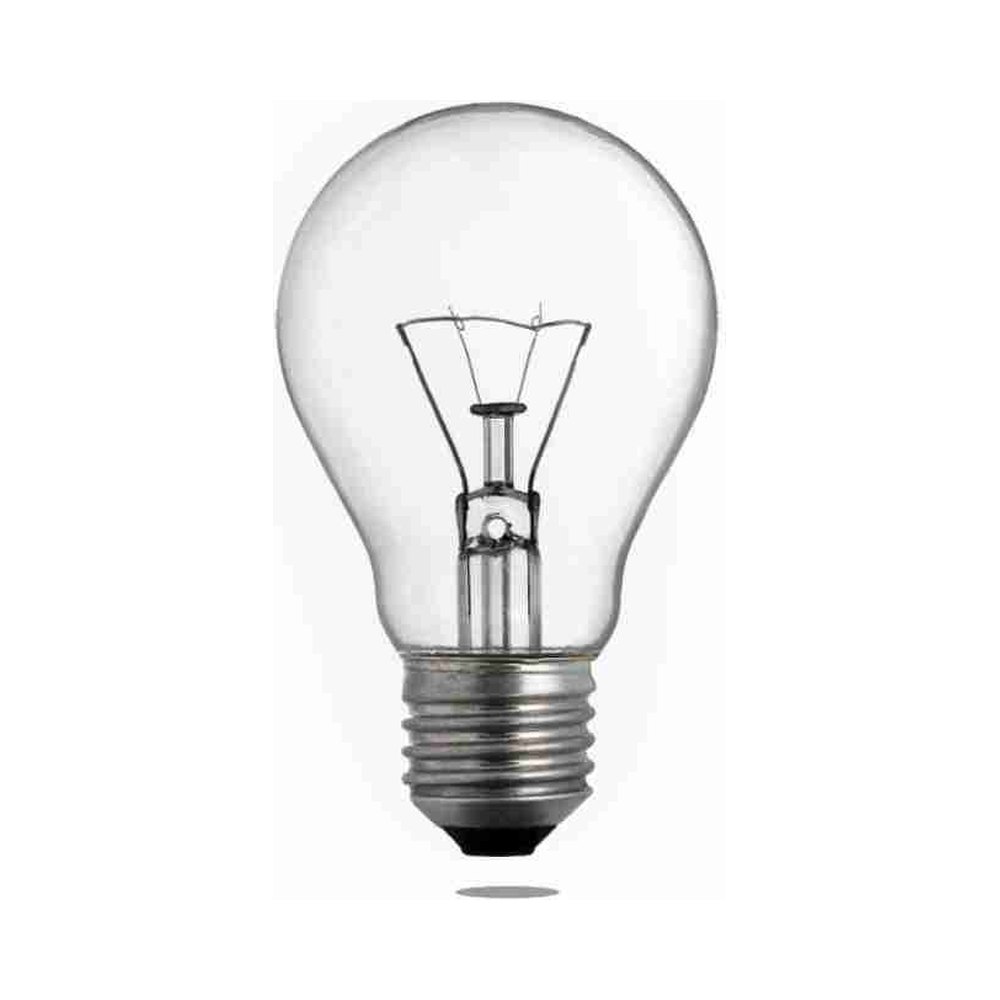
The lampholder is the least noticed part of a light fitting, yet all the current and the heat of the bulb pass through it. In the shop you will find two kinds in the same E27 or E14 size: white or brown ceramic, and black or white plastic. Choosing between them is not a matter of taste; it depends on the conditions the holder will work in.
Heat: the key difference
A ceramic holder tolerates high temperatures. Ceramic does not soften, melt or distort with heat, and it keeps its shape after years of heating and cooling cycles. In the days when incandescent and halogen bulbs dominated, ceramic holders were recommended for high-wattage bulbs, because the bulb cap got very hot and passed that heat straight into the holder.
Plastic holders are made from various materials. Good heat-resistant thermoplastic or phenolic (Bakelite-type) holders are durable enough for normal domestic conditions. Cheap plastic, however, yellows and becomes brittle with prolonged heat, and the parts that hold the contact strips weaken. A scorched or melted plastic holder is usually the result of a high-wattage incandescent bulb or a poor contact.
Many holders carry a "T" marking on the body indicating the temperature limit they are designed for. If you see it, compare it with the conditions in the fitting.
Mechanical strength
Ceramic's weakness is brittleness. A ceramic holder can crack from a knock, a fall or overtightened screws. Even if a cracked holder looks intact from outside, the contacts inside can shift. Take care when tightening the fixing screws.
The quality of a holder is not only about the body material. The thickness and springiness of the contact strips inside matter just as much. The centre contact should press firmly against the tip of the bulb, and the threaded shell should not wobble. In cheap holders the thin strip bends after a few bulb changes, loses its spring and the contact weakens. In the shop, pick the holder up and press the centre contact with a finger: it should spring back. Metal terminal screws that clamp the wire securely are another simple sign of quality.
A plastic holder is flexible, copes better with knocks and is lighter. That is an advantage in pendants, on decorative cables and in table lamps in a child's room. Many plastic holders also come with practical extras such as a cord grip and an external thread for a shade ring.
How LED bulbs changed things
An LED bulb produces far less heat than an incandescent one, and most of that heat goes into the heat sink rather than the cap. That is why a good plastic holder with an LED bulb can run trouble-free for many years in ordinary domestic fittings. The heat advantage of ceramic is no longer as decisive as it used to be.
Still, "LEDs don't get hot" is not quite true. The cap area of high-output LED bulbs also warms up, especially in enclosed shades. And a poor contact in the holder generates heat whatever the bulb type. So the holder material still matters.
Which to choose in which conditions
Ceramic is the better choice for:
- enclosed, unventilated shades and shallow fittings close to the ceiling;
- high-output bulbs, particularly in workshops, warehouses and garages;
- hot spots such as above a cooker or near a sauna;
- fittings that still use incandescent or halogen bulbs.
Plastic is suitable for:
- open pendants, wall lights and table lamps;
- ordinary living spaces with medium-output LED bulbs;
- portable lights that may be knocked or dropped;
- decorative models that need a shade ring and a cord grip.
Damp locations are a separate question. For a bathroom or outdoors, what counts is not the holder material but the protection rating of the fitting as a whole. A sealed fitting can contain either a ceramic or a plastic holder.
When replacing a holder
- Check the size of the old holder and how it is fixed (screws, nut, bracket).
- If the wire ends are blackened, cut them back and reconnect from clean conductor.
- Connect live to the centre contact and neutral to the threaded shell.
- Tighten screws firmly, but not so hard that ceramic cracks.
Choosing a holder goes hand in hand with choosing the bulb. In the Zəfər İşığı catalogue you can pick LED bulbs with E27 and E14 caps in various wattages to suit the conditions in your fitting.
All news