
The B22 bayonet cap: what it is and how it differs from E27
How the B22 bayonet cap is built, where it is common, how it differs from the E27 screw cap, and what to do with a fitting brought from abroad.
When a chandelier or table lamp brought from abroad, especially from the UK, is set up at home, an unexpected problem sometimes appears: an ordinary screw bulb will not go into the holder. Look inside and there is no thread, just two slots on the sides. That is a B22 bayonet holder, and although it is rare in Azerbaijan, recognising it saves a wasted purchase.
How B22 is built
The "B" stands for bayonet fixing and "22" for a cap diameter of about 22 mm. The metal cap has no thread: it is a smooth cylinder with two small pins sticking out on opposite sides. At the end of the cap there are two contact pads side by side, rather than a single central contact.
The bulb goes in like this: line the pins up with the vertical slots inside the holder, push the bulb in and give it a small turn. A spring in the holder pushes the bulb back so that the pins seat in the L-shaped pockets at the end of the slots. To remove it, push in and turn the other way.
You may also see markings such as B22DC, where "DC" refers to the double contact. The smaller B15 cap works on the same principle at a smaller size and is used in some wall lights and appliances.
Recognising the cap with the bulb in your hand is easy. If the cap is a smooth metal cylinder with no thread and two small lugs sticking out of the sides, it is a bayonet. Measuring the diameter with a ruler separates B22 from B15: the first is roughly the width of an adult thumb, the second is noticeably slimmer. When checking the holder, look for two vertical slots inside and two spring-loaded contacts at the bottom. You need no tools to see these signs, just switch the fitting off and look in good light.
Where it is common
The bayonet cap has historically been the standard household cap in the UK, Ireland, Australia, New Zealand, India and a number of other countries with a British connection, and it is also found to some extent in France. In Azerbaijan, Turkey, Russia and most of continental Europe, E27 and E14 screw caps dominate in homes.
So B22 usually turns up in these cases:
- light fittings bought and brought back from abroad;
- decorative lamps ordered from online shops;
- some interior lights in foreign-made vehicles, boats or specialist equipment (usually smaller bayonet caps);
- older imported equipment.
Main differences from E27
The two caps do the same job, but there are some important differences:
- Fixing. E27 screws in; B22 is pushed and twisted. A bayonet is more resistant to working loose under vibration, which is an advantage in places that shake.
- Contact. On E27, one contact is the threaded shell. On B22 the metal body carries no current, and both contacts are on the pads at the tip, which is slightly safer if you touch the body while changing the bulb.
- Size. B22 is somewhat smaller in diameter than E27, and neither fits the other's holder.
- Choice. In our market the range of E27 bulbs is many times wider; finding a B22 bulb can be difficult.
What to do with a fitting from abroad
There are three main routes, and the right one depends on the value of the fitting and how long you plan to use it.
Find a B22 bulb. If the fitting is temporary or rarely used, finding a suitable LED bulb is the simplest option. Check that it is rated for 220–240 V mains; the UK and Australia use a voltage compatible with ours, but products from other countries may differ.
Use a B22 to E27 adapter. Adapters that convert a bayonet holder to a screw holder are available. They add a few centimetres, so in shaded or enclosed fittings the bulb may show or may not fit. A poor-quality adapter is also a source of weak contact and heat.
Replace the holder. If the fitting will be used for years, swapping the B22 holder for an E27 one is the most durable solution. It involves looking at how the fitting is built, connecting the wires correctly and fixing the holder securely, so it is best left to an electrician.
When buying a fitting abroad, simply asking about the holder type beforehand settles all of these questions before they arise.
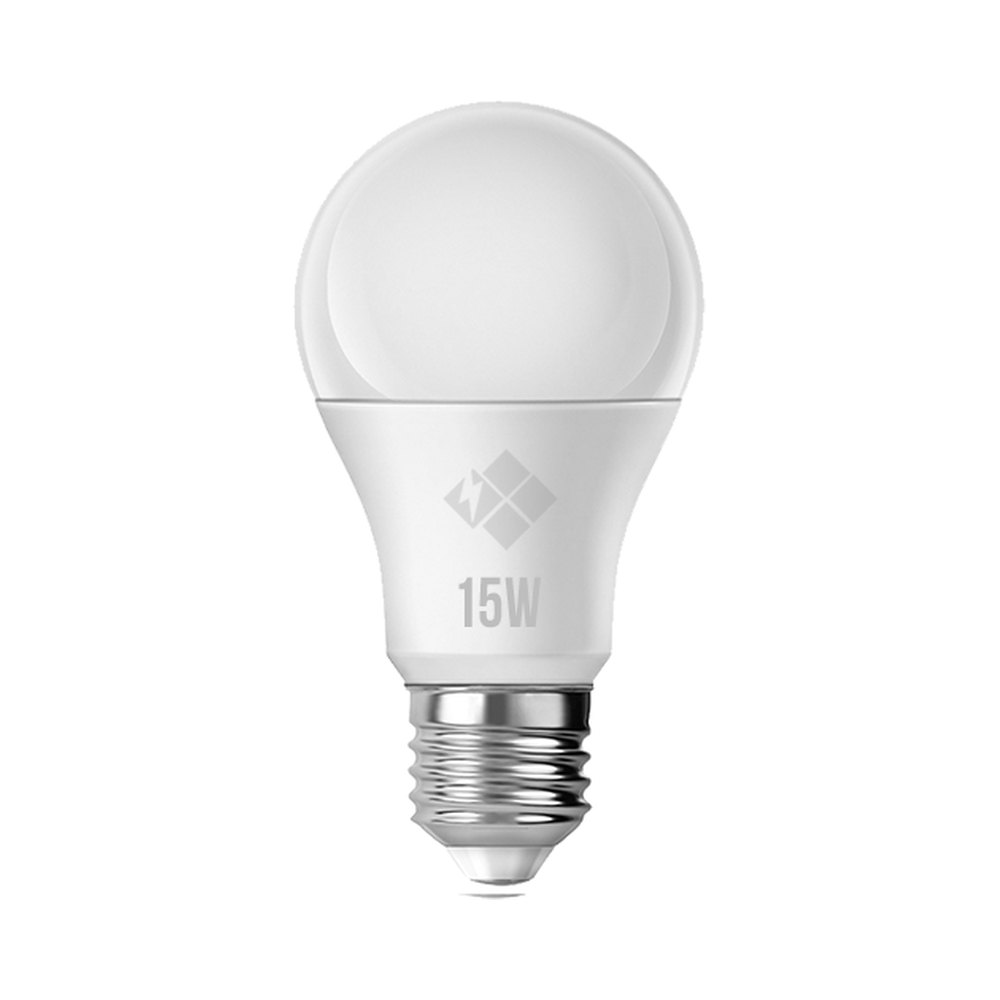
Zəfər İşığı bulbs are made with the E27 and E14 screw caps that are standard in Azerbaijan. For a fitting whose holder has been converted to E27, the catalogue offers bulbs in a range of wattages and shapes.
All news