
News
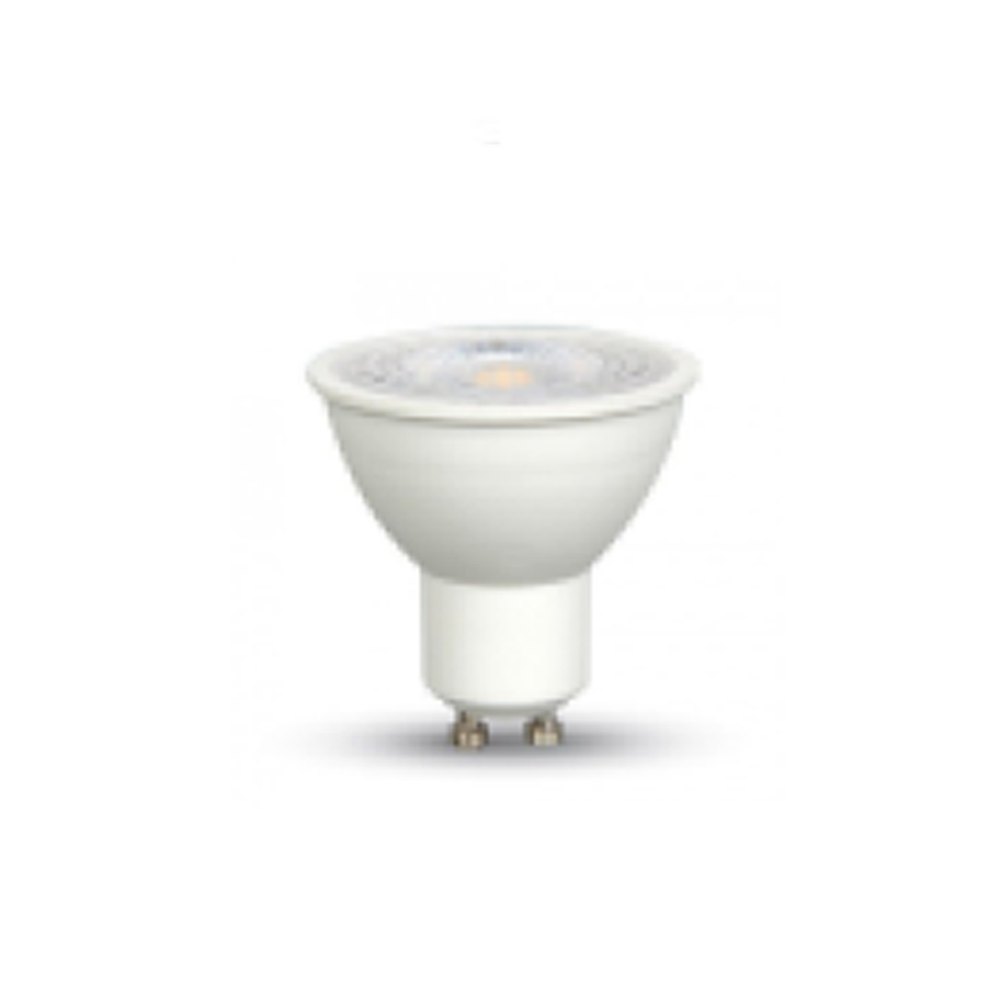
Spotlight diameter and the size of the ceiling cut-out
How the spotlight's diameter, the fitting's trim ring and the hole cut in the ceiling relate to each other, what happens when sizes are wrong, and how to measure properly.
The tiny E10 cap: torches, string lights and models
Where the miniature E10 screw cap is used, what makes low-voltage bulbs different, and the subtle points such as polarity when replacing them with LED.
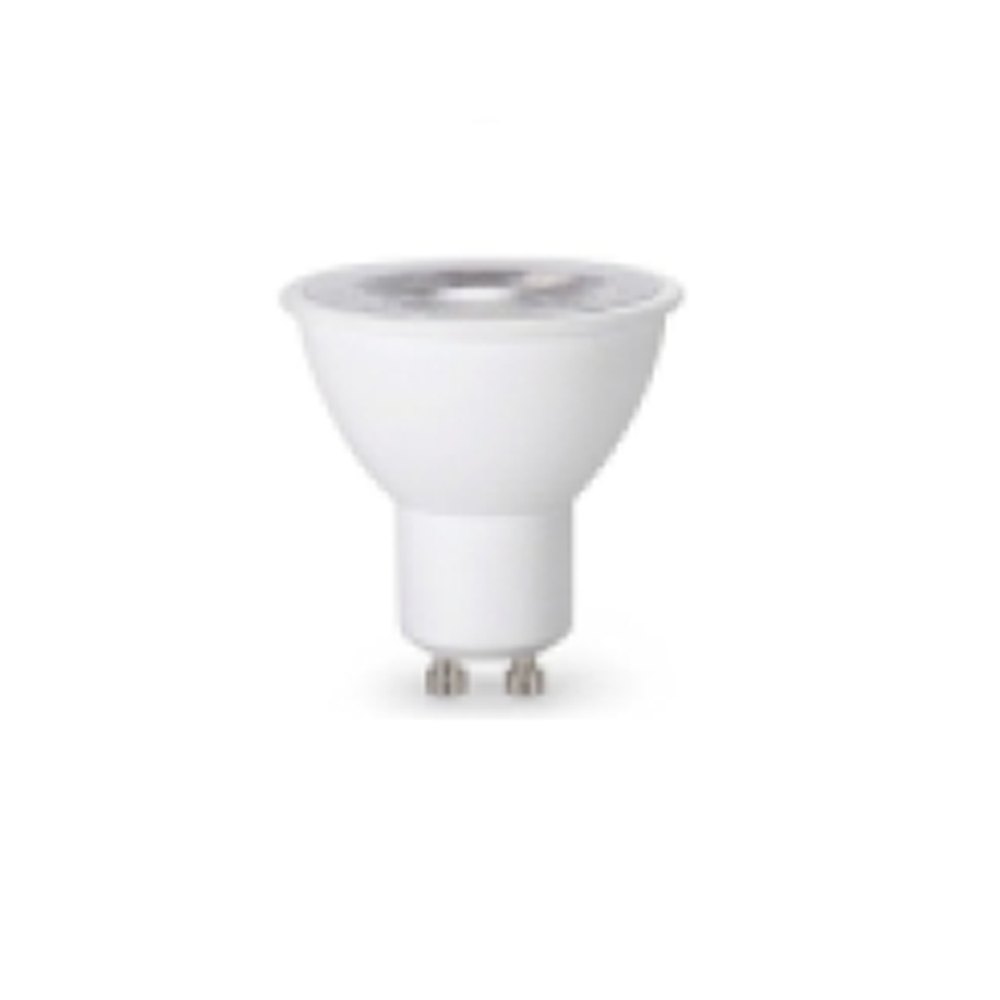
GU4 and MR11: small-diameter spotlights
The size, base and 12-volt supply of MR11 and GU4 spotlights, how they differ from MR16, and what to watch when replacing them with LED.
2G11 and G23: the bases of compact fluorescent lamps
How to recognise compact fluorescent bases such as 2G11, G23, G24 and 2G7, how two-pin and four-pin versions differ, and why the circuit matters when choosing an LED replacement.
R7s linear halogen lamps: what sits inside floodlights
How the R7s linear halogen lamp used in floodlights and uplighter floor lamps is built, its lengths, how to handle it, and the LED alternatives.
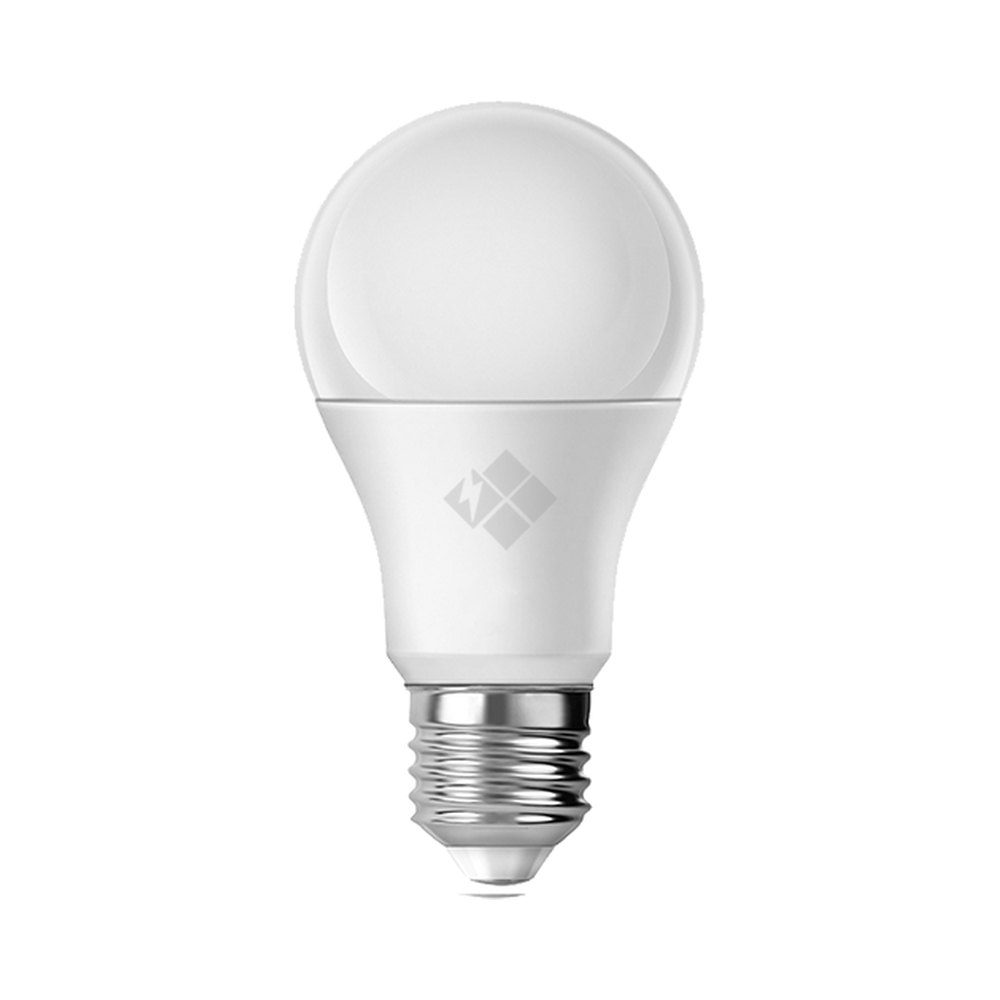
E26 and E27: will an American bulb work in a European socket?
How E26 and E27 screw caps differ, whether bulbs and fittings brought from the US will work on a 220–240 V supply, and the key safety issues.
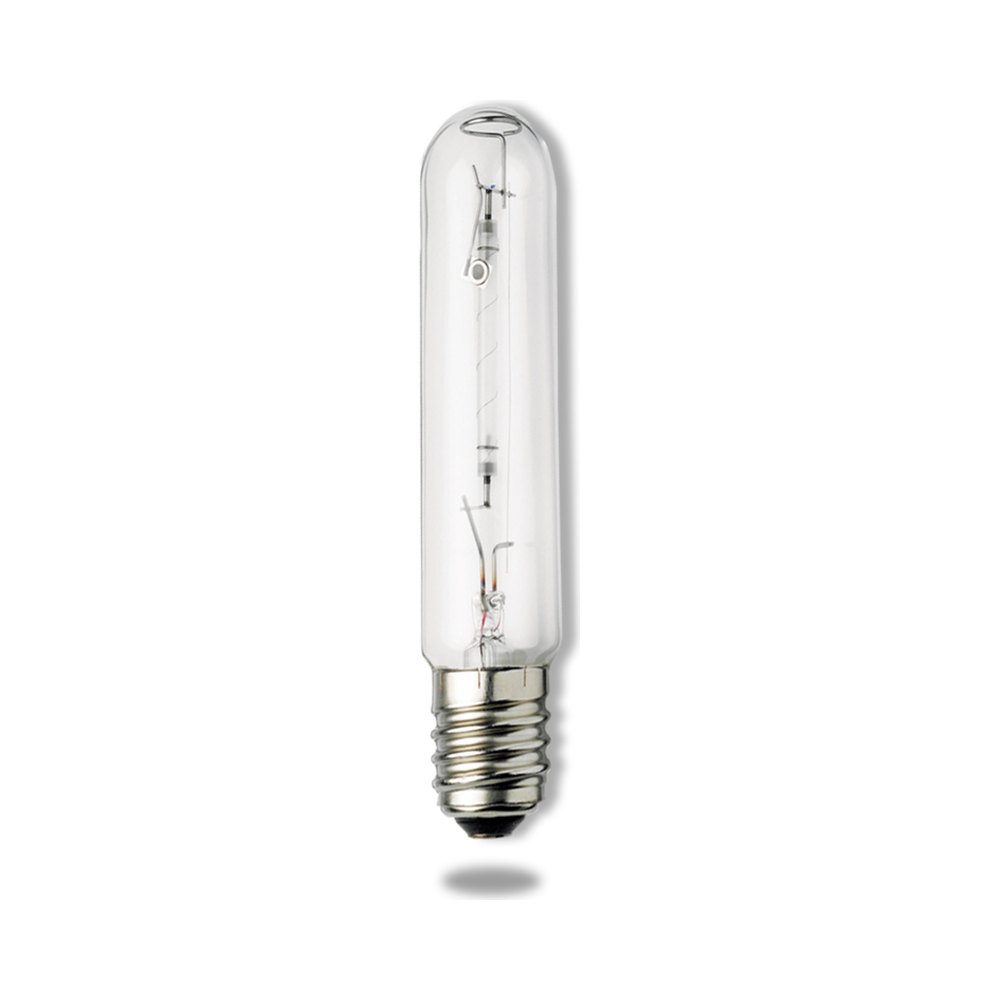
Cylindrical T-shape LED bulbs: where they are used
What sits inside a powerful cylindrical T-shape LED lamp, where it works best, and the heat, size and fitting checks to make first.
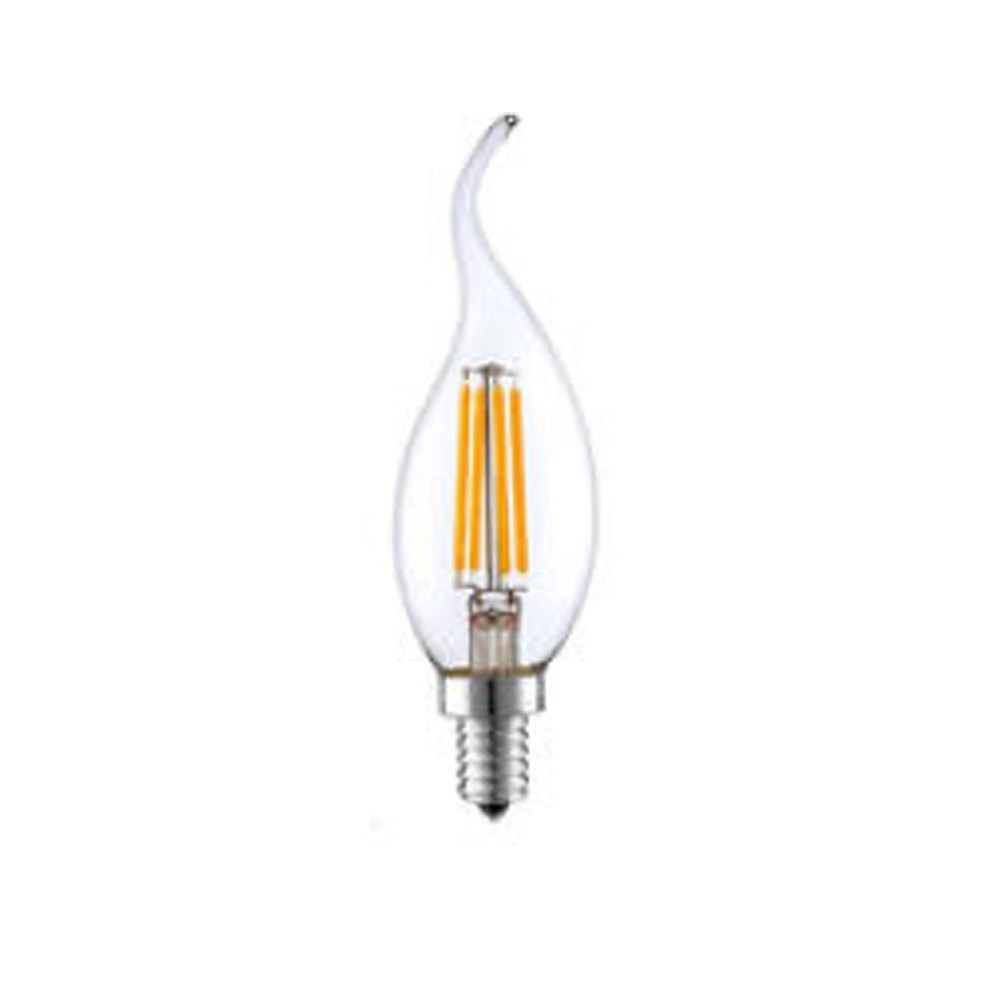
Large G95 and G125 globe bulbs for bare pendant lights
The size of large G95 and G125 globe bulbs, how they look in bare pendants, choosing clear or frosted glass, hanging height and avoiding glare.
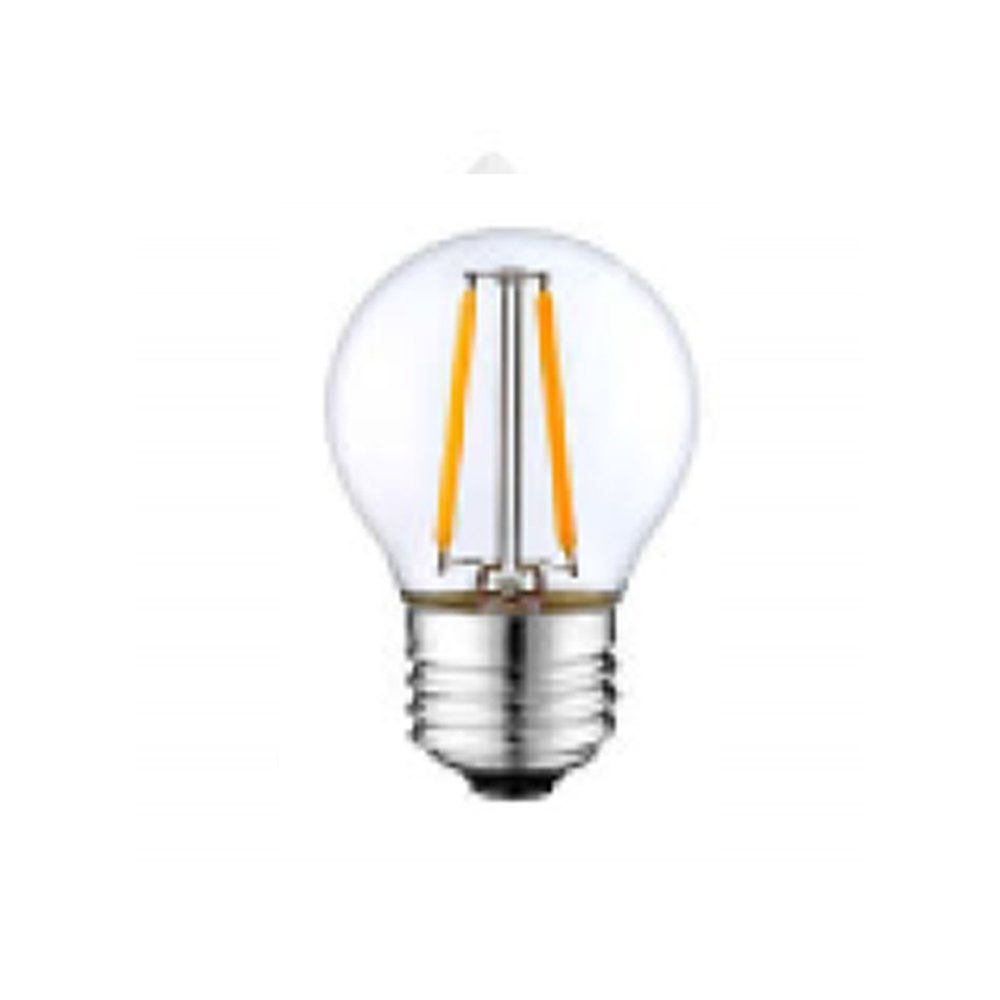
Choosing the lampholder and flex for a pendant light
How to choose the lampholder, cable, ceiling rose and fixings for a bare pendant light, connect the wires properly and keep it safe.
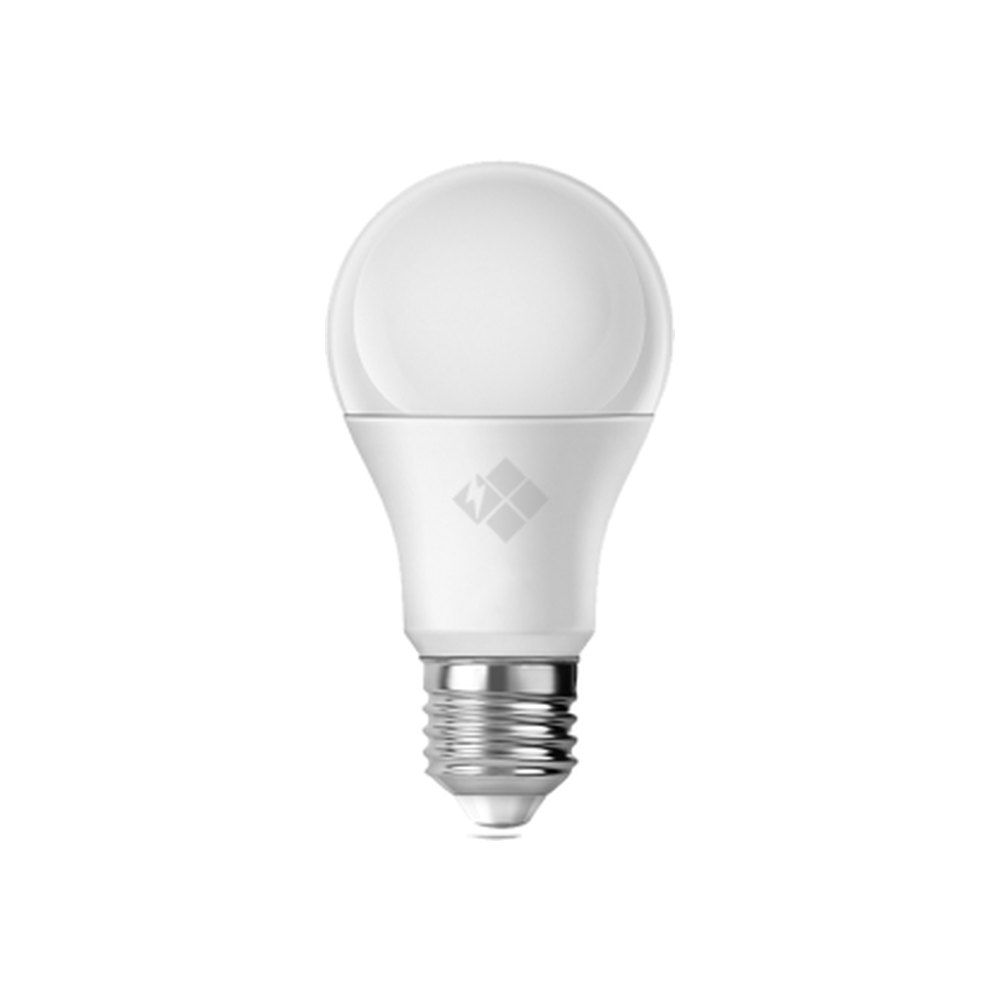
What “60 W equivalent” on the box really means
What "60 W equivalent" on an LED bulb box means, which lumen value the comparison is based on, and what to keep in mind before relying on it.
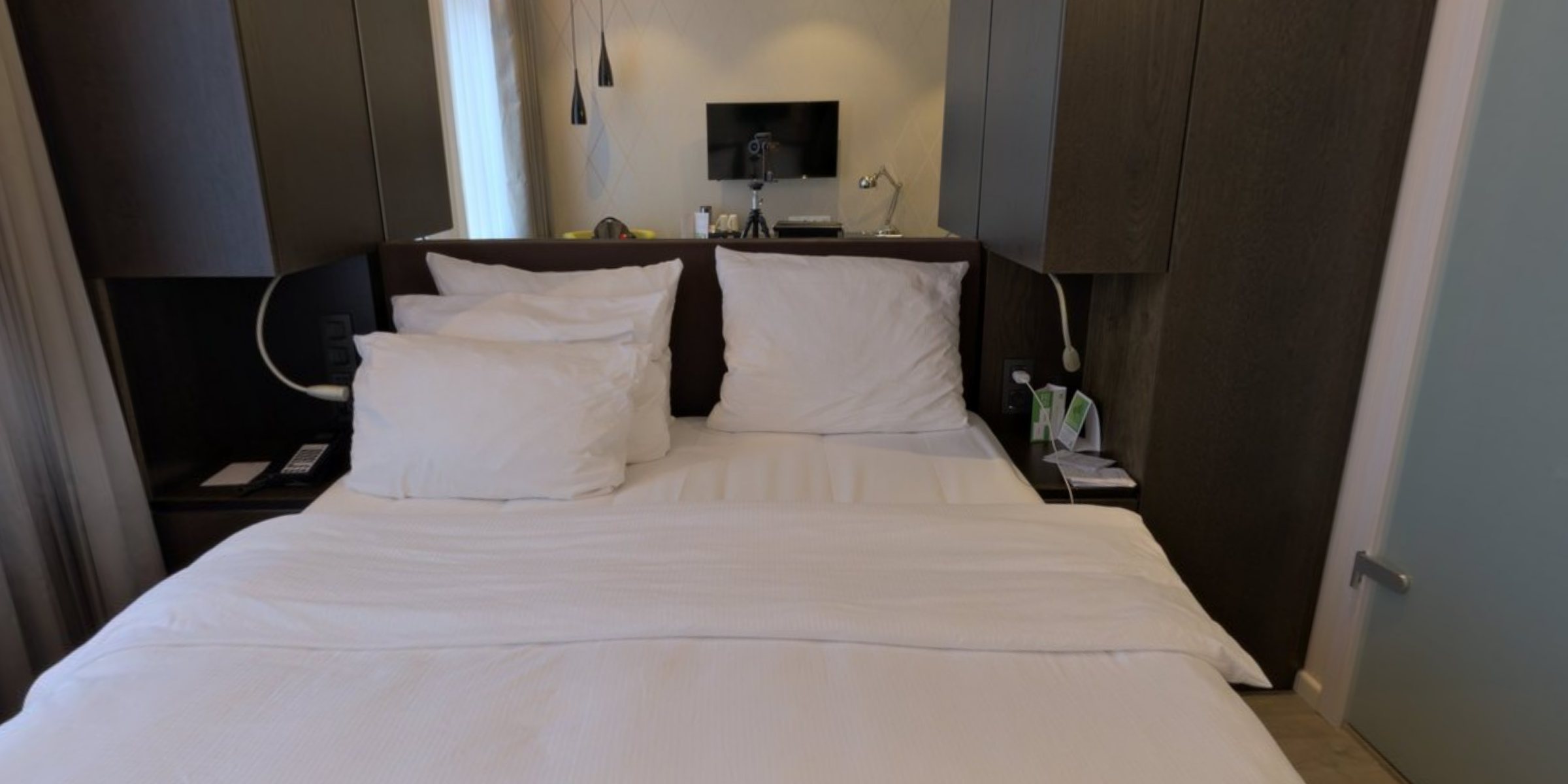
How many lumens a room needs, based on its floor area
A simple method for estimating how much light a room needs from its area and use, with a worked example and the factors that change the result.
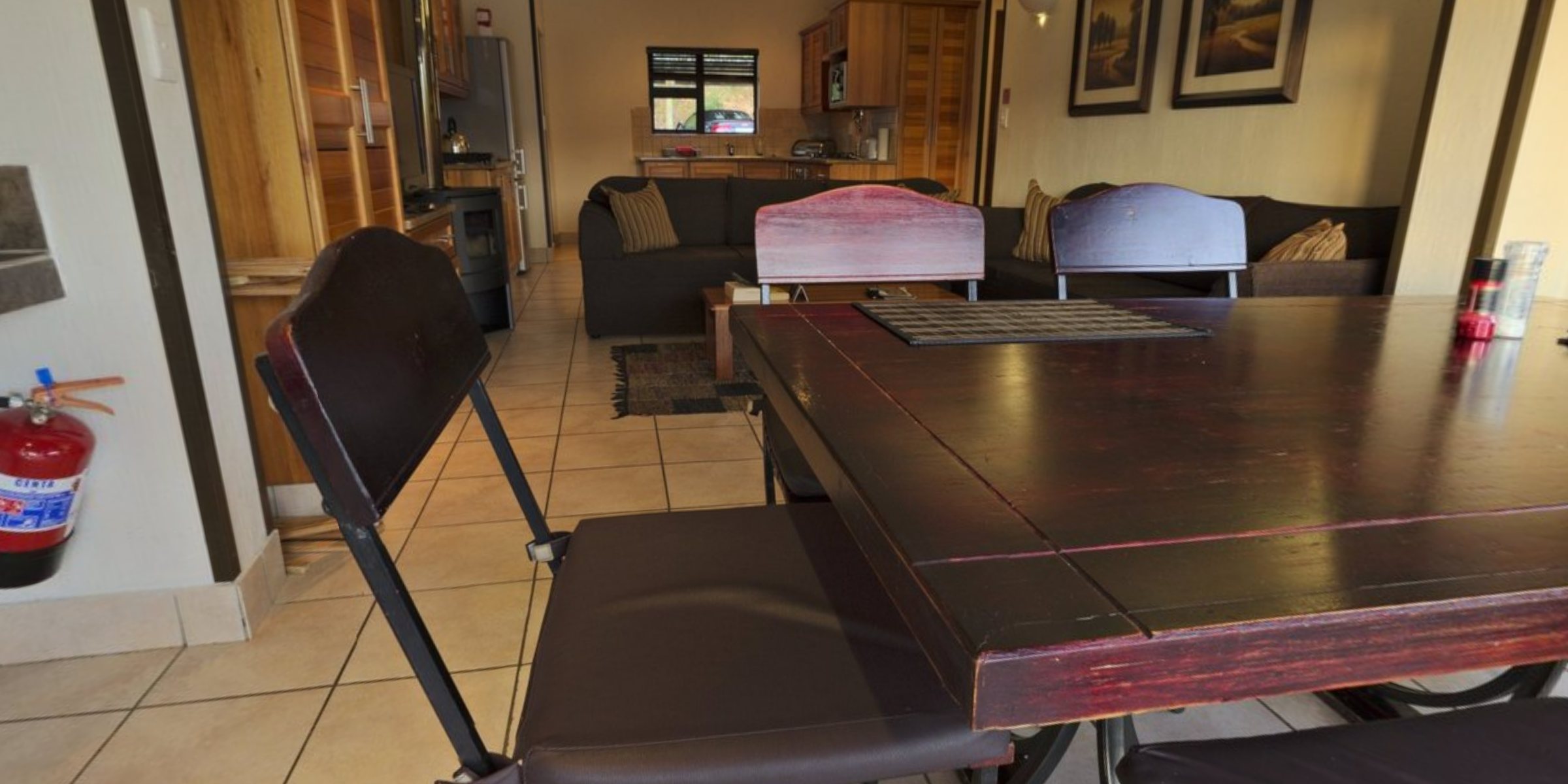
Lux vs lumens: how illuminance is measured
Lumens describe how much light a lamp gives out; lux describes how much of it lands on a surface. Knowing the difference helps you size lighting correctly.
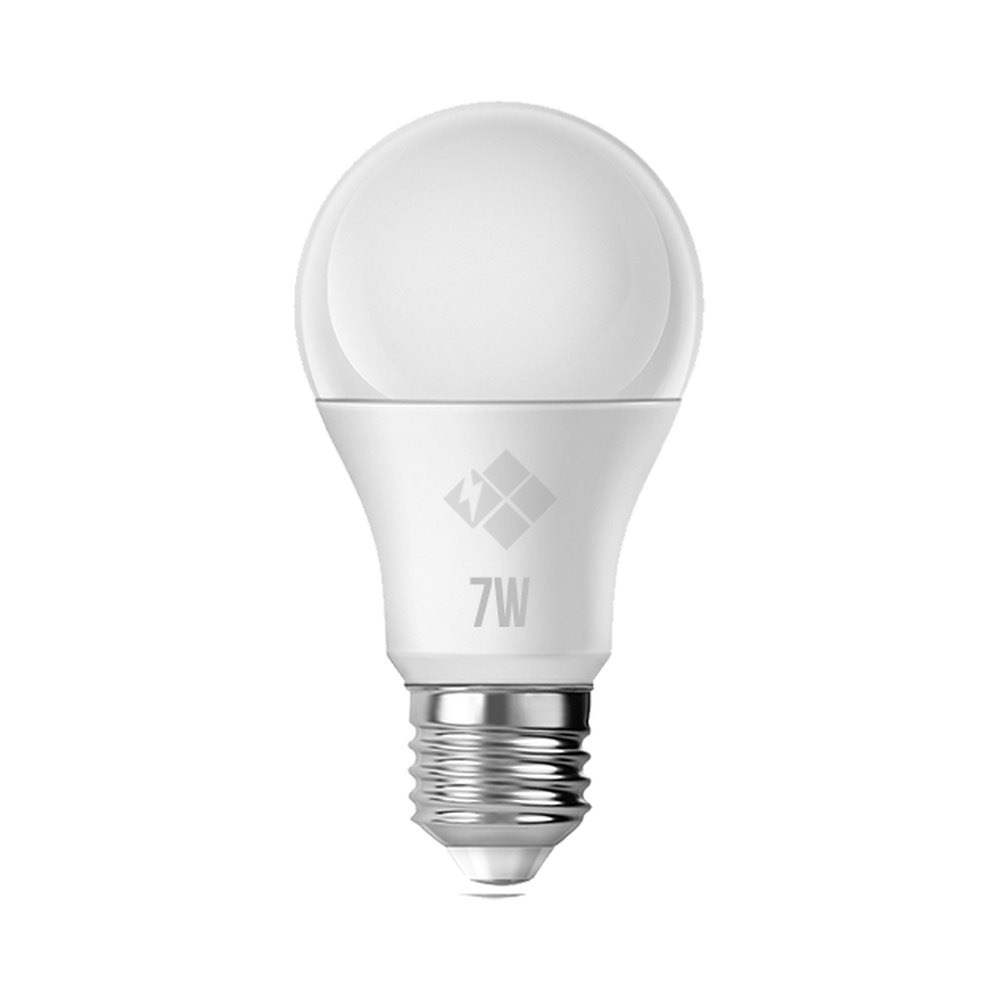
Lumens per watt: how to compare lamp efficiency
Watts tell you how much energy a lamp uses, lumens how much light it gives. Their ratio shows real efficiency and makes it possible to compare two lamps fairly.
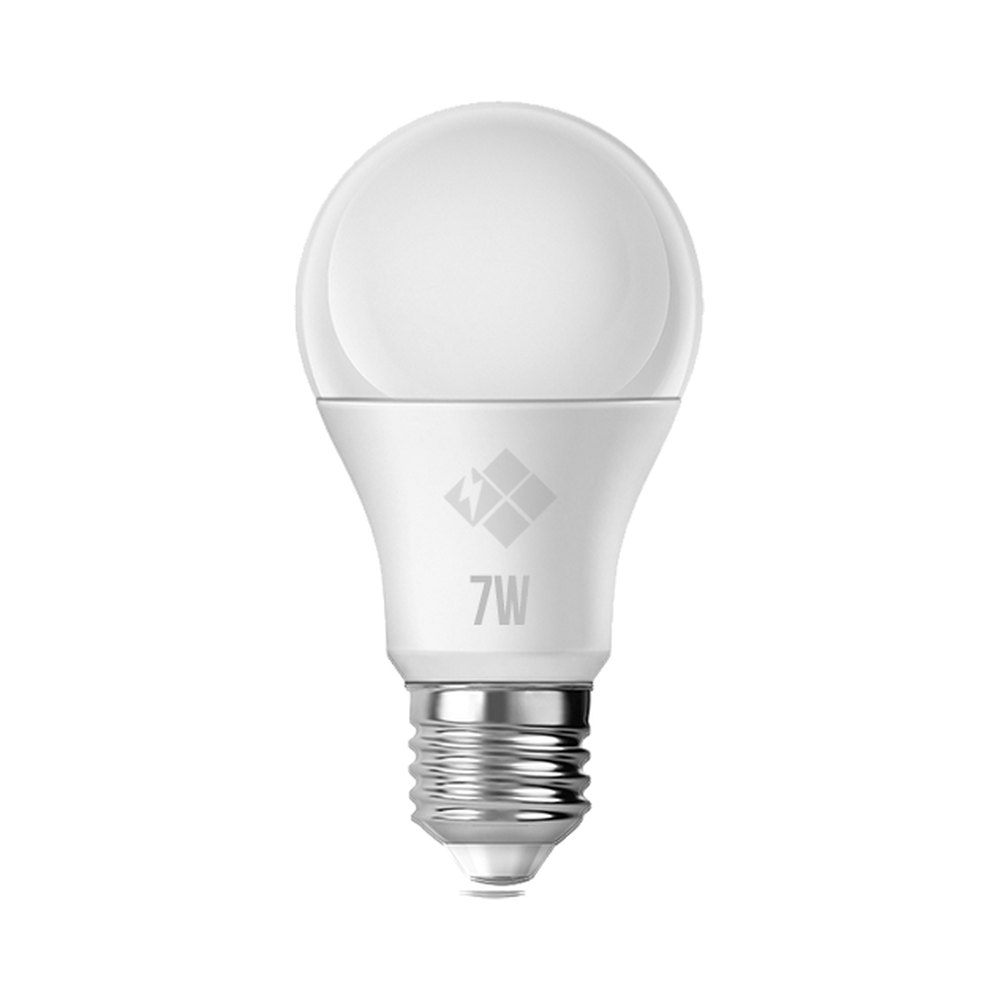
Reading the data on an LED bulb box
Lumens, kelvins, Ra, rated hours and symbols: an LED lamp box says a lot about the lamp. Here is what each marking means and what deserves your attention.
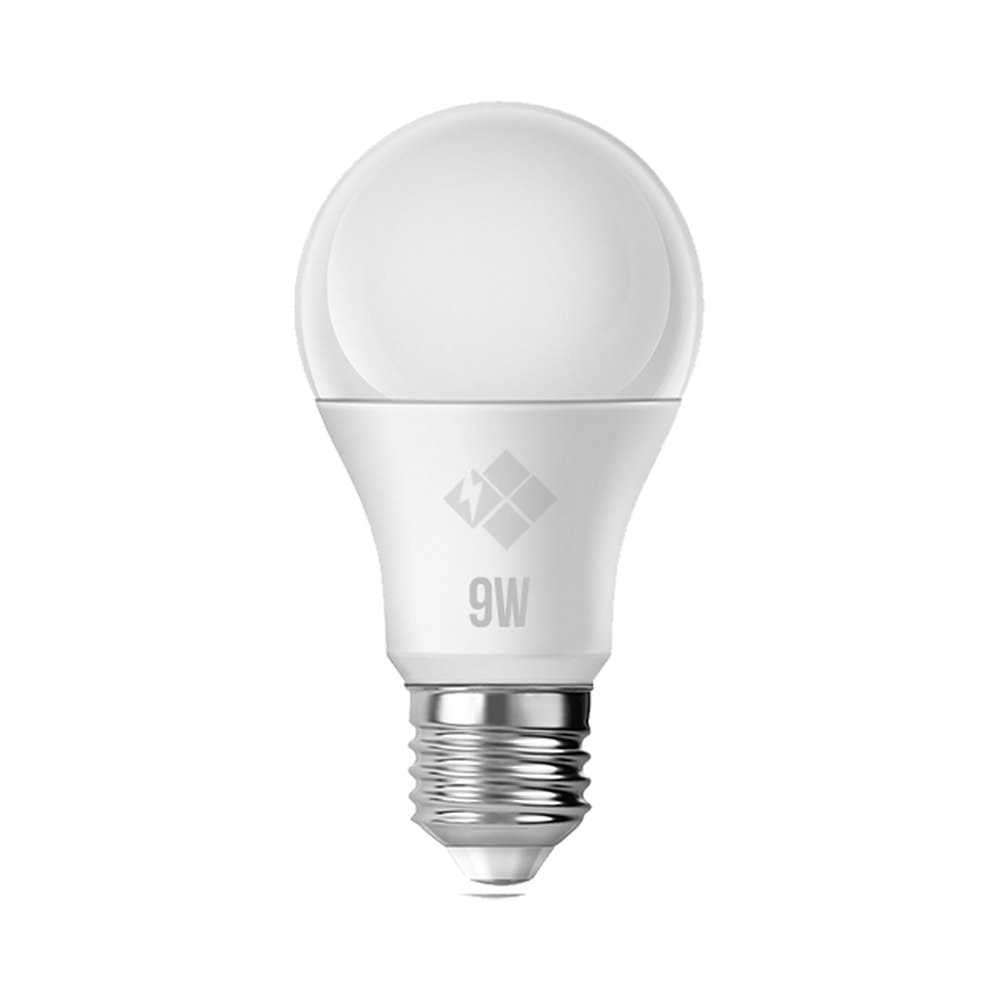
7, 9, 12 or 15 W: which LED wattage for which part of the home
LED wattage can be chosen by room size, ceiling height and the number of bulbs. Practical pointers for the main areas of a home.
Glare: how to stop bright light from dazzling you
Glare comes not from too much light but from the way light reaches the eye. How to recognise the causes and fix them, often without changing the lamp.
Beam angle in spotlights: narrow or wide?
Two spotlights of the same power can give completely different results depending on beam angle. Where narrow and wide beams belong, and how to work out the spot size.
What a candela is and why it matters for spotlights
The candela describes how strong light is in a particular direction. For spotlights it says more than lumens do: how bright the centre of the beam is and how far the light reaches.
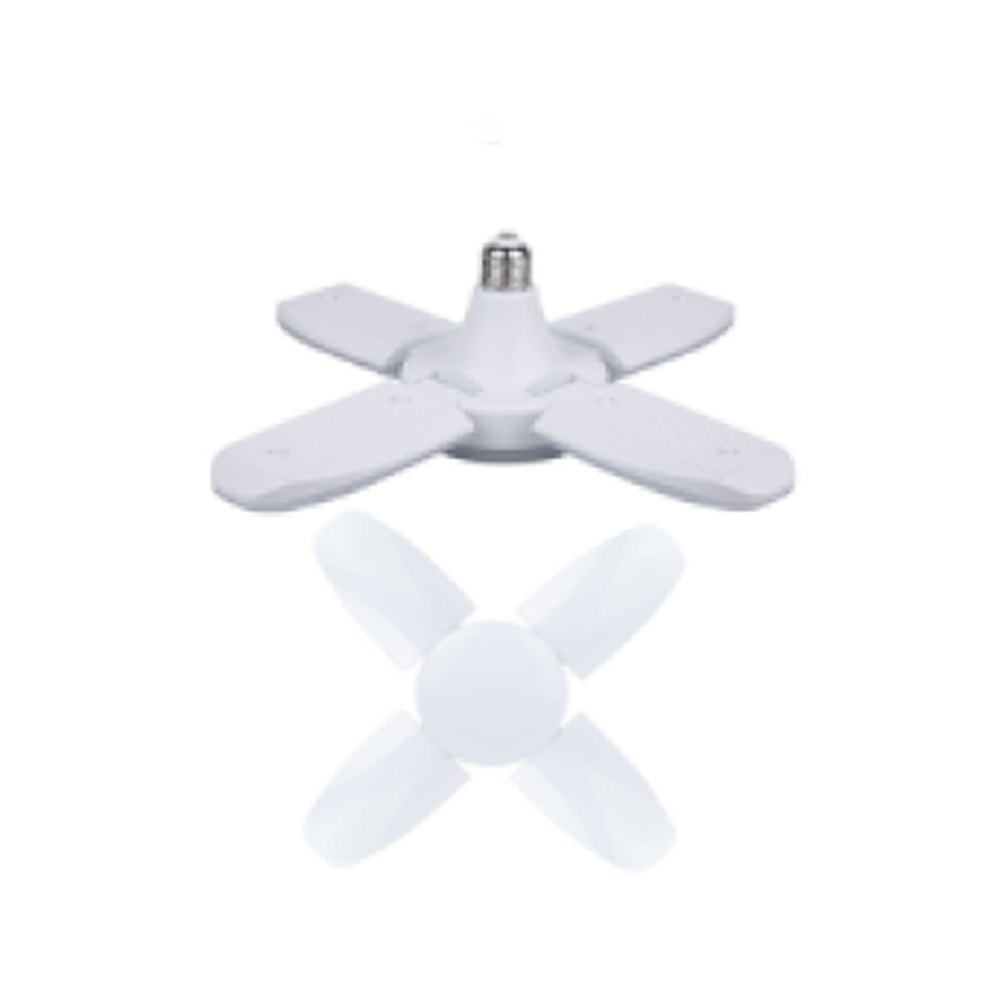
Choosing lamp output for the height of the ceiling
The higher the ceiling, the less light the same lamp delivers below. How to think about output, lamp type and layout, from ordinary flats to warehouses and halls.
One bright lamp or several dimmer ones?
The same total light can come from one powerful lamp or several weaker ones, but the room feels different. We compare the strengths and weaknesses of each option.
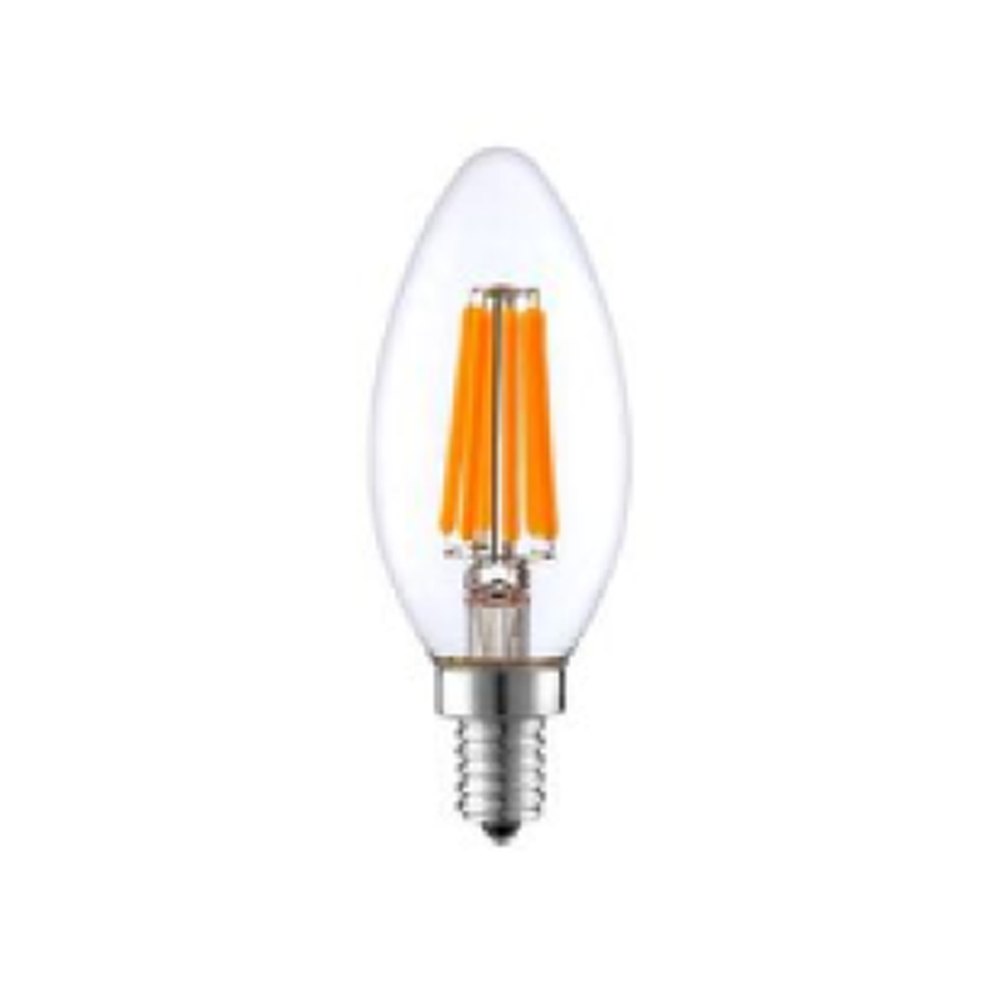
Frosted vs clear glass: light loss and softness
A frosted bulb softens light, while a clear one gives sparkle and crisp shadows. Where each works best, and how to think about light loss.
Can you measure how bright a lamp is at home?
You cannot measure a lamp’s lumens accurately at home, but you can roughly check the light reaching your desk with a lux meter or phone and compare lamps.
How much light you need for reading and writing
Reading needs more than a bright lamp: good placement, background light and a comfortable colour matter too. Practical rules for working on books and notebooks without strain.
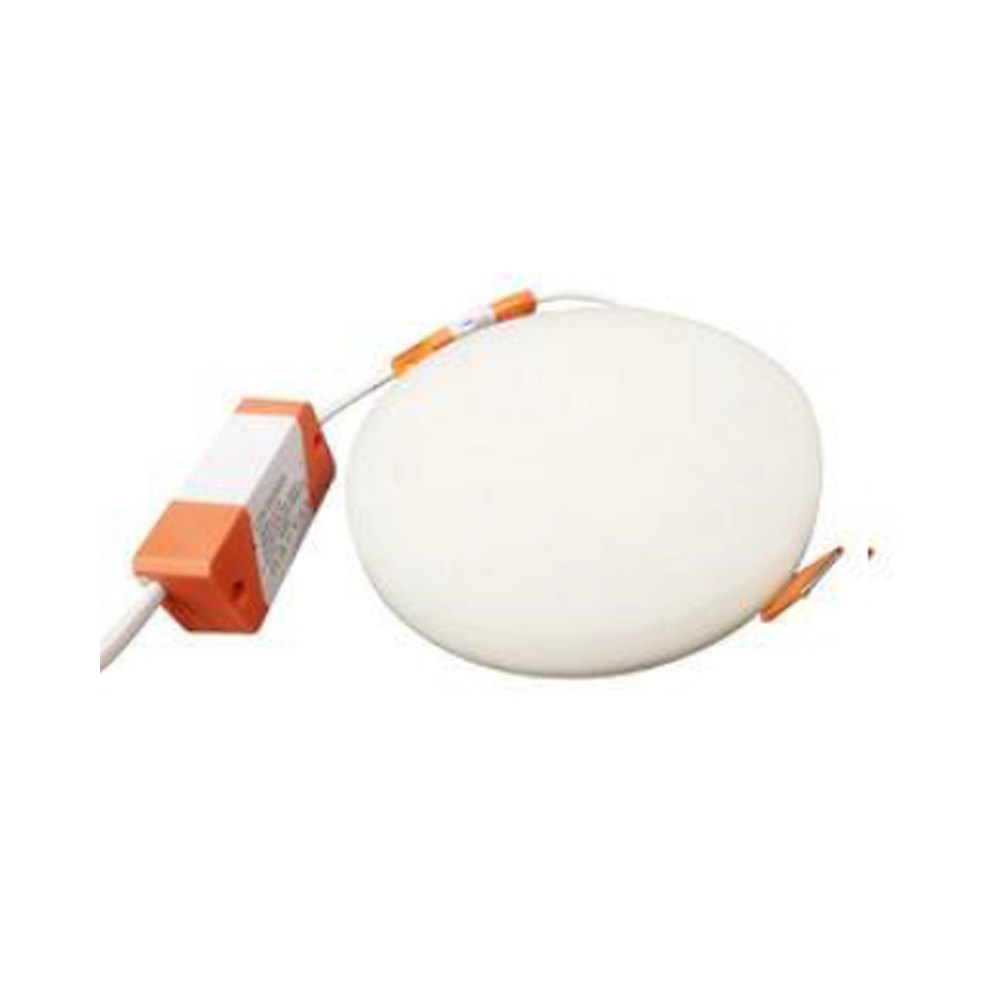
How to size an LED panel for the area it lights
The number and output of LED panels depend on room area, required light level and ceiling height. A simple calculation, layout rules and common mistakes.