
7, 9, 12 or 15 W: which LED wattage for which part of the home
LED wattage can be chosen by room size, ceiling height and the number of bulbs. Practical pointers for the main areas of a home.
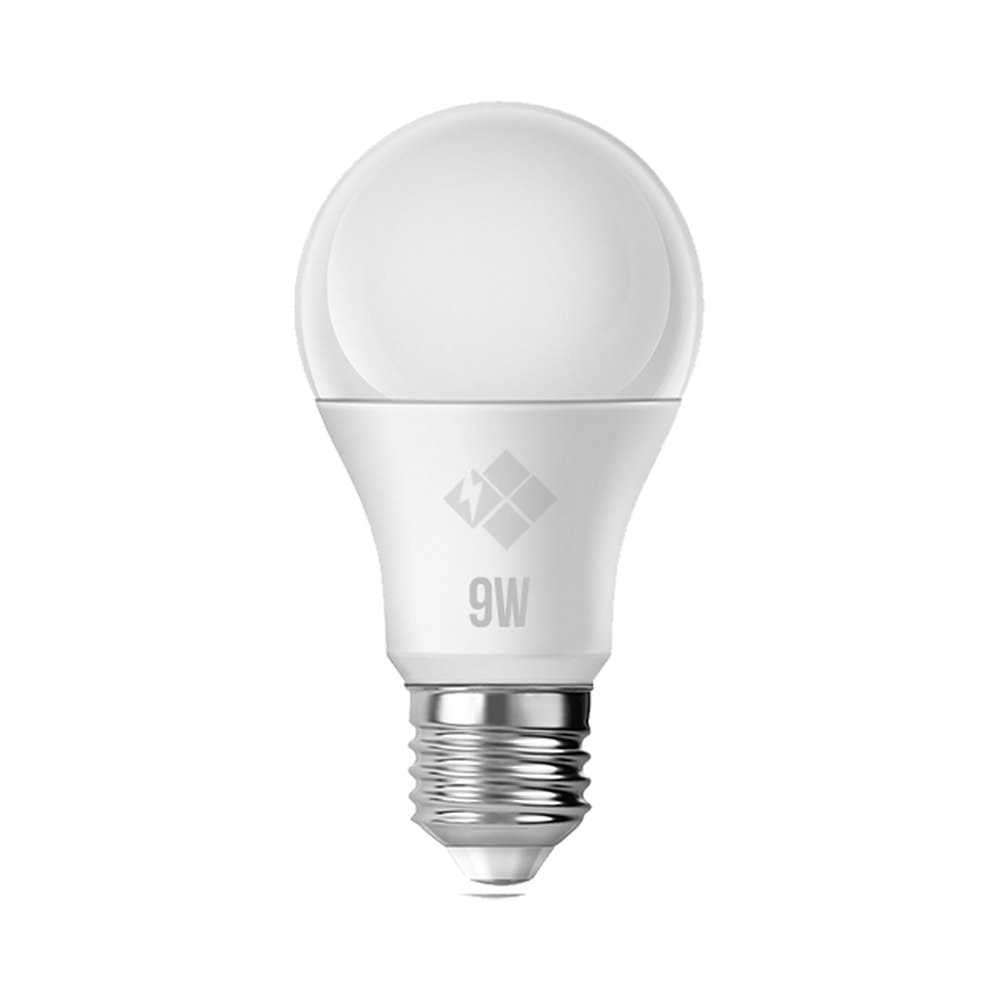
In the old days the choice was easy: a 40 W incandescent bulb for the hallway, 60 or 100 W for a room. With LED the numbers changed, and "is 12 watts too much or too little?" is a question people ask all the time. The pointers below apply to typical single-bulb fittings and should be treated only as a starting point.
Lumens, not watts, are what count
Two brands' 9-watt bulbs will not necessarily be equally bright. Since a typical household LED lamp gives roughly 80–100 lumens per watt, a rough rule of thumb looks like this:
- 7 W: about 550–700 lumens, close to an old 50–60 W incandescent bulb;
- 9 W: about 700–900 lumens, close to a 60–75 W bulb;
- 12 W: about 950–1,200 lumens, close to a 75–100 W bulb;
- 15 W: about 1,200–1,500 lumens, 100 W and above.
These are general ranges. Check the real output of a particular lamp from the lumen figure on its box.
7 W: supporting and local light
A 7 W lamp suits small areas and places where it complements the main light:
- hallway, entrance area and pantry;
- toilet and small bathroom;
- a bedside wall light or night lamp;
- each arm of a multi-bulb chandelier.
On its own, a 7 W lamp is usually too weak for reading, especially when a shade absorbs part of the light.
9 W: general light for small rooms
9 W is a very common choice for a small bedroom, a child's room in the evening or a table lamp. It is also a good starting point for a desk lamp, because the lamp sits close to the desk and little light is lost. As a single ceiling pendant, however, 9 W feels comfortable only in a light-coloured room of around 8–10 m².
12 W: medium rooms and the kitchen
The 12 W lamp is the workhorse of the home. As a single bulb it gives satisfying results in a medium-sized bedroom, a kitchen or as the general light in a living room. In the kitchen, adding separate light over the worktop alongside the ceiling lamp also solves the problem of shadows on the work area.
15 W: large spaces and high ceilings
15 W is suitable for lighting a larger room with one bulb, compensating for light loss under a high ceiling, or for working spaces such as a garage or workshop. In a small room with a low ceiling, however, a bare 15 W lamp often causes glare; several weaker lamps give more comfortable light there.
Factors that change the choice
The right wattage for the same room depends on several things:
- Wall colour. Dark walls and furniture absorb light; in a light-coloured room the same lamp looks much brighter.
- The shade. A thick, frosted or coloured shade holds back a noticeable share of light. You can go one step stronger in an enclosed fitting, but respect the fitting's maximum rated power and heat limits.
- Colour temperature. At the same lumens, cool white light seems brighter to some people, while warm light looks softer.
- Age. Older people usually need more light for reading and everyday tasks.
- Number of bulbs. Putting 12 W in each arm of a three-arm chandelier is a completely different result from a single 12 W bulb.
To check your choice before buying, note what is currently fitted in the room and ask yourself: is the light enough, or too much? If you were comfortable with the old lamp, choose a similar lumen output. If the light is short, go up one step. When in doubt, trying two different wattages in the same fitting in the evening is the most reliable method. Daylight from the window distorts the result, so test after dark and give your eyes a few minutes to adjust.
Zaferoğlu Elektrik's Zəfər İşığı series includes E27 LED lamps rated at 7, 9, 12, 15, 18 and 22 watts, which lets you choose different outputs for different parts of the home while keeping the same base.
All news