
News
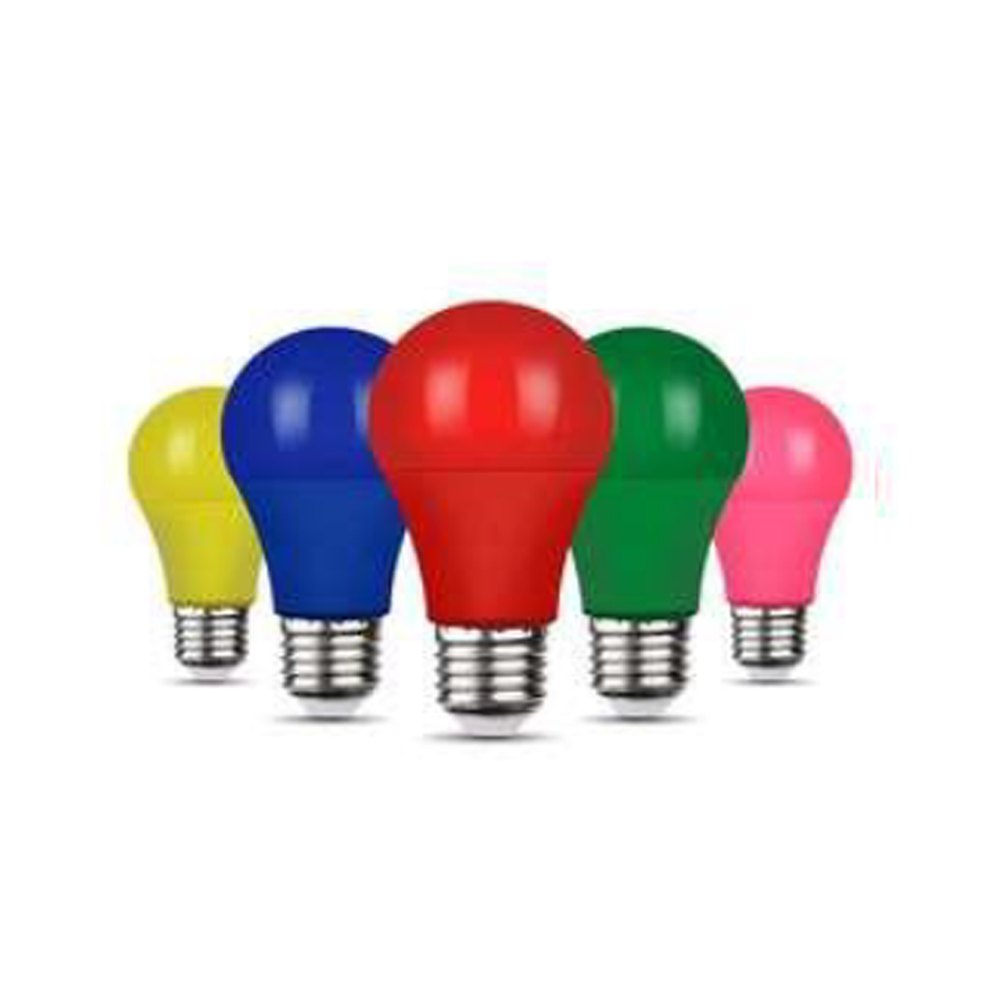
Why coloured LED bulbs look dimmer than white ones
A coloured lamp of the same wattage looks much dimmer than a white one. The reasons lie in how differently the eye responds to colours and in the physics of coloured light.
Folding multi-blade lamps: how they spread light and where they help
A folding multi-blade LED lamp directs light downwards or sideways as its blades are angled. Where it is useful, and the rules for installing it safely.
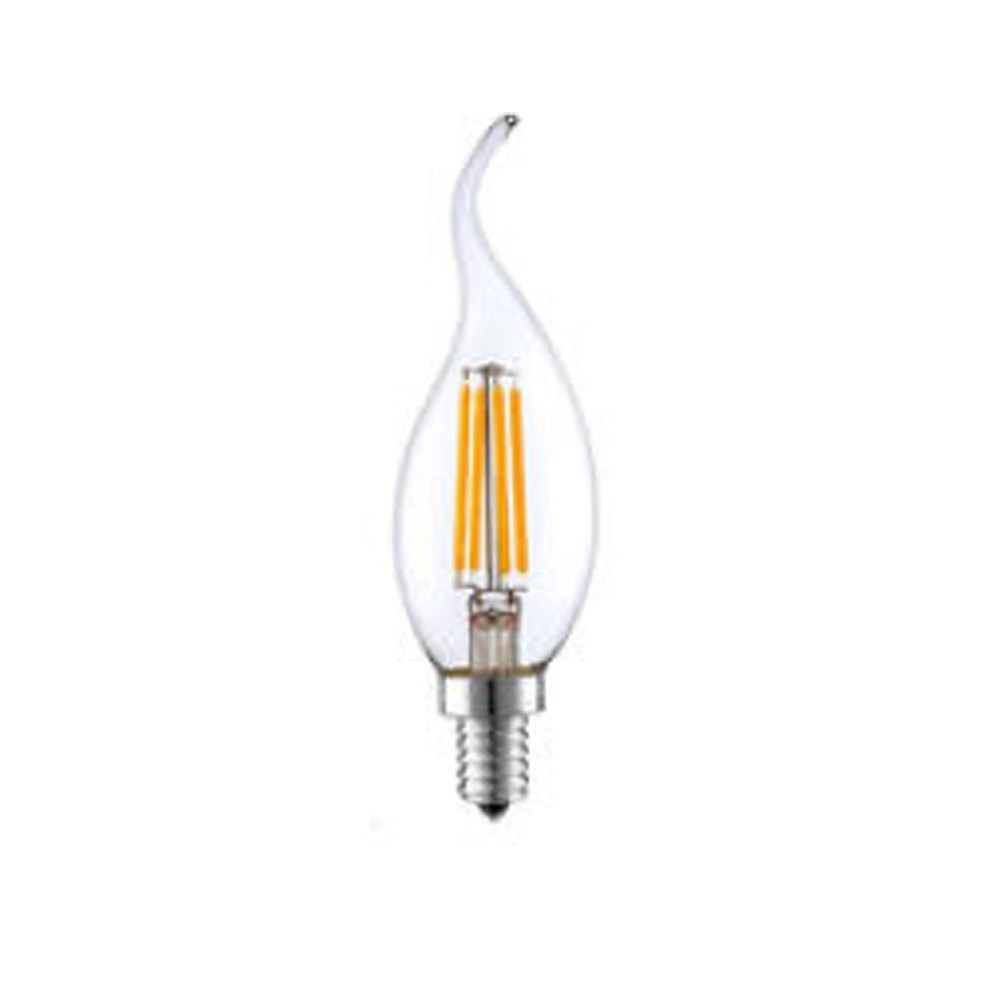
Is a filament LED bright enough to light a whole room?
Filament LEDs look beautiful, but can one be a room's main light? It depends on output, the glass, how many bulbs you use and the size of the room.
Light distribution: does a bulb shine all around or downwards?
Some bulbs spread light in every direction, others push it one way. Knowing the difference is the key to matching a bulb with its fitting.
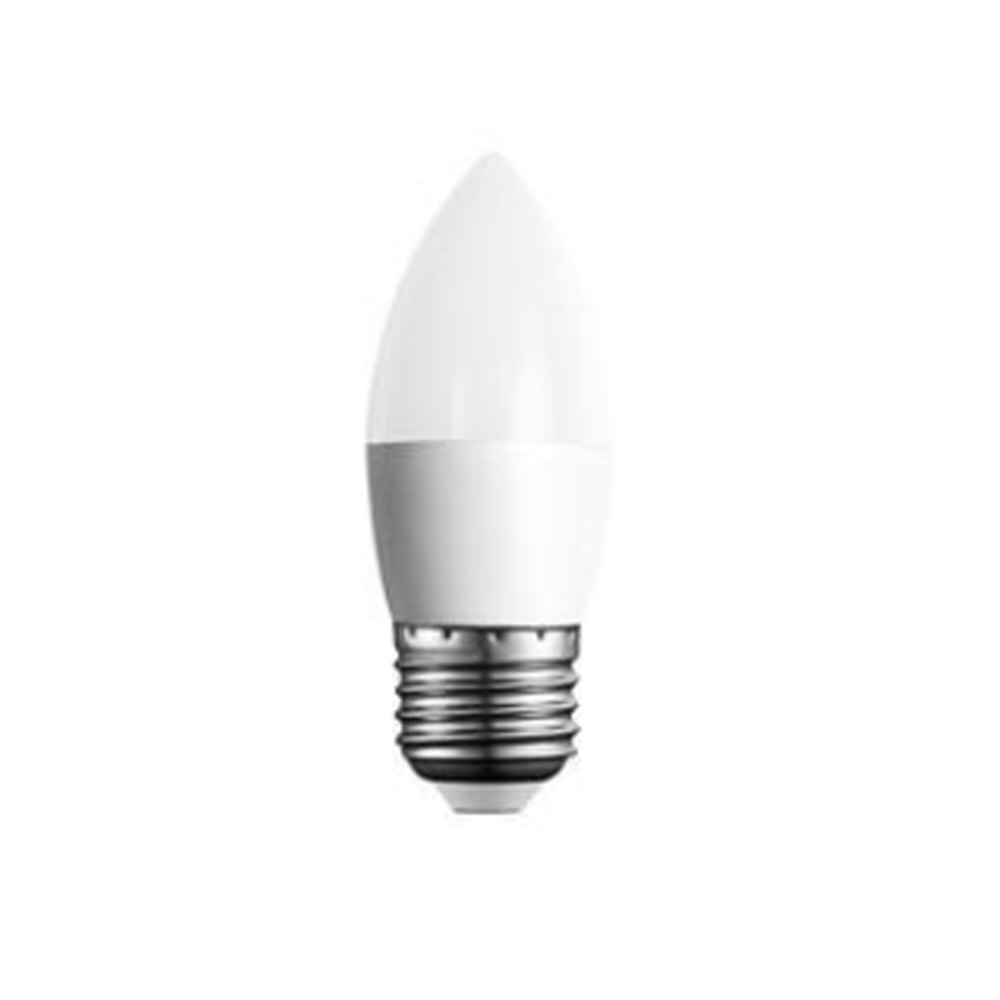
“Max 60 W” on a light fitting: what it means for LED bulbs
The “max 60 W” label on a light fitting is about heat, not brightness. Here is how to read it correctly when you fit LED bulbs.

How wall colour changes how bright a room feels
The same bulb can look bright in a white room and dull in a dark one. Here is how surface colour decides what happens to the light.
Why light fades so quickly with distance
Move a lamp twice as far away and the light on the surface drops not to a half but to a quarter. Here is what that means at home and at work.
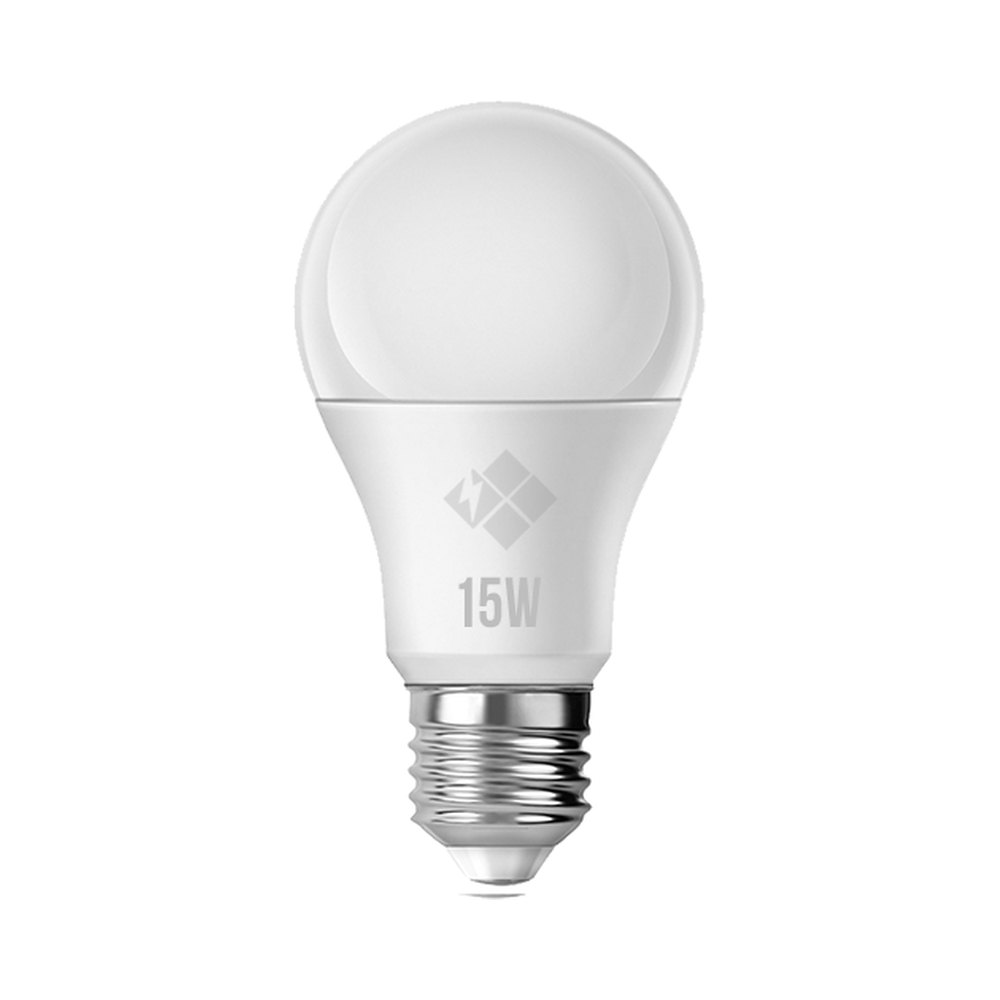
Does a lamp twice as powerful look twice as bright?
Doubling the lumens does not make a room look twice as bright. Knowing how the eye judges light helps you avoid disappointing bulb upgrades.
How much light do shades and diffusers swallow?
However much light a bulb gives, some of it stays inside the shade or diffuser. Here is what the loss depends on and how to keep it down.
Night lights: how little light is enough?
A night light is not there to light a room but to show the way. Here is how dim it should be, which colour works best and where to put it.
Lighting terms in one place: lumen, lux, candela, kelvin, CRI
Lumen, lux, candela, kelvin, CRI: a plain guide to the terms you meet on lamp packaging, and how they relate to one another, all in one place.
What kelvin means: colour temperature in plain words
The 2700K or 6500K on a lamp is not how hot it gets but a measure of its light colour. Here is where the kelvin scale comes from and how to read it.
4000K neutral white: where it works best
4000K sits between warm and cool. Here is where neutral white light works best, in homes and workplaces, and where it can feel too clinical.
Which colour temperature suits a bedroom
Bedroom lighting affects both winding down at night and waking up in the morning. Here is the right kelvin range and how to split the light into zones.

Light colour for the kitchen: warm, neutral or cool?
In a kitchen, light is both a working tool and part of a family space. How to pick the right colour for the worktop, the dining table and general lighting.
Colour temperature for offices: balancing focus and comfort
In an office, light colour affects focus, eye strain and the mood of the space. Here is how to justify the kelvin choice for different office zones.
What CRI (Ra) is: how faithfully light shows colours
CRI (Ra) tells you how true to life colours look under a lamp. Here is how the figure is calculated and how to use it when choosing lamps.
Ra 80 vs Ra 90: when high colour rendering is worth it
On paper Ra 80 and Ra 90 differ only slightly, yet in some places the eye sees it clearly. Here is when high colour rendering is genuinely worth having.
Does cool light in the evening affect sleep?
Bright, cool light in the evening can delay the body’s preparation for night. What the effect depends on and how to adjust lighting at home, in plain terms.

Can you mix bulbs of different colour temperatures in one room?
Mixing warm and cool bulbs in one room is not always wrong, but an unplanned mix looks untidy. Here is which combinations work and which do not.
2700K vs 3000K: a small gap or a visible change?
2700K and 3000K belong to the same “warm white” group, but side by side the difference shows. When that difference matters and how to choose between them.
How light colour changes the look of walls and furniture
The same paint looks different depending on the colour of the light. How light affects walls, furniture and textiles, and what to watch out for when redecorating.
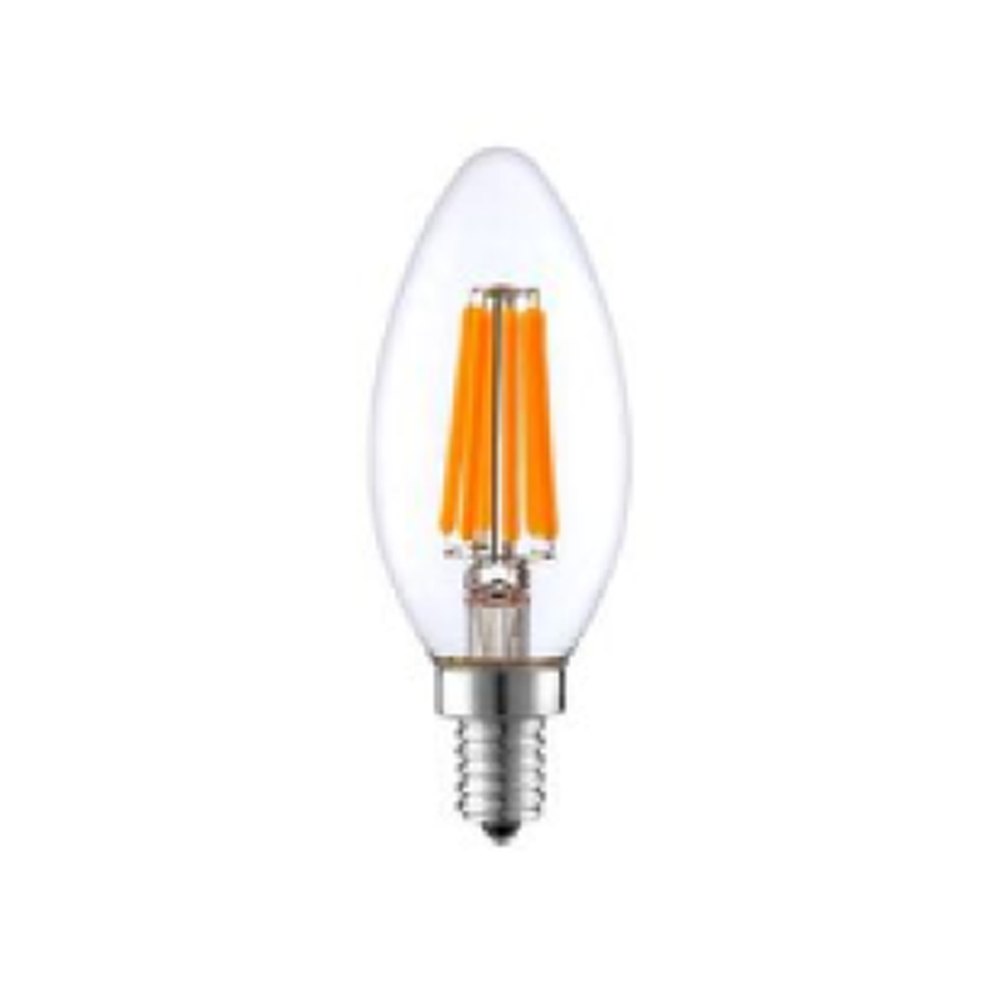
The amber glow of filament bulbs: what 2200–2700K gives you
Amber filament bulbs bring back the mood of old incandescent lamps using LED technology. Where this very warm light looks great and where it falls short.
Coloured LED bulbs: using them for celebrations and décor
Coloured LED bulbs can transform a festive evening, a child’s room or a terrace in moments. How to use them properly and safely.