
How much light do shades and diffusers swallow?
However much light a bulb gives, some of it stays inside the shade or diffuser. Here is what the loss depends on and how to keep it down.
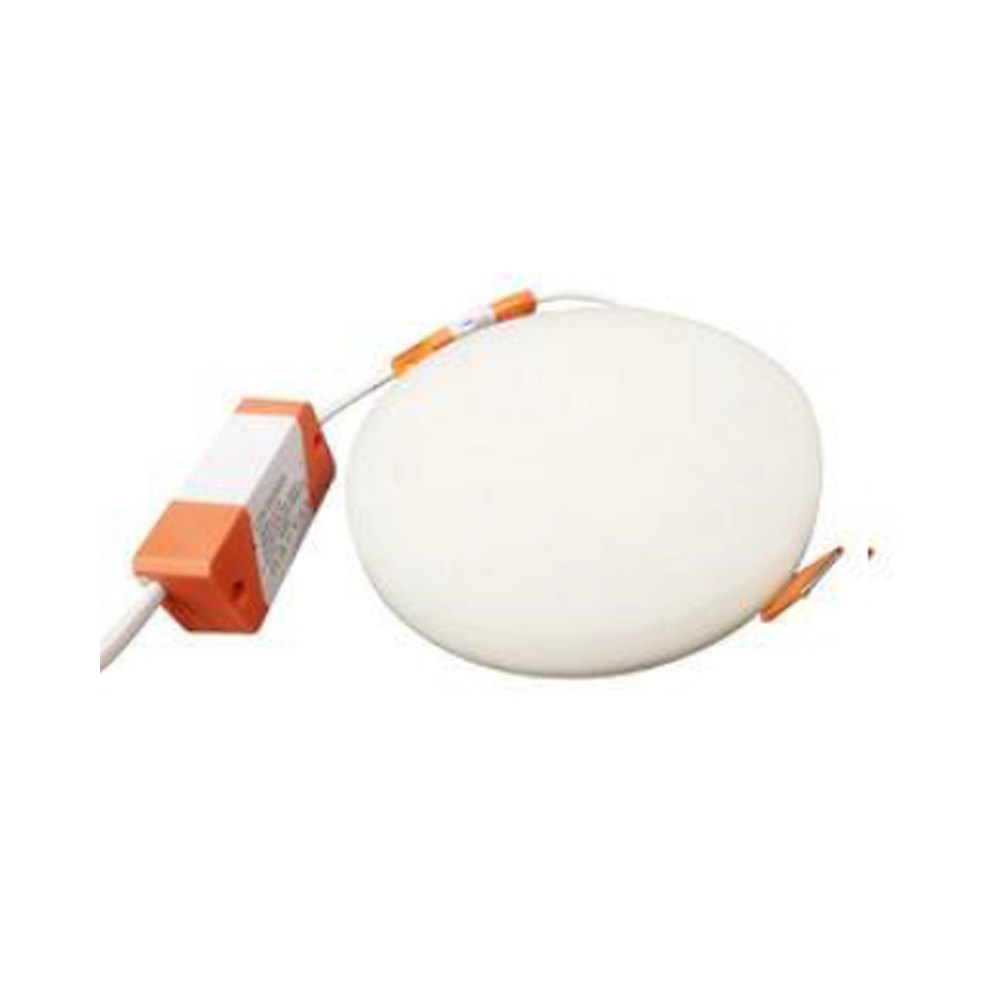
Straight out of the box, a new bulb looks dazzling. Fit it inside a thick milky shade on the ceiling and the room is duller than expected. That is no surprise: before the light reaches the room, it has to get through the fitting, and part of it is lost on the way.
Where light gets lost inside a fitting
Light leaving a bulb can do three things: pass through the glass or material, reflect off a surface, or be absorbed and turned into heat. Light that is transmitted, or reflected and eventually escapes, reaches the room. Absorbed light is gone.
The reasons for loss vary:
- Material density. Thick, multi-layer or dark material absorbs more light.
- Internal reflections. Inside a closed shade, light hits the inner surface of the glass several times before it leaves, losing a little each time.
- Inner surfaces of the fitting. A dark or matt metal body absorbs light instead of reflecting it. A white or polished reflector sends it out.
- Shape. If part of the light ends up in a "pocket" of the fitting with no way out, it stays there.
How materials compare
Exact figures depend on the product, but the general order is:
- Clear glass or clear plastic holds back very little, though the bulb is visible and may cause glare.
- Frosted glass softens light and loses a little more.
- Opal (milky) glass and plastic hide the bulb completely and spread light evenly, but keep back more of it. The thicker and milkier the material, the greater the loss.
- Prismatic diffusers scatter light while trying to direct much of it, and often lose less than opal materials.
- Fabric shades vary widely with colour and density. Thin pale fabric lets light through; dark thick fabric releases light mainly through its open top and bottom.
- Coloured glass not only reduces the amount of light but also changes its colour.
What a fitting's light output ratio means
Professional luminaire manufacturers often state a light output ratio, or LOR. It is the light coming out of the fitting as a percentage of the light produced by the lamp or lamps inside. The higher the percentage, the less the fitting loses. For integrated LED fittings, manufacturers usually give the fitting's output in lumens directly, a figure that already accounts for losses.
Household chandeliers rarely carry such a figure, so you have to judge by eye: how thick and milky the glass is, how deeply the bulb is hidden, and whether there is an open section for light to escape.
Losses that grow over time
A fitting loses least when it is new. Over the years two processes make things worse:
- Dust and insects. Dust and dead insects collecting inside open ceiling shades block part of the light. In kitchens a film of grease adds to it.
- Yellowing plastic. Some cheap plastic diffusers yellow and become brittle over time under heat and ultraviolet light. That both reduces light and shifts its colour towards warm.
Taking shades down and washing them once or twice a year is simple and makes a visible difference. Cleaning will not rescue a yellowed plastic diffuser, though; it needs replacing.
Practical takeaways
- If you choose a thick opal shade, plan for a bulb with more output than an open fitting would need.
- Check that the bulb sits centrally in the shade; a bulb too close to the glass creates a bright spot.
- For kitchens and work areas, open or clear-frosted fittings that hold back little light make more sense.
- In bedrooms and other places where comfort matters most, the soft light of opal and fabric fittings is worth the loss.
- If the inside of a shade is white or pale, part of the light reflects and escapes; a dark lining loses that chance.
- When buying a new fitting, ask to see it lit in the shop, because a catalogue photo does not show the loss.
When choosing bulbs for shaded fittings, you can filter the Zəfər İşığı catalogue by power and shape. If you have a question about your fitting, send an enquiry to Zaferoğlu Elektrik.
All news