
News
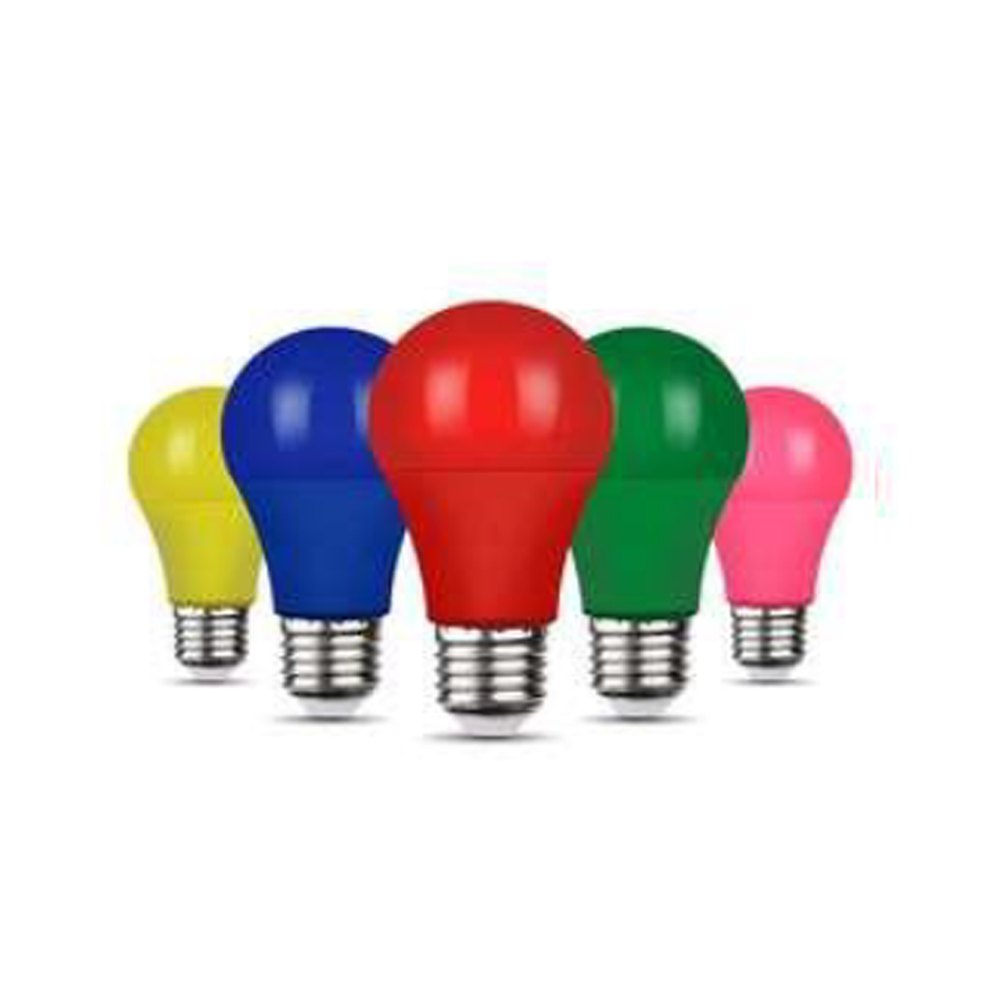
Which kind of light attracts fewer insects
How many insects gather around a porch light on a summer evening depends on the colour of the light and where it is placed. Which light attracts fewer of them.
“Daylight” bulbs: how close is 6500K to real daylight?
6500K “daylight” bulbs give cool white light, but they differ from real sunlight in several important ways. What those differences are and where the bulb is useful.
Is an ordinary LED bulb enough for houseplants?
For houseplants kept away from windows, an ordinary LED bulb sometimes helps and sometimes falls short. What really decides it: amount of light, distance and hours.
Lighting for photos and video at home: kelvin and CRI
In photos and videos shot at home, true colours and natural-looking faces depend on the colour, quality and position of the light. Simple setup rules explained.
The right light for mirrors and make-up
Whether make-up, shaving and hair turn out well at the mirror depends a great deal on where the light comes from and its colour. How to set up light that shows your face accurately.
How colour-tunable (CCT) lamps work
Colour-tunable lamps give you both warm and cool light from one fitting. What happens inside them and what to check when choosing one.
Matching light colour to the time of day
Waking up, working during the day and relaxing in the evening each call for different light. How to build a time-of-day lighting routine at home with simple means.
Why cool light seems brighter than warm light
Of two bulbs with the same lumens, the cooler one often looks brighter. Why this happens and how to take it into account when choosing lamps.
Making a small room look larger with light
You cannot change the size of a small room, but you can change how it looks with light. Ways to open up a space by lighting its walls, ceiling and corners.
Why bulbs with the same kelvin rating can look different
Bulbs labelled with the same kelvin can look like different shades side by side. The reasons, colour deviation, SDCM and Duv, explained in plain language.
Outdoor lighting and light pollution: why warmer tones are chosen
A glowing night sky, light spilling into a neighbour’s window and effects on wildlife are all forms of light pollution. Why warmer tones are chosen for outdoor lighting.
Why some LED light looks artificial
The light from some LED bulbs looks cold, pale or “plastic”. The technical reasons behind that impression and how to choose light that looks natural.
The R9 value: why reds can look dull under some lamps
Even a lamp with a high Ra rating can make reds look dull. What the R9 value measures and where it really matters.
Dim-to-warm bulbs: light that gets warmer as it dims
A dim-to-warm bulb shifts its colour towards amber as you lower the brightness. How it works, where it makes sense and what to check before buying.
How much energy an LED bulb saves: the logic behind the numbers
To judge savings properly you compare bulbs that give the same amount of light. Here are the steps of the calculation and the mistakes that skew it.
How to work out a bulb’s monthly kWh use
Two numbers are enough to find how much electricity a bulb uses in a month: its wattage and its hours of use. The formula, worked examples and how to check with a meter.
When does switching to LED pay for itself? A simple method
Payback time is the extra cost of the bulb divided by the yearly saving. The formula, the factors that change it and the logic for deciding which bulbs to swap first.
Switching lights off and on: myths about saving energy
The belief that switching on uses so much energy that turning lights off is pointless is widespread. We look at where each claim comes from and what holds true for modern bulbs.
Where motion-sensor lighting really saves energy
A motion sensor only lights a space when someone is there, but the benefit varies hugely by room. How sensors work, where they suit and the usual installation mistakes.
Making the most of daylight to use less artificial light
Many lights switched on during the day are really a sign of poorly distributed daylight. How windows, surfaces, furniture layout and controls can cut artificial light.
How to cut the energy an office spends on lighting
Office lighting runs long hours across many fittings, so the potential saving is large. The steps, from a simple audit to lamps, controls and habits.
Saving on shop-window and sign lighting that runs day and night
Shop-window and sign lighting often burns around the clock and takes a large share of a shop’s bill. Ways to cut consumption without losing visibility.
Controlling outdoor lights with timers and photocells
Outdoor lights switched by hand are either forgotten or left burning all night. How photocells, timers and a combination of the two work, plus installation details.
Does dimming actually save electricity?
Dimming a light reduces consumption too, but by how much depends on the lamp and the dimmer. The real effect of dimming incandescent and LED lamps, and the hidden losses.