
Why some LED light looks artificial
The light from some LED bulbs looks cold, pale or “plastic”. The technical reasons behind that impression and how to choose light that looks natural.
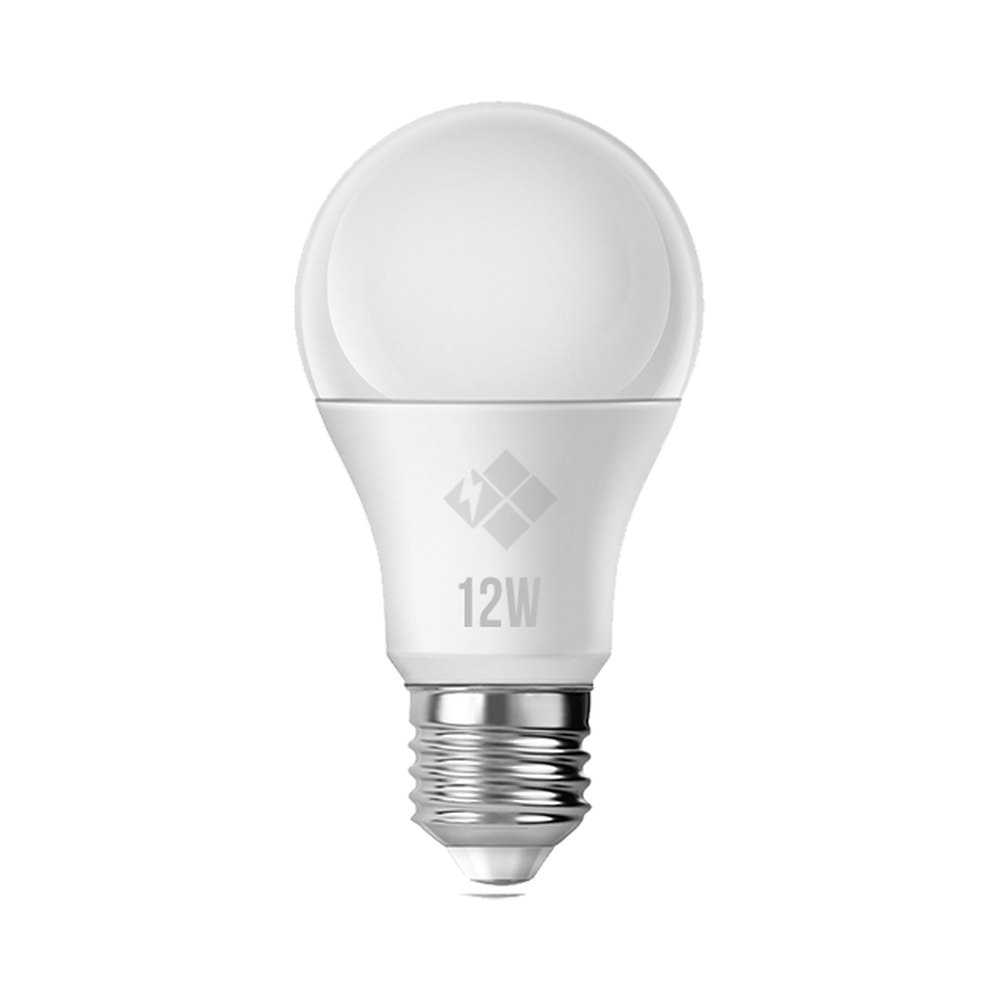
Many people who switch to LED bulbs say the same thing: “There's enough light, but something looks artificial.” The room feels like a hospital corridor, and faces look pale and tired. Compared with the light of an old incandescent bulb, the feeling is even stronger. But this is not an unavoidable feature of LED technology. It has specific technical causes, and most of them can be avoided when choosing a bulb.
Reason 1: colour that is too cool
This is the simplest and most common reason. Incandescent bulbs gave about 2700K, and homes grew used to that tone. Many early LED bulbs, however, were sold with cool 6000–6500K light. In the evening, cool light looks out of place in living spaces, drains skin tones and gives the room an “office” or “hospital” feel. Choosing 2700–3000K bulbs for living areas solves a large part of the problem.
Reason 2: poor colour rendering and spectral gaps
An incandescent bulb produces light with a broad, smooth spectrum in which every colour is present in natural proportions. A white LED creates light through a blue chip working with a phosphor on top of it. In cheap bulbs the phosphor has a simple composition, leaving gaps in the spectrum, especially in saturated red.
The result is visible:
- skin looks grey, pale or greenish;
- red apples, meat, wood and red fabric look dull;
- the whole scene looks somewhat “colourless” and flat.
The measure of this is the colour rendering index CRI (Ra), plus the separate R9 value for red. Bulbs below Ra 80 are the most likely to look artificial. In living spaces Ra 80 is the minimum, and Ra 90 is advisable for a more natural look.
Reason 3: a greenish or pinkish tint
The light of a bulb with a given kelvin rating can deviate slightly from the ideal white-light line towards green or pink. A greenish tint is particularly unsettling: people often cannot name it but feel that “something is off”. Good bulbs keep this deviation small. Having bulbs with different tints in the same zone also makes light look more artificial.
Reason 4: flicker
In some LED bulbs the driver does not deliver current smoothly, and the light dims and brightens many times a second. The eye may not see this directly, but the brain senses the instability: the eyes tire, sometimes a headache follows, and the light feels “uneasy”. A smartphone camera aimed at the lamp will reveal flicker as dark stripes moving over the image. Flicker increases especially when bulbs are dimmed or connected to an incompatible dimmer.
Reason 5: point brightness and shadows
The filament of an incandescent bulb was small, but its light usually passed through a frosted bulb or a shade. In LED bulbs, light comes from very small, very bright points. In clear or poorly diffused fittings these points are directly visible, causing glare and sharp, multiple shadows. A frosted bulb, an opal diffuser and fittings that aim light at walls and ceilings make light look softer and more natural.
Checklist for natural-looking LED light
- A colour temperature of 2700–3000K for living spaces.
- Ra 80 as a minimum; Ra 90 where possible for the kitchen, mirror and living room.
- The same model and batch of bulbs within one zone.
- A frosted bulb or a well-diffused fitting.
- A flicker test with a phone camera.
- If there is a dimmer, compatibility clearly stated on the box.
- A way to reduce the amount of light in the evening, such as local lamps or adjustable brightness.
The easiest way to apply the list is to start with one room. Pick the room where you spend your evenings, swap its bulbs with these points in mind and give it a week before judging. If you feel the difference, it becomes easy to apply the same approach elsewhere, because you already know which figures matter to you.
LED light that meets these criteria is often hard to tell apart from incandescent light, while using far less electricity. In other words, the “artificial light” problem comes less from the technology itself than from a poorly chosen bulb.
You can send questions about the technical characteristics of the Zəfər İşığı lamps that Zaferoğlu Elektrik makes in Ganja through the enquiry form on the website, and roughly compare colour tones in the site's simulator.
All news