
Matching light colour to the time of day
Waking up, working during the day and relaxing in the evening each call for different light. How to build a time-of-day lighting routine at home with simple means.
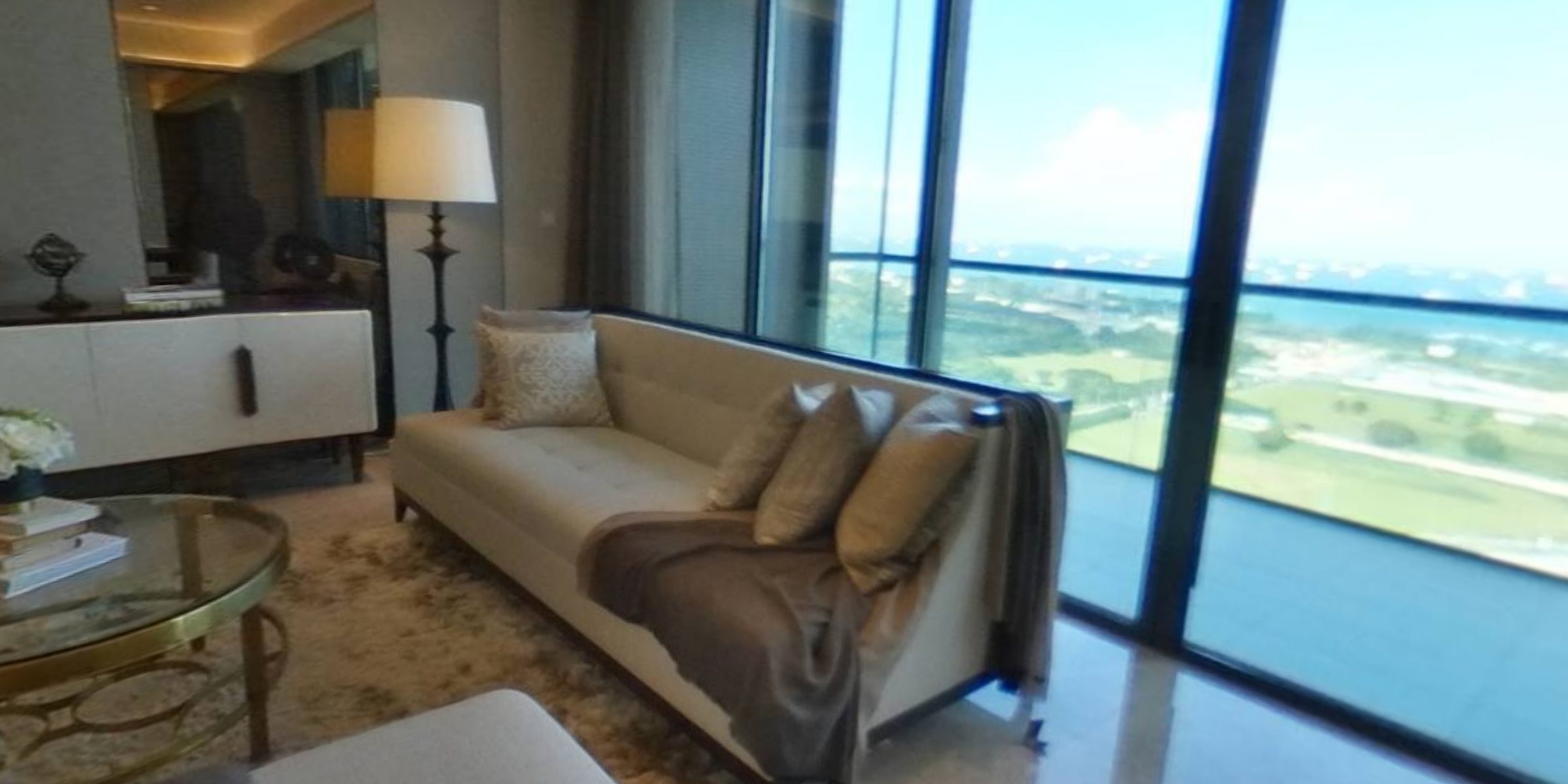
Natural light changes constantly through the day: morning sun is warm and soft, midday light is strong and white, and in the evening it warms again and gradually fades. Human bodies have adapted to this rhythm over thousands of years. At home, though, the same lamp often gives the same light all day. Matching light to the time of day adds comfort and supports the day–night rhythm, and it does not require an expensive system.
In a simplified approach, the day can be split into four parts:
- morning: waking up, getting ready, breakfast;
- daytime: work, study, household tasks;
- evening: family time, dinner, relaxing;
- night: the hour before bed and getting up during the night.
Each period expects something different from light, so both its colour and its amount should change.
Morning: clear, but not harsh
In the morning the goal is to help you wake up. Light should be reasonably bright. For colour, a neutral tone (about 4000K) works well: not as sleepy as warm light, not as harsh as cool light. On winter mornings, when it is still dark outside, clear neutral light in the kitchen and bathroom is especially helpful.
The best “morning light”, though, is still daylight. Opening the curtains and having breakfast by the window whenever possible has a stronger effect than any lamp.
Daytime: work and matching daylight
During the day, artificial light mainly fills in where window light does not reach. Two rules matter: the light should not contrast sharply with daylight, and there should be enough of it where work is done. Neutral or slightly cool light (4000–5000K) blends well with window light during the day. At a home office or a child's homework desk, a neutral tone helps maintain focus.
Evening: warmer and less
After sunset, two properties of light should change. First, the colour should warm up to 2700–3000K. Second, the amount of light should drop. The most common evening mistake is running every ceiling light at full brightness. Instead:
- turn the overhead light off and let floor, table and wall lamps take over at a lower height;
- keep a warm pendant over the dining table and a reading lamp by the sofa;
- in the kitchen, turn off the task lighting once the work is done.
When evening light dims gradually rather than all at once, the transition feels more natural.
Night: minimum light
In the last hour before sleep, it is best to keep only soft, warm light in the bedroom. When getting up to go to the bathroom or kitchen at night, a very dim, warm floor-level night light disturbs sleep far less than a bright ceiling light. Small motion-sensor night lights are handy for this in a hallway.
Building a routine with ordinary lamps
You can reflect the rhythm of the day without a smart system. The key is to have several light sources in each room, in different colours and at different heights:
- general ceiling light: neutral, for morning and daytime;
- local lamps: warm, for the evening;
- a night light: very dim and warm.
Depending on the time of day, you simply switch on a different light. This approach is cheap, reliable and needs no extra technology.
Tunable lamps and automation
Colour-tunable (CCT) lamps and smart home systems let you automate the routine: neutral light at a set time in the morning, gradual warming at sunset, minimum brightness at midnight. It is convenient, but a few points need attention:
- all the lamps in a room should be on the same system, or the colours will mix;
- the automatic schedule has to match the family's real routine, or the light will change at the worst moment;
- manual control should remain possible, so you can still switch the light on when the internet or the app is down.
A simple plan to get started:
- Add one warm local lamp in the room where you spend most evenings.
- Make sure the kitchen and bathroom have clear neutral light for the morning.
- Put a dim, warm night light in the bedroom.
- Try a week or two of evenings without the overhead light and see how you feel.
To picture morning, midday and evening tones before buying, try the kelvin slider on the Zaferoğlu Elektrik site, which shifts a sample room between them.
All news