
Making a small room look larger with light
You cannot change the size of a small room, but you can change how it looks with light. Ways to open up a space by lighting its walls, ceiling and corners.
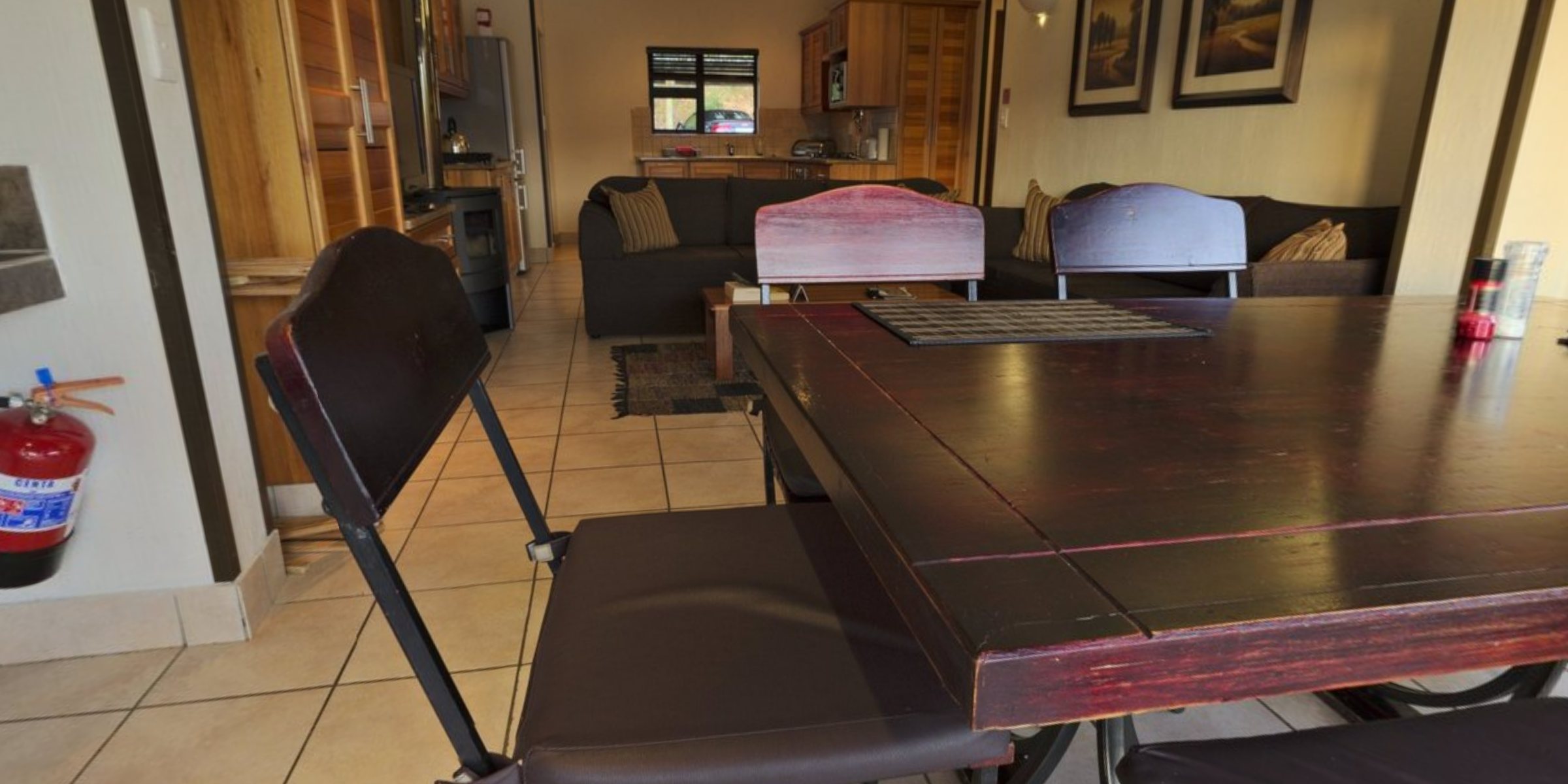
A small bedroom, a narrow hallway, a kitchen with a small window: in these spaces a single lamp often hangs in the middle of the ceiling, and the room looks even smaller. The reason is simple: we read a room as larger when its walls, corners and ceiling are well lit. Dark corners and shadowy walls pull the boundaries in. Distributing light well can make the same room look noticeably more open.
How the eye “measures” space
When the brain estimates a room's volume, it looks at how bright the surfaces are. Bright walls seem to recede, while dark walls seem close. Light that is bright in the middle and dark at the edges creates a “tunnel” effect: attention goes to the pool of light in the centre, the walls disappear into shadow, and the space shrinks.
So in a small room the goal is not just more light, but light directed onto vertical surfaces, the walls, and onto the ceiling.
Lighting the walls
Light on the walls “pushes” the room's boundaries outwards. Some practical ways to do it:
- wall lights that throw light both up and down, lighting the wall and the ceiling;
- spots near the ceiling aimed at the wall, or a linear light that washes the wall evenly;
- hidden lighting inside shelves or a bookcase, which creates a sense of depth;
- lighting two opposite walls, especially in a narrow hallway, which visually increases the width.
In a hallway, lights placed near the walls look more spacious than a single row of lamps down the centre of the ceiling.
“Raising” the ceiling
A low ceiling makes a room feel compressed. Lighting the ceiling lifts it visually:
- an uplighting floor lamp or wall light creates a soft pool of light on the ceiling;
- a hidden linear light behind a cornice softens the boundary between ceiling and wall;
- choosing a flat fitting close to the ceiling instead of a large hanging chandelier saves space.
The ceiling colour matters too: a white or very light ceiling reflects light, while a dark one absorbs it and seems to come down.
Getting rid of dark corners
Corners are the parts of a small room that get “swallowed” most. One or two small light sources solve the problem: a floor lamp in the corner, a small lamp on a shelf or hidden light behind furniture. The light does not need to be bright; the main aim is that the corner does not stay completely dark.
Using several low-output sources instead of one powerful lamp gives a small room both more even light and less glare.
Colour temperature and surfaces
The colour of the light also affects the sense of space. Neutral and slightly cool light (3500–4000K) makes surfaces seem further away and the room more open. Very warm light (2700K) makes a room cosy but more compact. In a small room, choose by function: in a hallway, bathroom or study, a neutral tone strengthens the feeling of space, while a bedroom can keep warm light for comfort, as long as it is combined with wall and ceiling lighting.
Surface qualities matter as well:
- light-coloured, matt walls spread light evenly;
- a large mirror deepens the room by reflecting a lit wall, but seeing the lamp itself in the mirror causes glare;
- glossy furniture fronts create hotspots, while matt surfaces look calmer.
Common mistakes in small rooms
- One strong central light that leaves the corners in shadow.
- A large, low-hanging chandelier under a low ceiling.
- Very dark, dense lampshades that absorb most of the light.
- A mix of differently coloured bulbs in one room, which “breaks up” the space.
- A bare lamp facing a mirror, which creates glare instead of a sense of space.
To plan, walk into the room in the evening and ask: which wall is darkest, is the ceiling lit, can you see the corners, and does the light come from one point or several? Usually adding one wall light and one corner lamp is enough as a first step, and the difference is felt immediately.
In a small room, Zəfər İşığı E14 bulbs can go into wall lights and compact fittings, and E27 bulbs into the ceiling light. When planning the lamps for a small room, you can filter the catalogue by the caps you need.
All news