How to cut the energy an office spends on lighting
Office lighting runs long hours across many fittings, so the potential saving is large. The steps, from a simple audit to lamps, controls and habits.
In many offices the lights go on when the first person arrives and off when the last one leaves, and sometimes not even then. Unlike a home, an office has lots of fittings, long operating hours, and nobody who sees switching off as their personal job. Those three factors make office lighting one of the most promising areas for saving energy. The steps below work for anything from a small office to a whole floor.
Step one: know what is on, and where
A saving plan starts with a simple list. For each room and zone, record:
- the type and number of fittings, how many lamps each holds and their wattage;
- when the lights usually go on and off;
- what happens at weekends and on public holidays;
- whether there is daylight and how far the area is from the windows;
- staff complaints: too bright, glare, flicker or dark corners.
The list reveals both the zones that use the most energy and the spaces lit for no reason. It often turns out that corridors, archives and meeting rooms burn empty all day.
Moving old fittings to LED
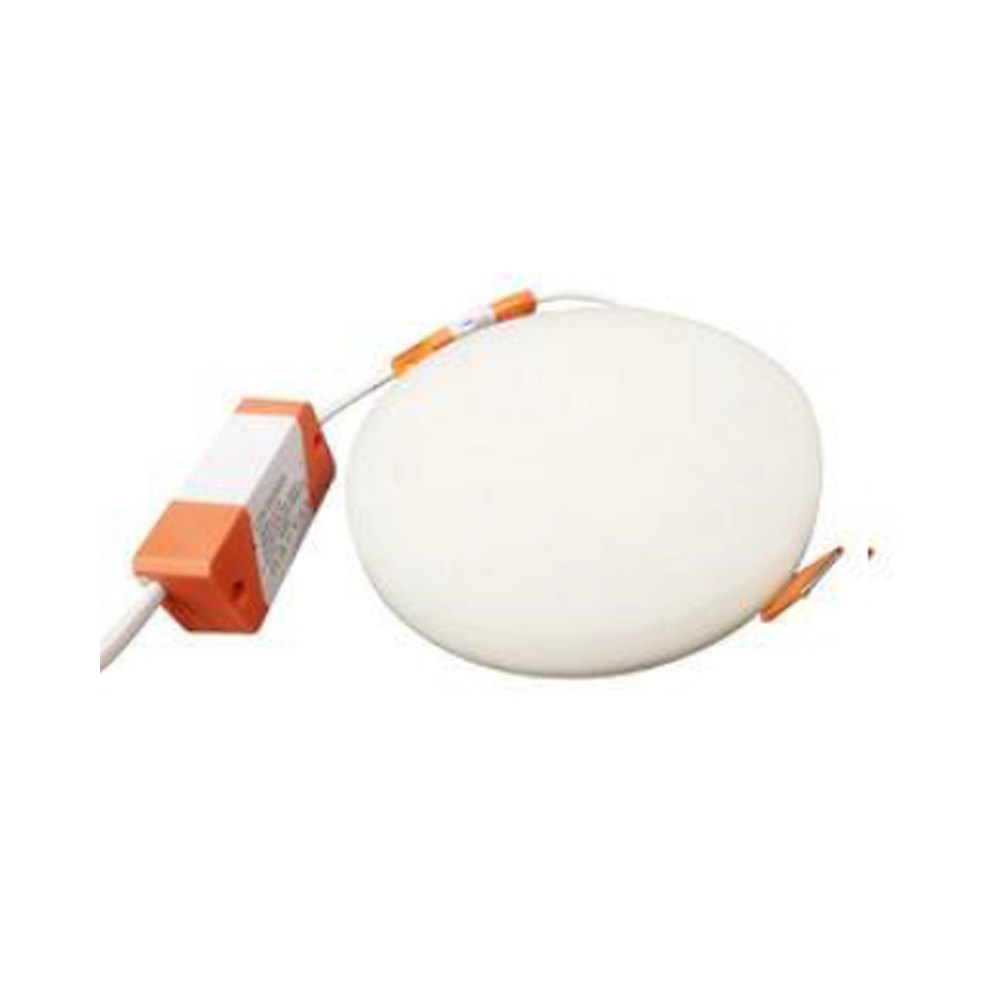
Many offices still run square ceiling-grid fittings with four fluorescent tubes. On top of the tubes’ own wattage there are the losses of the electromagnetic ballast. Replacing them with LED panels of the same size usually cuts consumption significantly and also gets rid of flicker and ballast hum.
There are two routes: replace the whole fitting with an LED panel, or keep the housing and swap the fluorescent tubes for LED tubes. The second looks cheaper but may require rewiring the fitting, such as removing the ballast or starter. That work must be done by an electrician, and it must be clear which tube is designed for which wiring arrangement.
Removing light you do not need
Saving is not only about lamp type but about quantity. The widely used European standard EN 12464-1 recommends around 500 lux on the work surface for writing, reading and computer work. Corridors and support areas need considerably less.
Older fluorescent layouts were often designed with a generous margin of extra light. When moving to LED, measuring light levels and removing surplus fittings, rather than mechanically replacing each one like for like, brings additional savings. A simple measurement with an inexpensive lux meter is a good starting point.
Keeping general lighting slightly lower and giving desk lamps to those who need them also works well: everyone gets the light they need at their own desk without over-lighting the whole room.
Controls: let the system switch off, not people
The biggest loss in an office is light burning in empty spaces. There are several remedies:
- Lighting zones. Put the window row, the middle and the inner zone on separate switches. On a sunny day the window row can stay off.
- Presence and absence sensors. Good for meeting rooms, toilets, archives and kitchens. In open-plan areas an absence mode is more comfortable: people switch on, and the system turns lights off once the zone is empty.
- Daylight dimming. With dimmable fittings, a light sensor automatically dims the rows nearest the windows.
- Scheduled switch-off. A timer turns off general lighting after hours, with a local override for anyone working late.
Habits and maintenance
Technology does the heavy lifting, but people still matter. The last person out checking the lights, a reminder to switch off when leaving a meeting room, and cleaners lighting only the zone they are working in are simple but effective habits.
Clean fittings matter too. A dusty diffuser absorbs part of the light, and staff then ask for extra lamps because it “feels dark”. Scheduled cleaning means more light for the same consumption.
Measuring the result
Compare several months of electricity bills before and after the changes, and if possible monitor the lighting circuit with a separate meter. The result confirms whether the investment was right and helps plan the next steps.
For offices, Zəfər İşığı has E27 LED bulbs for corridors and back rooms and powerful T-shaped lamps for open halls. For a larger office upgrade, a quote for the whole bulb list can be requested from the company.
All news