
Switching lights off and on: myths about saving energy
The belief that switching on uses so much energy that turning lights off is pointless is widespread. We look at where each claim comes from and what holds true for modern bulbs.
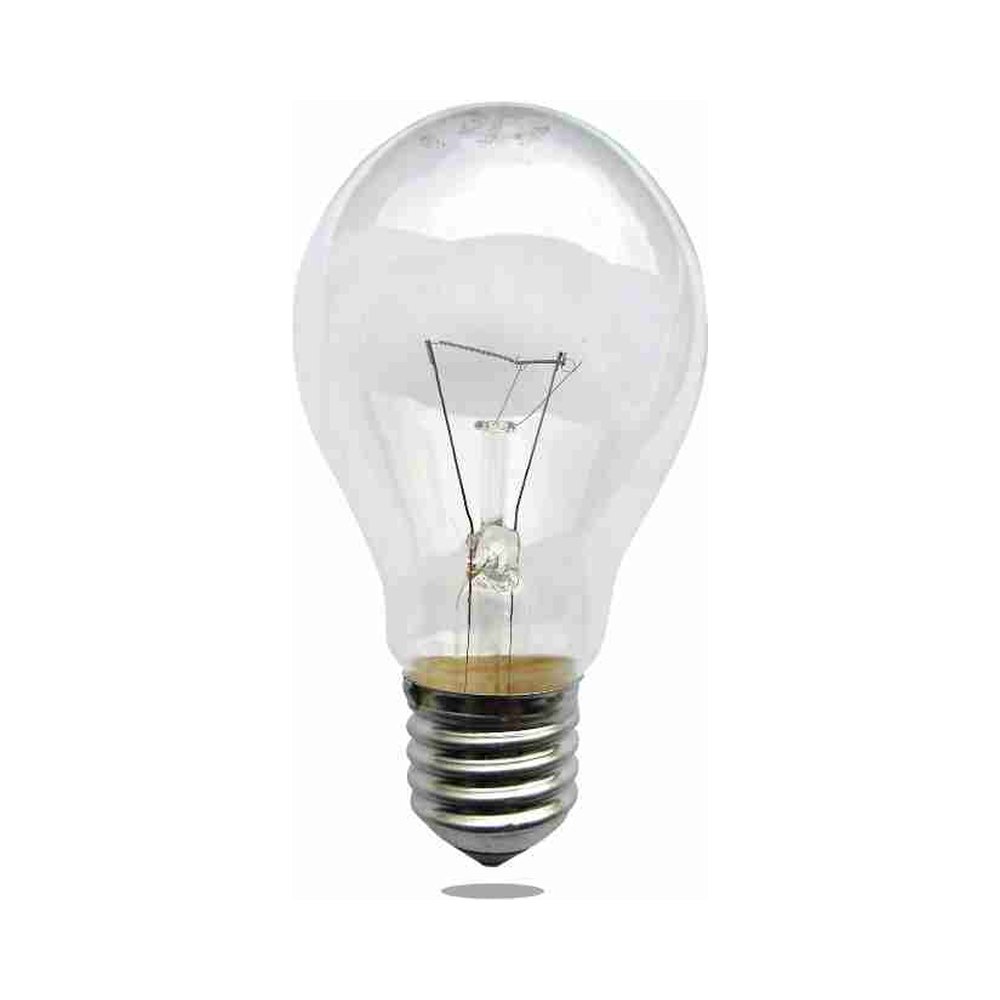
Should you turn the light off when you leave a room for a few minutes? It is no surprise this sparks family arguments: one person says always switch off, another insists switching on uses more, so leave it. Some of these ideas are leftovers from older technologies and some were never true. Let us check them one at a time.
Myth 1: “Switching on uses a lot of energy”
This is the most common claim. It is true that some bulbs draw a higher current for a brief moment when switched on. An incandescent filament has low resistance when cold, and the capacitor in an LED driver has to charge. But this lasts a small fraction of a second.
Energy is power multiplied by time. The brief surge does not add up to even a few seconds of the bulb’s normal operation. So switching off even for a minute saves energy. In short, this myth has nothing to do with your bill.
Myth 2: “Switching often ruins the bulb”
This one has a basis, but it depends on the type of lamp.
- Fluorescent lamps (tubes and compact spirals) really do age faster when switched frequently: each start wears the coating on the electrodes a little. That is why people used to be told not to switch them off for short breaks.
- Incandescent bulbs often fail at the moment of switch-on, because the cold filament heats suddenly. But this simply brings forward the end of a bulb that is already near the end of its life; it does not create a new fault.
- LED bulbs are not significantly worn out by switching. Their lifespan depends far more on operating temperature and the quality of the driver. Switching lights on and off dozens of times a day is a normal duty cycle for a modern LED bulb in a home.
An LED that overheats in an enclosed or poorly ventilated fitting, on the other hand, may fail early however rarely you touch the switch. When thinking about lifespan, look at heat rather than the switch.
Myth 3: “LEDs use so little that switching off is unnecessary”
LEDs do use little energy, but not zero. Every bulb left burning in an empty room shows up on the bill. One 9 W bulb changes little, but dozens of them left on in empty rooms overnight in a home or office add up to noticeable kilowatt-hours.
The “it uses so little” mindset also leads to another habit: adding more light points and leaving them on for longer. Part of the saving LED delivered is then quietly lost. Offices show this especially often: after the working day ends, a whole floor stays lit until morning because nobody sees switching off as their job.
Myth 4: “A smart bulb uses nothing when it is off”
A smart bulb switched off from an app or by voice command is not actually disconnected. It keeps its Wi-Fi or other wireless link alive so it can receive the next command. That standby draw is small but continues around the clock, all year. Once the wall switch is off, a plain LED bulb is cut off from the supply completely.
Practical rules
A few simple conclusions follow:
- Turn LED and incandescent bulbs off when you leave a room, however short the absence.
- If you still use old fluorescent tubes, leaving them on for a break of a few minutes can protect the lamp; for longer absences, switching off is better.
- In places where lights are often forgotten, such as hallways, storerooms and bathrooms, let a motion sensor or timer do the switching rather than relying on habit.
- Teaching children to switch off when leaving a room is the cheapest saving there is.
When a light should stay on
Saving energy should not come before safety. A low night light on the stairs, in the hallway of a home where elderly people live, or in a child’s room reduces the risk of falls. A low-wattage LED night light or a dim motion-activated light is both safe and economical in these spots.
Zəfər İşığı bulbs from Ganja are plain LED lamps run from a wall switch, so turning them off when you leave a room causes them no noticeable harm in normal household use. To see how much each light in your home consumes, try the savings calculator on this site.
All news