
When does switching to LED pay for itself? A simple method
Payback time is the extra cost of the bulb divided by the yearly saving. The formula, the factors that change it and the logic for deciding which bulbs to swap first.
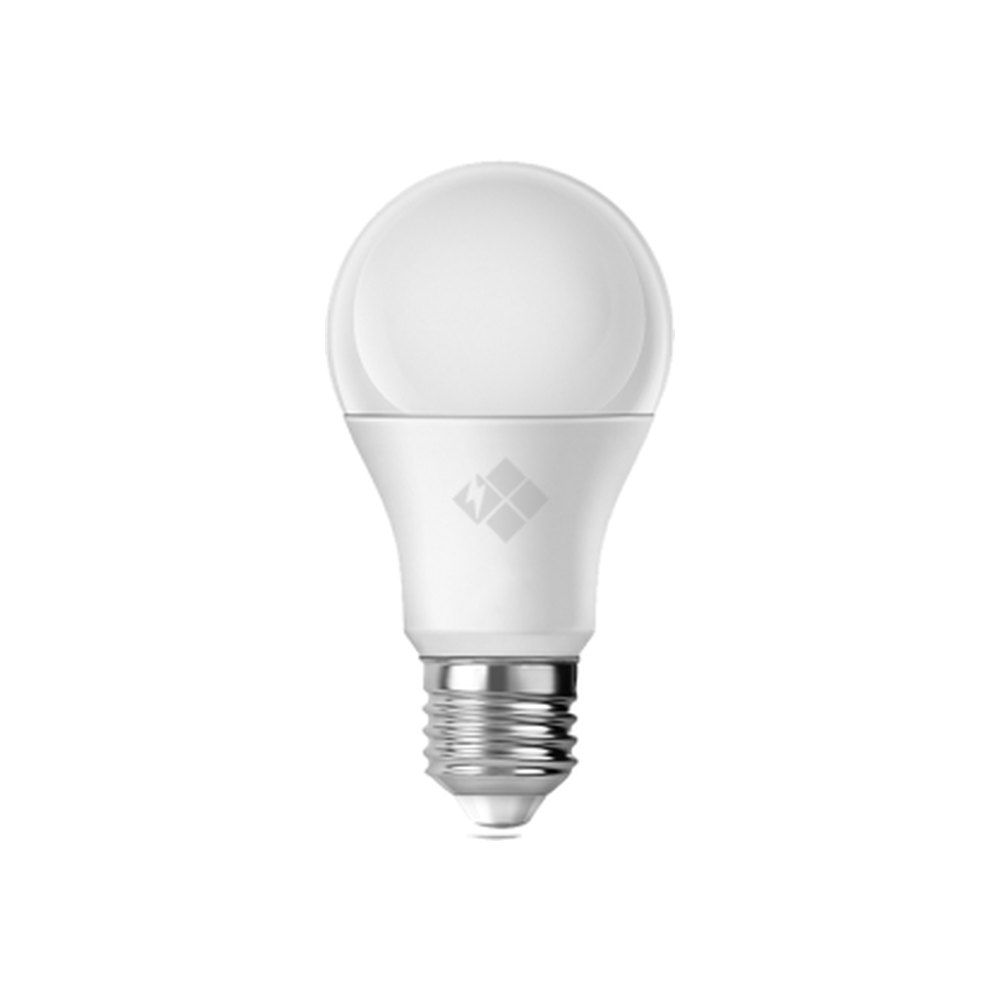
The decision to buy LED bulbs often stalls on one question: “The old bulb still works, is it worth spending money on a new one?” You can answer that with simple arithmetic rather than instinct. Payback time tells you how many months or years it takes for lower electricity bills to recover what you spent.
The payback formula
The core calculation is:
payback time (years) = extra cost ÷ yearly saving (in money)
Two terms need to be defined carefully.
Extra cost is what the switch to LED costs you. If the old bulb has died and you would be buying a replacement anyway, the extra cost is the price difference between the LED and the old type of bulb. If you are replacing a bulb that still works, it is the full price of the LED. If you also need a new fitting, an adapter or an electrician, add those too.
Yearly saving is the wattage difference multiplied by the yearly hours of use, then by the tariff:
yearly saving = (old watts − new watts) × hours per day × 365 ÷ 1000 × tariff
Hours of use change everything
The same two bulbs can show completely different payback times in different places. In a living room light that runs six hours a day, the wattage difference applies for 2,190 hours a year. In a storeroom light used ten minutes a day, it is about 60 hours. The saving in the second case is more than thirty times smaller, and the payback stretches accordingly.
That is why a single general payback figure is misleading. Use the real hours for each light. The practical rule is simple: the longer a light is on, the faster switching pays off.
Benefits the formula leaves out
The basic formula only counts the electricity bill. In reality other factors come in:
- Replacement frequency. Incandescent bulbs fail relatively quickly, while LEDs usually last much longer. The old-style bulbs you no longer need to buy are also a saving.
- Labour and access. Changing a bulb on a high ceiling, a stairwell or a façade needs a ladder and sometimes a tradesperson. Fewer replacements matter most there.
- Effect on air conditioning. Incandescent and halogen lamps release a lot of heat. In hot weather that heat can make the air conditioner work harder; in cold weather it slightly warms the room. Weigh this factor cautiously in both directions.
These benefits are hard to price exactly, but they usually tip the decision further towards LED.
Switching in a sensible order
There is no need to change every bulb in one day. Run the figures and a few long-burning lamps usually account for the bulk of the payback. A sensible order:
1. The longest-running, highest-wattage lights: kitchen, living room, outdoor and hallway lights.
2. Ceilings full of halogen spots, where the number of lamps is high.
3. Any bulb that fails, since replacing it with LED adds little extra cost.
4. Rarely used places such as storerooms, basements and occasional accent lights, last.
This way the money goes first where it comes back fastest.
A worked example without prices
Say a 60 W incandescent bulb is replaced by a 9 W LED and runs five hours a day. The difference is 51 W and the yearly saving is roughly 93 kWh. Take your own tariff and multiply it by 93: that is the yearly saving. Divide the LED’s price by that figure. If the result is below one, the bulb pays for itself in under a year.
If the same bulb is on for half an hour a day, the yearly saving drops to about 9 kWh and the payback period is ten times longer. Running the numbers with your own tariff is the most reliable approach.
When not to rush
Sometimes a planned switch makes more sense: if the fitting will be replaced soon as part of a renovation, if compatibility with a dimmer or sensor is unclear, or if the light is used very rarely. In those places, waiting until the old bulb fails is a perfectly rational choice.
For a quick estimate, the site's savings calculator only asks how many bulbs you have, how long they burn and what you pay per kWh. Doing the sum for Zəfər İşığı bulbs? Take each model's wattage from the catalogue and plug it into the formula.
All news