
Making the most of daylight to use less artificial light
Many lights switched on during the day are really a sign of poorly distributed daylight. How windows, surfaces, furniture layout and controls can cut artificial light.
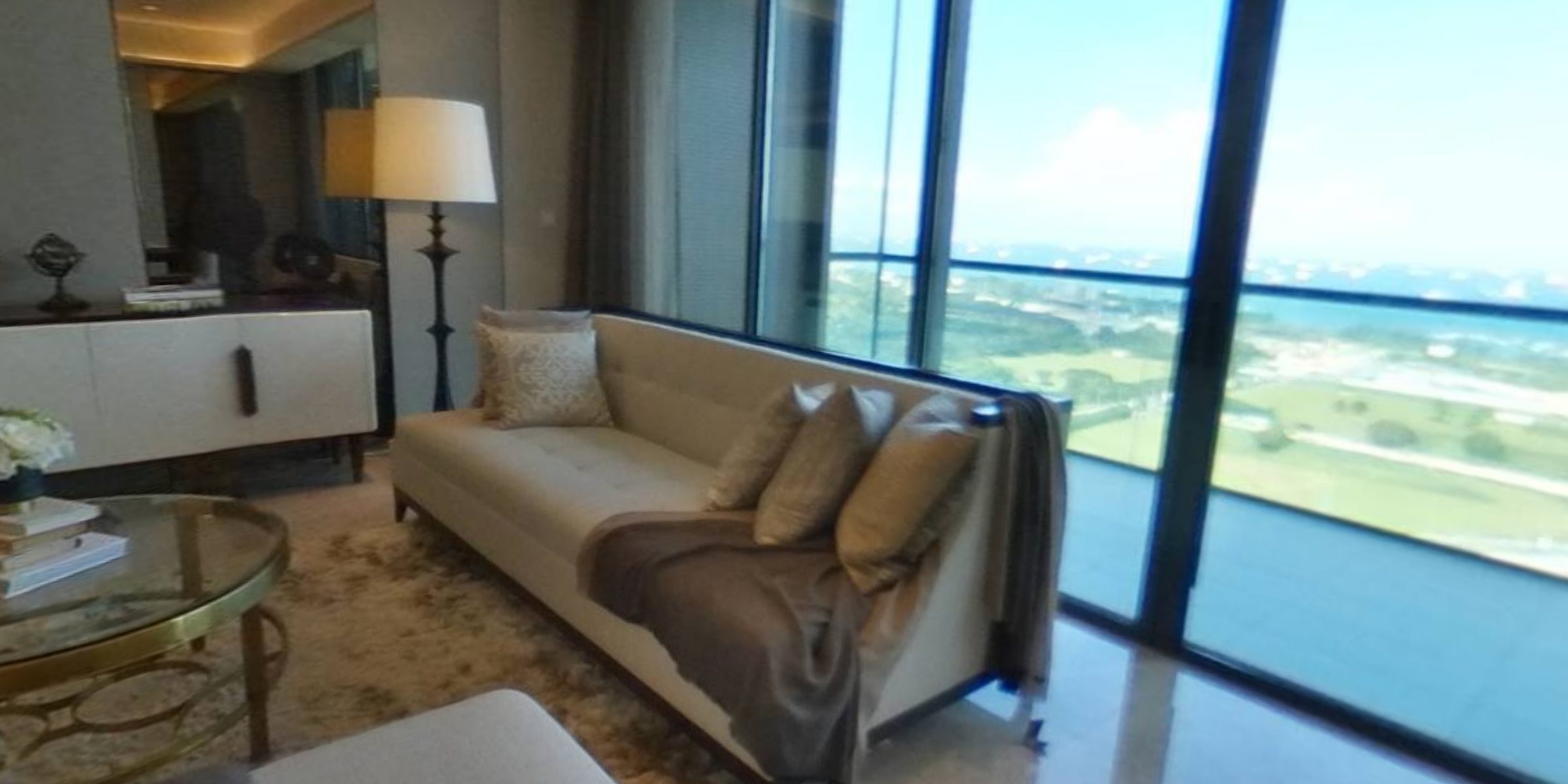
A ceiling light burning at midday in a room with the curtains drawn is a familiar sight in homes and offices. Even the most efficient bulb uses more than one that is switched off. Daylight costs nothing, renders colours well and supports the body’s daily rhythm. Getting it deeper into a room rarely needs building work; a few habits and good choices are usually enough.
Why daylight does not reach the back of a room
Light from a window weakens quickly with distance. Next to the window there may be more than enough light to read, while at the back wall a lamp is needed at the same moment. The eye dislikes this contrast too: against a bright window, the back of the room looks darker than it is, and people reach for the switch by reflex.
So the goal is not simply “more daylight” but spreading it evenly through the room.
Start at the window
The first steps are also the cheapest:
- Keep the glass clean. Dust and grime noticeably reduce the light coming through, especially in cities and buildings next to busy roads.
- Clear the window zone. Large plants, tall objects and stacked boxes on the sill or right in front of it block the most valuable part of the light.
- Layer your curtains. Pair heavy blackout curtains with light, translucent sheers or blinds. When the sun is harsh, sheers diffuse the light instead of plunging the room into gloom.
- Tilt blind slats upwards. Angled upwards, horizontal slats bounce sunlight onto the ceiling and deeper into the room while shielding eyes from direct glare.
Surfaces either absorb light or pass it on
Light entering a room spreads by reflecting off walls, ceiling and floor. Light, matt surfaces send much of it back into the room; dark surfaces absorb it.
- A white or very pale ceiling is the most effective step, because the ceiling redistributes light reflected upwards from the window.
- A light-coloured wall opposite the window brightens the back of the room considerably.
- Dark floors and furniture soak up light. There is no need to change everything, but a pale rug or desktop makes a difference.
- A mirror placed to the side of a window can send light into a dark corner. Position it so it does not reflect sunlight straight into anyone’s eyes.
Arrange furniture around the light
A desk placed side-on to the window works best: light falls from the side, with fewer reflections on the screen and less glare. For a right-handed person, having the window on the left keeps the hand’s shadow off the page. Sitting with your back to the window casts shadows; facing it tires the eyes.
Put tall wardrobes and shelving along walls where they will not block the light’s path. In open-plan homes, glazed or low partitions let daylight reach inner zones.
Make artificial light work with daylight
To really benefit from daylight, artificial lighting has to be set up to match:
- Separate switches by zone. The light by the window and the light at the back of the room should not share a switch. In daytime, lighting only the back zone is often enough.
- Light-level sensors. Offices and large spaces use systems that dim or switch off fittings when daylight is sufficient. At home, a hallway light controlled by a simple photocell follows the same logic.
- Dimmers. On a cloudy day full output may not be needed; with a dimmable system you can add only as much light as daylight lacks.
Daylight has limits too
Using daylight well also means knowing when to hold it back. Summer midday sun through south-facing windows heats a room and makes the air conditioning work harder. External awnings, blinds or curtains that let light through while cutting heat are the better answer there. The aim is a room that is both bright and comfortable.
After sunset, the quality of artificial light takes over. Before choosing the colour temperature of LED bulbs from the Zəfər İşığı catalogue, you can compare how the same room looks in warm and cool light using the simulator on this site.
All news