
Does dimming actually save electricity?
Dimming a light reduces consumption too, but by how much depends on the lamp and the dimmer. The real effect of dimming incandescent and LED lamps, and the hidden losses.
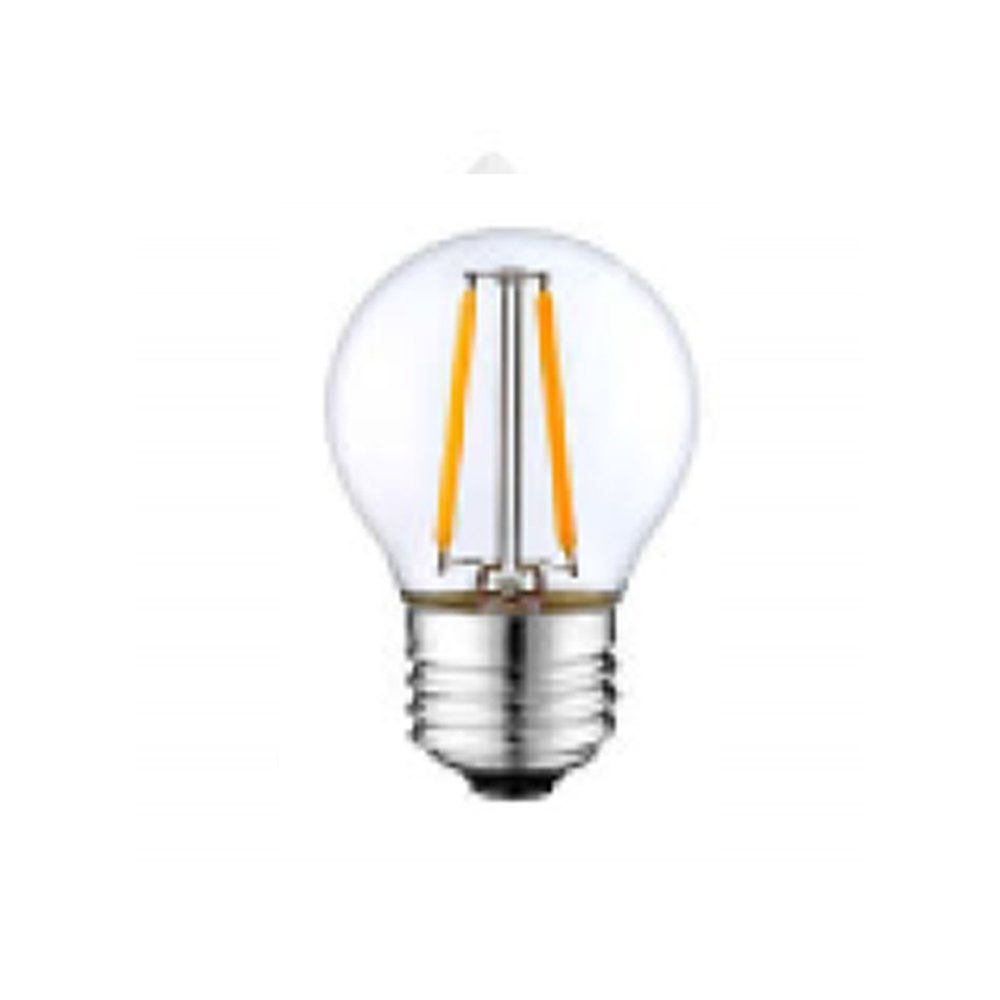
Dimmers are usually fitted for comfort: softening the light in the evening, darkening the room for a film. Sometimes they are also sold as a way to save energy. The question sounds simple: if there is less light, is less electricity used? The answer starts with “yes, but”, and the “but” depends on the type of lamp and dimmer.
Why old dimmers saved little
Decades ago some dimmers worked like a rheostat, putting resistance in the path of the current to the lamp. The lamp dimmed, but part of the energy that no longer reached it was simply turned into heat inside the dimmer. The light went down; the bill did not fall as much as expected.
Modern wall dimmers work differently: they “cut out” part of each wave of the alternating current. The part that is cut never passes through the circuit and is not wasted as heat. So the idea that “the dimmer itself burns energy” belongs to older devices. Only the dimmer’s electronics, and the wireless module in smart models, draw a small amount of power.
Incandescent: a saving, but an inefficient one
Dimming an incandescent bulb lowers the power it draws, so consumption does fall. But there is a catch. As the filament cools, a larger share of its energy goes into infrared radiation, meaning heat, rather than visible light. Light output therefore drops faster than power.
In practice, dimming an incandescent bulb to half its light reduces power by much less than half. You get less light per watt. So a dimmer does save something with incandescent lamps, but it is an inefficient way to get low light. A low-wattage LED would give the same soft light using far less energy.
LED: consumption falls with the light
With a dimmable LED the picture is more straightforward. An LED’s light output changes roughly in proportion to its current, and the driver draws correspondingly less power. As the light goes down, consumption falls by about the same proportion.
It is not perfectly proportional. Driver efficiency can drop somewhat at very low levels, so at the bottom of the range the lamp uses a little more than expected. But the overall picture is clear: dimming an LED delivers a real saving.
The eye works in your favour
The human eye does not perceive light linearly. Light reduced to half on a meter looks considerably brighter than half to the eye. That means dimming a little often goes unnoticed while directly cutting consumption.
You can put this to use:
- in a dimmable system, get used to running lights slightly below full output;
- pick a fixed full-power setting for daytime and a lower one for evenings;
- in offices and shops, dim lighting that was installed with a generous margin down to what is really needed.
Hidden problems and losses
The benefit only comes with the right compatibility. Typical problems include:
- An LED not designed for dimming. Expect flicker or a hum, and a driver that wears out prematurely. The packaging should state clearly that the lamp is dimmable.
- An old dimmer with a small LED load. Dimmers designed for incandescent lamps have a minimum load; one or two LED lamps may fall below it, causing flicker or cut-out at low settings.
- Standby use by smart dimmers and bulbs. App-controlled dimmers and smart bulbs stay connected when “off”. In a rarely used room that standby draw can eat into the saving.
- Flicker at low levels. Some LED lamps show flicker at very low brightness that is visible on camera or in peripheral vision. Bear this in mind for children’s rooms and workspaces.
Installing or replacing a dimmer is electrical work and should be done by a qualified electrician.
The verdict: when a dimmer saves energy
A dimmer is a useful saving tool with LED lamps in places where light really is dimmed often: living rooms, dining areas, restaurant floors. With incandescent and halogen lamps the main route to saving is not the dimmer but switching to LED. If you almost always run your lights at full power, a dimmer will remain a comfort feature.
Zəfər İşığı is Zaferoğlu Elektrik's own lamp brand, produced in Ganja. Before choosing a lamp for a dimmer circuit, ask the company whether the specific model is dimmable; savings without a dimmer can be checked with the calculator on this site.
All news