
Which kind of light attracts fewer insects
How many insects gather around a porch light on a summer evening depends on the colour of the light and where it is placed. Which light attracts fewer of them.
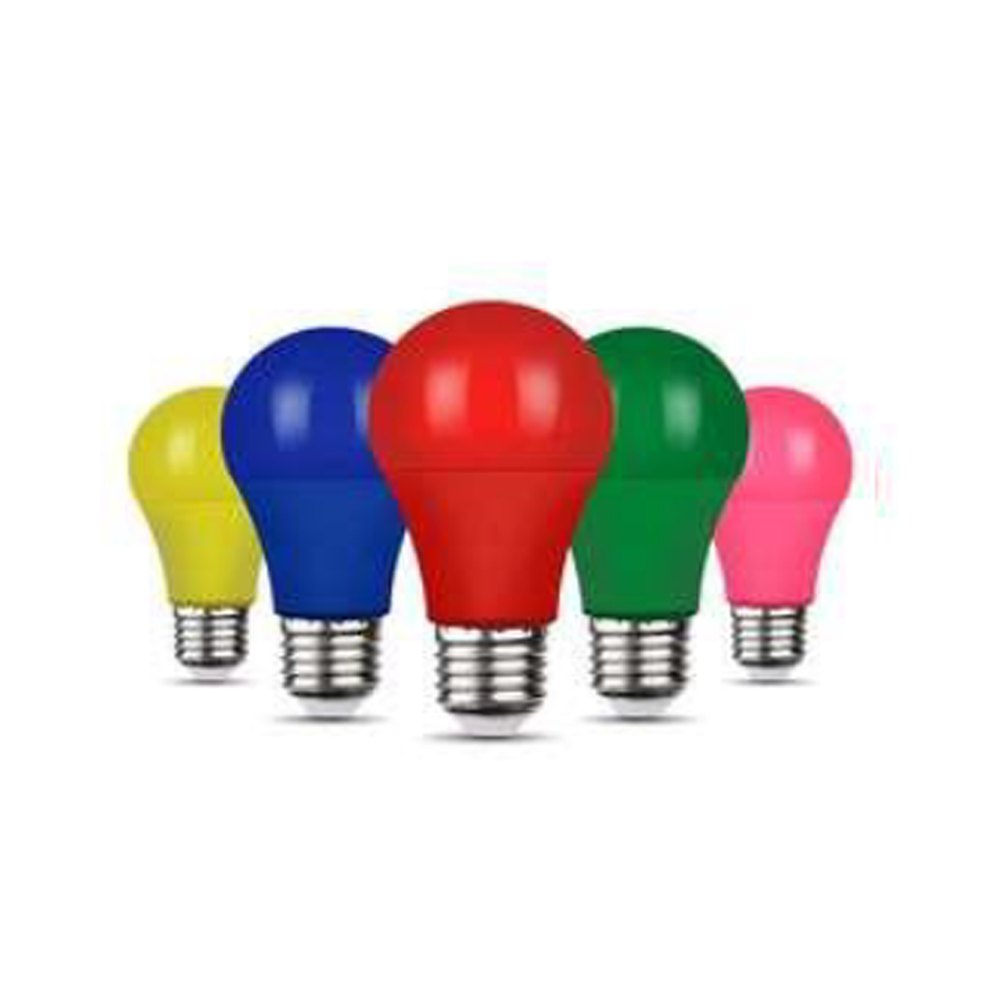
As soon as you switch on the light to sit on a balcony or in the yard on a warm summer evening, moths, mosquitoes and all kinds of bugs start gathering around the lamp. Most people know the scene, but few realise that the number of insects depends a great deal on the colour of the light. Choosing the right bulb and position will not eliminate the problem entirely, but it can reduce it noticeably.
Why insects come to light
Many night-flying insects orient themselves by light sources in the sky, such as the Moon and stars. When an artificial source is close by, this mechanism is disrupted and the insect starts circling the lamp. Scientists still debate the exact explanation, but one thing is clear: different wavelengths attract insects to different degrees.
Insect eyes work differently from ours. Many species are very sensitive to ultraviolet and blue light, while they see red and orange light poorly or not at all.
Which light attracts more
Based on this sensitivity, the general picture is:
- sources that emit ultraviolet attract the most insects; old mercury street lamps, some fluorescent lamps and dedicated insect traps work on exactly this principle;
- cool white light (5000–6500K) has a strong blue component and attracts relatively many insects;
- warm white light (2700–3000K) attracts fewer;
- amber, yellow and orange light, with almost no blue component, belongs to the group that attracts the fewest.
An important correction: “fewest” does not mean “none”. Yellow light still attracts some insects, and some species, mosquitoes for instance, find people by body heat and the carbon dioxide in breath more than by light. So a yellow bulb will not fully prevent mosquito bites.
The advantage of LED bulbs
An incandescent bulb emits broad-spectrum light and a lot of heat, and some insects are drawn by heat too. The light of white LED bulbs contains practically no ultraviolet, and the lamp stays relatively cool. Zaferoğlu Elektrik's product pages also note that its LED lamps emit no ultraviolet or infrared radiation. Compared with older sources, that makes LEDs better suited to outdoor use.
When choosing between LEDs, colour temperature plays the main role: for a balcony or yard, 2700K or lower, and especially an amber-toned bulb, is the most sensible option.
Placement matters as much as colour
Even a bulb of the right colour causes problems in the wrong place. These rules help:
- do not place the lamp directly above your seating area but a few metres to the side, so insects gather around the light rather than around you;
- avoid a bright lamp right next to the entrance door, as insects that gather there fly inside when the door opens;
- aim the light downwards onto the surface that needs it; light spreading upwards and towards the horizon draws insects from further away;
- do not choose a brighter lamp than you need, since attraction rises with brightness;
- if possible, use a motion sensor or timer so the light does not burn needlessly all night.
Keeping insects out of the house
If windows and balcony doors are open while lights are on indoors in the evening, the indoor light attracts insects too. Screens on windows, drawn curtains in lit rooms and airing the house after switching off the lights are simple but effective measures. For sitting out on a balcony in the evening, a comfortable compromise is to keep the light as low as possible, with a small warm table lamp by the seats and a separate amber path light further away. With this split, insects gather mostly around the distant lamp.
For country and garden houses
Around country houses, gardens and farm buildings, night lighting also affects the local ecosystem. When insects crowd around light, the behaviour of the animals that hunt them changes too. Amber light aimed downwards and switched on only when needed is a more balanced choice for people and nature alike.
Zaferoğlu Elektrik produces Zəfər İşığı LED lamps at its plant in Ganja. You can compare lamp types for balcony, yard and garden lighting in the catalogue by cap and shape.
All news