
4000K neutral white: where it works best
4000K sits between warm and cool. Here is where neutral white light works best, in homes and workplaces, and where it can feel too clinical.
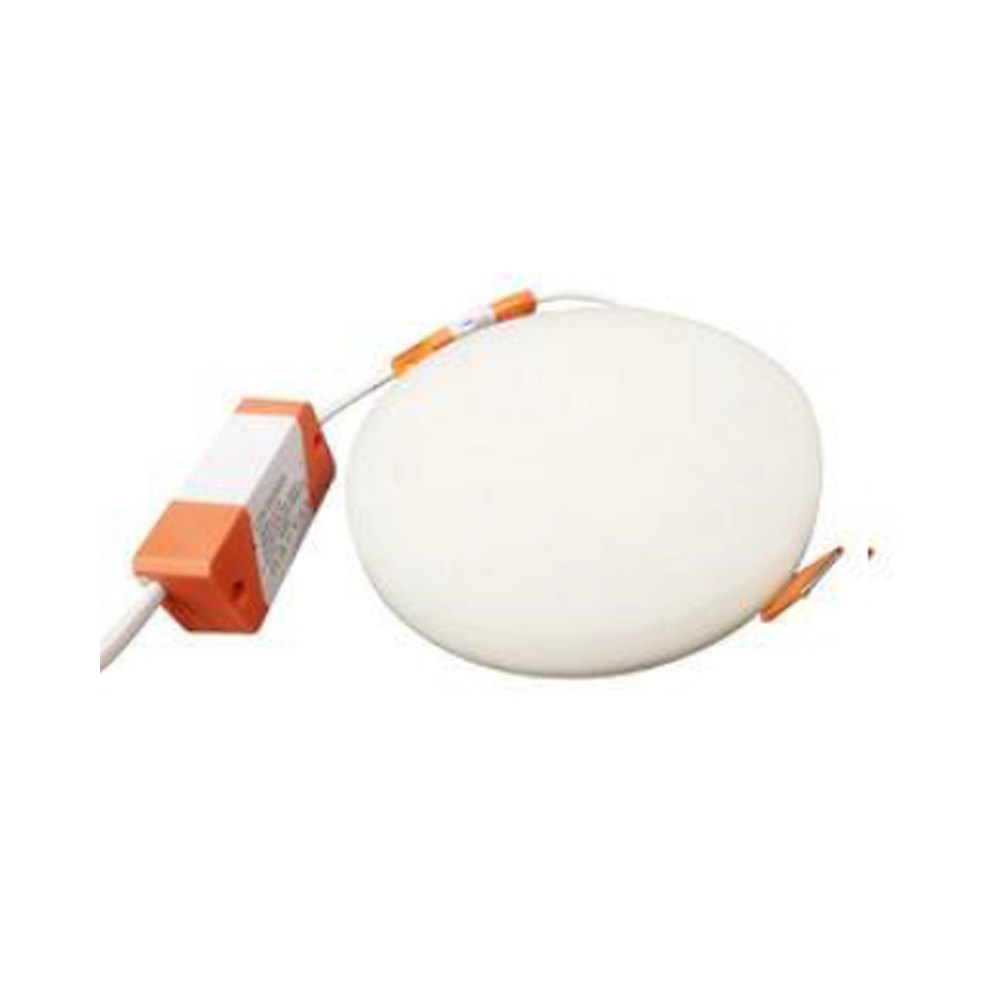
When choosing between 3000K and 6500K, many people overlook the option in the middle. Yet neutral white at around 4000K is often the least controversial choice for homes and workplaces alike: it has no yellow cast, but it does not look bluish like a hospital corridor either.
What neutral white looks like
Colour temperature is measured in kelvin, and as the number rises the light shifts from yellow to white and then to bluish white. 2700–3000K gives a warm tone similar to an incandescent bulb. Values above 5000K produce cool light reminiscent of an overcast day. 4000K sits between the two groups: white paper looks white, while wood and fabric keep their colour.
The main advantage of neutral light is that colours do not drift. Warm light boosts reds and oranges and slightly mutes blues and greens; cool light does the opposite. Neutral light distorts less, which is why it is preferred for tasks where colour matters. One caveat: how accurately colours are shown depends not only on kelvin but also on the lamp's CRI (Ra).
Where 4000K earns its place at home
Not every part of a home needs the same light. Neutral white works well where tasks are done:
- kitchen worktops, especially under-cabinet lighting, where you want to judge how fresh vegetables or meat are;
- bathrooms and the area around the mirror, so the face does not look sallow;
- wardrobes and dressing areas, where telling black from navy gets easier;
- a home office or a child's desk, where text is crisp and the light does not make you drowsy;
- laundry rooms, storerooms and garages.
In living rooms and bedrooms, though, neutral light often feels rather formal. For relaxing in the evening, 2700–3000K is usually more comfortable. A good compromise in a living room is neutral general ceiling light with warm reading and accent lamps.
Neutral light at work
4000K is widespread in offices, classrooms, workshops and clinics. The reasoning is simple: it helps people stay focused, it feels less tiring than cool light over long hours, and it blends with daylight without harsh contrast. When the light from the window and the ceiling fittings differ strongly in colour, the eyes keep adapting; a neutral tone smooths the transition.
In shops the choice depends on the goods. Clothing, cosmetics, appliances and pharmacy products keep their real appearance under neutral light. Bread, pastries and wooden furniture look more appetising or cosier under warm light, so 3000K is often preferred there.
When neutral light is not the right call
4000K is not universal. It is better avoided in a few situations:
- rooms where people spend long evenings relaxing, especially bedrooms;
- warm-toned interiors, where terracotta, beige and gold details can look cold and grey;
- restaurant and café dining areas, where atmosphere matters more than colour accuracy;
- fittings that still hold old yellowish bulbs, since two different tones side by side look unsettled.
Also note that manufacturers use the word “neutral” for different values. Some boxes call 3500K neutral, others 4000K or 4500K. Look at the kelvin figure on the box rather than the label.
A quick check before you buy
To make the decision clearer, ask yourself:
- Is the room mainly used for work or for relaxing?
- Are the walls and furniture in cool tones (white, grey, blue) or warm ones (beige, brown)?
- Does the room get plenty of daylight that will mix with the lamp?
- Are there other lamps in the room, and what colour temperature are they?
If you are still unsure, buy a single lamp first and live with it for a day or two, checking it in daylight and after dark. A couple of evenings is enough to tell whether neutral light feels comfortable, and the rest of the room can follow later.
During the trial, do not just look at the lamp itself. Notice the light on the walls, ceiling and floor, and how skin and food look. If the room feels “like an office” under neutral light, the problem is often not the colour but the fact that all the light comes from a single ceiling point. Adding one warm local light usually restores the balance, and you do not have to give up neutral general lighting.
Before shopping, you can get a rough feel for 3000K, 4000K and 6500K with the simulator on the Zaferoğlu Elektrik home page, which re-tints a room photo as you change the kelvin value.
All news