
Choosing the lampholder and flex for a pendant light
How to choose the lampholder, cable, ceiling rose and fixings for a bare pendant light, connect the wires properly and keep it safe.
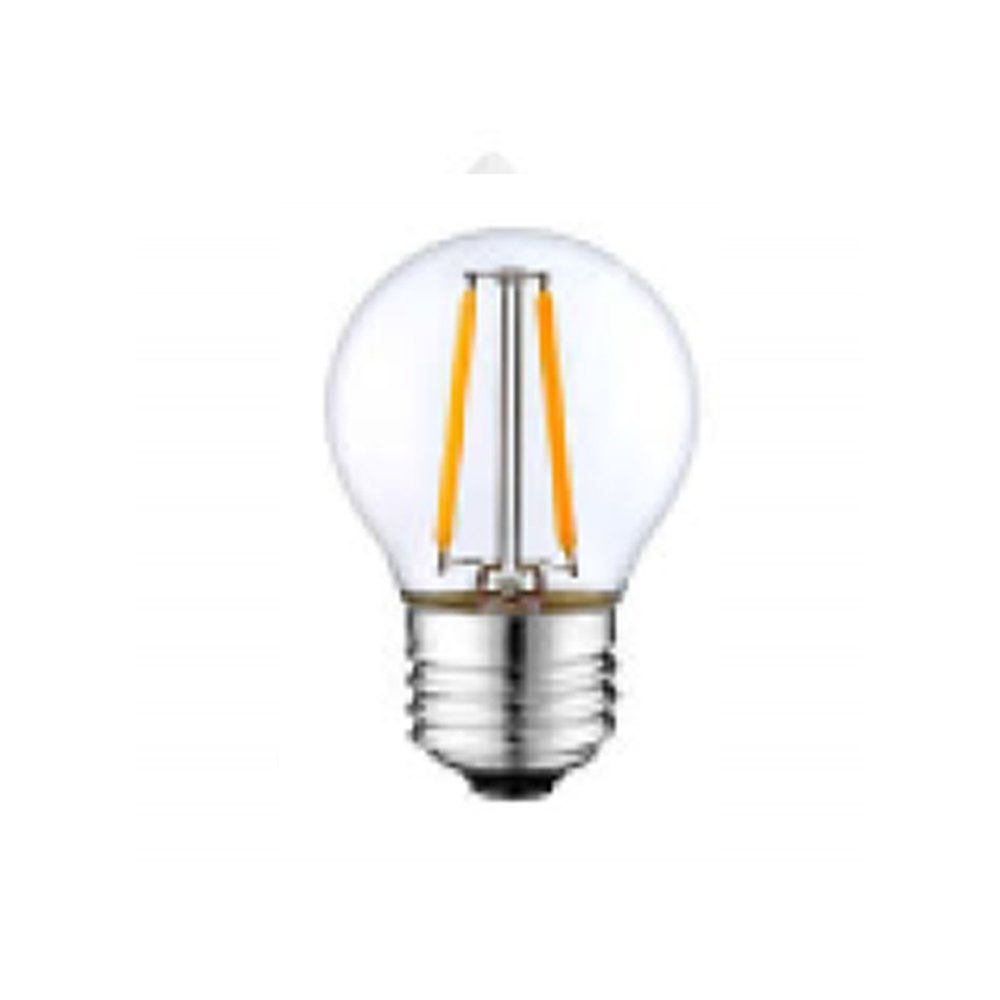
Putting together a loft-style pendant looks easy: a lampholder, a length of cable, a ceiling rose and a bulb. Ready-made kits are sold too. But in this simple arrangement every part carries both an electrical and a mechanical load. The wrong cable, a holder without a cord grip or a weak ceiling fixing can lead to overheating, parts coming loose and short circuits over time. Thinking about each component separately makes the pendant both attractive and reliable.
The lampholder: size, material and cord grip
The first decision is the cap size. E27 is chosen for large globe and Edison bulbs, E14 for small decorative bulbs. Next comes the material:
- Plastic (thermoplastic, phenolic) holders are light, work comfortably with LED bulbs and come in a wide choice of designs.
- Ceramic holders are the most heat-resistant and more reliable in a closed shade or with a powerful bulb, but can crack if knocked.
- Decorative metal-bodied holders (brass, steel) look attractive, but a metal body requires earthing.
The most important feature of a pendant holder is the cord grip. This is a small screw clamp or cone inside the holder that grips the cable by its outer sheath. The weight of the bulb and holder is carried by the sheath, and no tension reaches the point where the conductors are connected to the terminals. Without a cord grip, the weight hangs on the terminals and a conductor can pull out over time.
The cable: conductor size, cores and covering
Conductor size. For a single-bulb pendant, flexible cable with 0.75 mm² conductors is usually enough. An LED bulb draws little current, but the cable is also chosen for mechanical strength, so avoid very thin decorative cables.
Flexible cable. A pendant swings and gets moved during cleaning, so multi-strand flexible cable is used. Solid single-core wire is not suitable here, as it can break from repeated bending.
Number of cores. With a plastic holder and plastic ceiling rose, two-core cable (live and neutral) can be used. If there is a metal holder, metal shade or metal ceiling rose, three-core cable and earthing are mandatory.
Covering. Fabric-braided decorative cables are popular. Inside they must have conductors with ordinary insulation; the fabric is purely for looks. The braid should not overheat or fray from rubbing.
Ceiling rose and fixing
The ceiling rose (canopy) covers the wiring connection at the ceiling and often carries the load of the pendant. Two issues need separating here:
- Electrical connection. The wires coming from the ceiling are connected to the pendant cable's conductors inside the rose with a terminal block or lever connectors. A twisted joint wrapped in insulating tape is not reliable.
- Mechanical fixing. The rose is fixed to the ceiling with plugs and screws, and the pendant is held by a cord grip in the rose. For heavy shades or multi-pendant arrangements, the load should go to a separate hook, wire or chain.
Use wall plugs in concrete ceilings and fixings designed for plasterboard in plasterboard ceilings. Hanging the load on the plasterboard layer alone is dangerous.
Connecting the wires
- Before starting, switch off the circuit breaker at the consumer unit.
- Connect live to the centre contact of the holder and neutral to the threaded shell. This makes accidental contact with the thread less dangerous when changing the bulb.
- Strip the conductors only as far as needed, and fit ferrules to stranded ends so the strands do not splay.
- The earth conductor (green-yellow) must be connected to the earth terminal of any metal parts.
- Tighten the terminal screws firmly, then check by giving the wire a gentle tug.
Checks after assembly
- The cord grip clamps the cable by its sheath, and the conductors reach the terminals without tension.
- No bare conductor is visible at the holder, cable or rose.
- Once hung, the holder does not tilt and the weight is evenly carried.
- If there are metal parts, the earth is connected.
- After first switching on, the holder has been checked for heat after a while.
If you buy a ready-made kit, it is worth checking it against this list too: cheap kits often skip the cord grip or the earth.
Once the pendant is ready, all that remains is to choose a bulb. Once the holder and cable are sorted, the bulb itself can come from the Zəfər İşığı line, which has both regular and filament LEDs with E27 and E14 caps.
All news