
How to size an LED panel for the area it lights
The number and output of LED panels depend on room area, required light level and ceiling height. A simple calculation, layout rules and common mistakes.
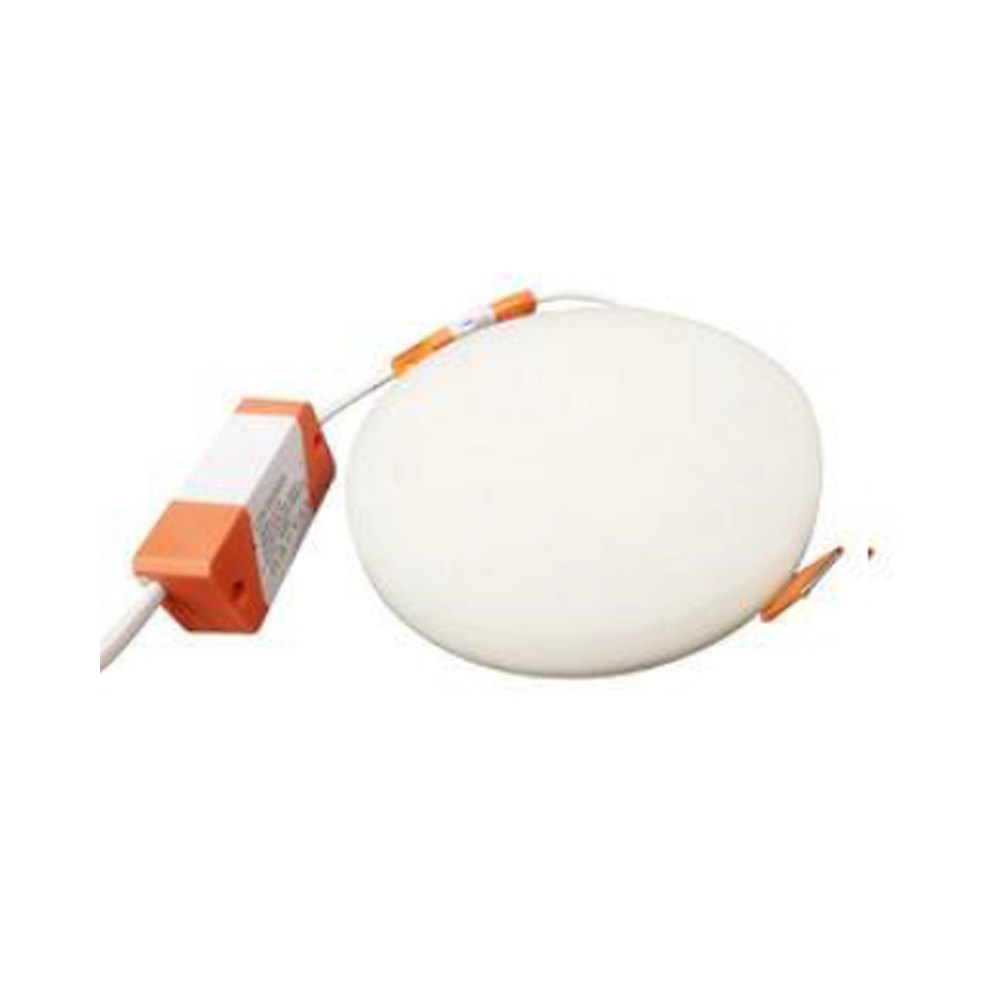
A business owner renovating an office asks how many LED panels the suspended ceiling needs. The installer says "one panel per 4 square metres", while the salesperson thinks "two powerful panels will do for this room". Either answer can be right in some cases, but neither is reliable as a general rule. A simple calculation taking a few minutes gives a much sounder answer.
What you need to know first
Before starting, you need four pieces of information:
- the room's area in square metres;
- what the room will be used for and what light level is needed;
- the ceiling height and the colour of the walls;
- the luminous flux of the panel you have in mind, in lumens. This figure appears on the packaging or the technical data sheet.
Do not use the panel's wattage as the basis: panels of the same power can give different amounts of light from different manufacturers.
How much light for which room
The following levels can serve as a guide:
- office workplaces, writing and computer work: 500 lux on the task surface under EN 12464-1;
- meeting rooms: about the same;
- corridors and circulation areas: far less;
- a panel for general light in a home kitchen or bathroom: less than an office but more than a hallway; separate local lighting is advisable for work surfaces.
A simple calculation
The calculation has three steps.
1. Theoretical light needed: area × target lux. For a 15 m² office and 500 lux: 15 × 500 = 7,500 lumens.
2. Allow for losses. Part of the light is absorbed by walls, part never reaches the work surface, and panels collect dust over time. To cover this, divide the theoretical figure by a factor. For a light-coloured office of normal height, around 0.5–0.6 is a practical guide; in a room with dark walls or a high ceiling the factor is lower. 7,500 / 0.55 ≈ 13,600 lumens.
3. Divide by the panel's lumens. If the panel you chose gives 3,500 lumens according to its box: 13,600 / 3,500 ≈ 3.9. So, 4 panels.
This is a first estimate. On serious projects a computer calculation is done with the photometric file of the specific panel, and the result may differ slightly. But a simple calculation is far more reliable than guesses like "two panels will do".
Panel sizes and shapes
Two standard sizes dominate suspended ceilings: 600×600 mm square panels and 300×1200 mm rectangular ones. Both drop straight into an Armstrong-type ceiling grid. Where there is no suspended ceiling, surface-mounted framed panels or small round and square ceiling panels are used; these are common in flat hallways and kitchens.
The panel's shape also affects light distribution: long rectangular panels spread light more evenly in narrow, long rooms such as corridors.
Layout rules
It is important to distribute the calculated panels properly:
- Arrange panels on an even grid; the distance between two panels should be about twice the distance from a panel to the wall.
- If there are desks, place panels towards the sides of the desks so their light is not reflected straight off monitor screens.
- Having the panel to the side of a workstation rather than directly above it reduces shadows and reflections.
- In a long corridor, place panels in a single line at roughly equal intervals.
Common mistakes
- Too few, too powerful panels. The total light adds up, but the area under each panel is very bright and the spaces between are dim.
- Ignoring glare. For people working at computers, a panel's glare rating (UGR) matters; EN 12464-1 recommends UGR 19 or lower for such spaces. Check this value in the data sheet.
- Mixed colour temperatures. Putting 4000K and 6500K panels side by side in one room makes the ceiling look patchy.
- Forgetting height. Under a 3.5–4 m ceiling, the same number of panels gives noticeably less light than under a standard office ceiling.
Zaferoğlu Elektrik manufactures LED lamps in Ganja; if you light a living space without a suspended ceiling using E27 ceiling fittings instead of panels, the same calculation helps determine the number and output of the lamps there too.
All news