
Is LED light bad for your eyes? Facts and advice
There are plenty of claims about LED light harming the eyes. What scientific opinion says about blue light, flicker and glare, and what to watch for in daily use.
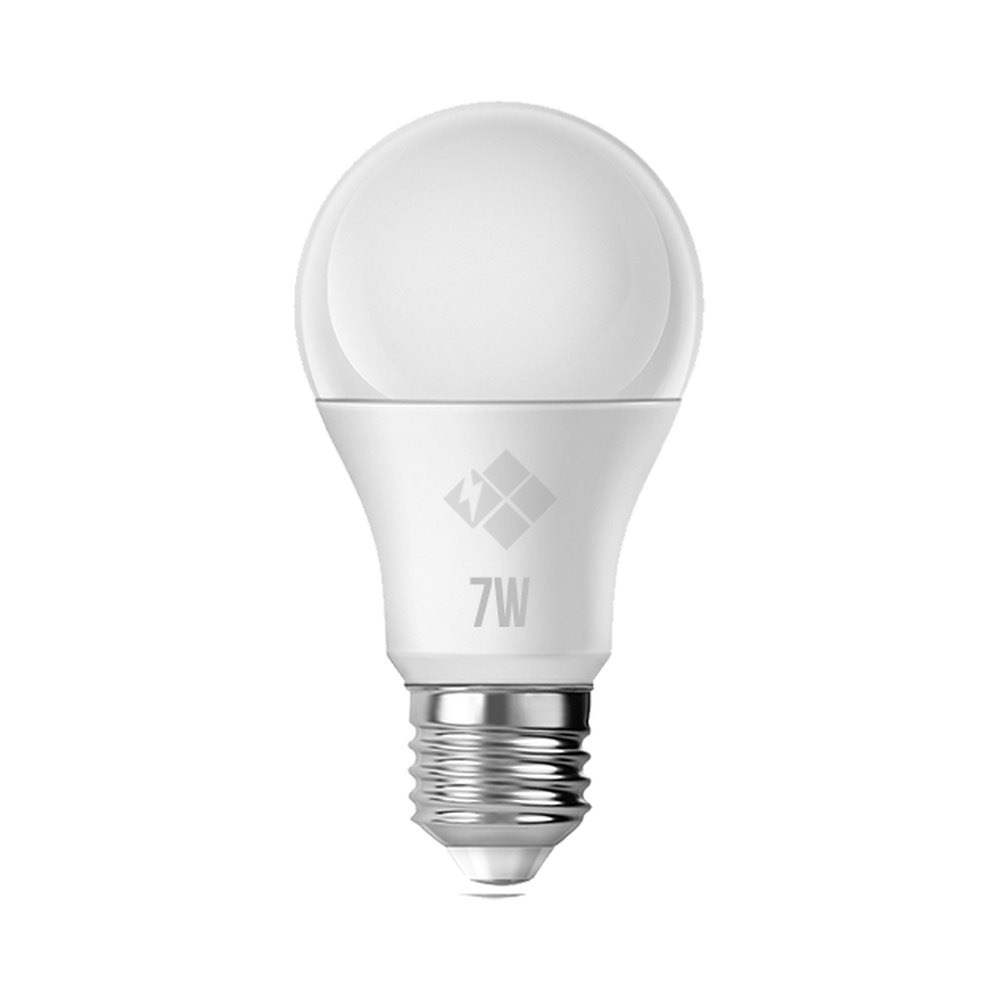
After replacing old bulbs with LEDs at home, one person says their eyes feel tired in the evenings, while another has read online that LED light damages the retina. Some of these concerns have a real basis and some are exaggerated. To separate the facts, it helps to look at the three main ways LED light can affect the eyes one by one: blue light, flicker and glare.
Blue light: where the risk begins
The usual white LED design pairs a blue emitter with yellow phosphor, which leaves a clear blue spike in the spectrum. Looking directly at very intense blue light for a long time can have a photochemical effect on the retina, which lighting science calls the blue light hazard.
To assess this, the international standard IEC 62471 (EN 62471 in Europe) sorts light sources into risk groups: an exempt group, a low-risk group and higher groups. Ordinary household lamps in normal use generally fall into the lowest groups. The higher groups are more typical of powerful floodlights, professional stage lighting and bare, very bright LED chips.
In a 2018 opinion, the European Commission's scientific committee SCHEER concluded that there is no evidence of direct harm to the eyes from normal use of LED lighting by the general population. At the same time, the committee noted that children's eyes may be more sensitive to blue light and that very bright sources such as LED toys and torches deserve attention.
Flicker: invisible but felt
Depending on the quality of its driver, the light from an LED lamp can vary a hundred times a second or faster. The eye may not see this as flicker, but in some people it comes with eye strain, headaches and reduced concentration. People who read for long periods, work at a computer or are prone to migraines are especially sensitive.
In a lamp with a good driver, flicker is minimal. In cheap lamps the driver is simplified and flicker becomes noticeable. There is a simple check at home: point your phone camera at the lit lamp. If horizontal dark bands appear on the screen, the lamp flickers. Crude as the test is, a bad lamp usually fails it immediately.
Dimmers can cause flicker too. An LED lamp that is not designed for dimming may start to flicker and buzz when turned down.
Glare and bright points
Because LED light comes from a small area, looking at a bare chip or a clear bulb is dazzling. That is not damage, but it does cause discomfort and fatigue. A clear bulb hanging at eye level, a spot without a diffuser or a very bright LED strip are typical examples.
The fix is simple: in living spaces choose frosted bulbs, fittings with diffusers and properly aimed spots. For a desk, position the lamp so that light falls on the work surface, not straight into your eyes.
Evening light and sleep
The other effect of blue light concerns not eye health but the body clock. In the evening, bright, cool light rich in blue can delay the release of the hormone melatonin and make it harder to fall asleep. This is not specific to LED; any light with the same spectrum, including phone and tablet screens, has the same effect.
Practical advice: use 2700K–3000K in bedrooms and wherever you unwind at night, lower the lighting before sleep, and save bright cool light for mornings.
Everyday advice
- Choose lamps from a reliable manufacturer, with technical information on the box.
- Use flicker-free lamps where you read and work, and do the simple phone camera test.
- Do not look closely at bare LEDs or clear bulbs, and keep children from doing so.
- Prefer frosted and diffused light sources in living spaces.
- Use warm, low light in the evening and neutral light for daytime work.
- If eye strain persists, see an optician or eye doctor as well as changing the lighting; the cause may be something else.
For soft, diffused light, look at Zəfər İşığı frosted E27 bulbs and E14 candles. A suitable lamp for a bedroom or reading corner can be chosen in the catalogue by shape and cap.
All news