
UV disinfection lamps are not ordinary light bulbs
A UV disinfection lamp can look like an ordinary bulb but is harmful to eyes and skin. How to recognise one and how it should be used.
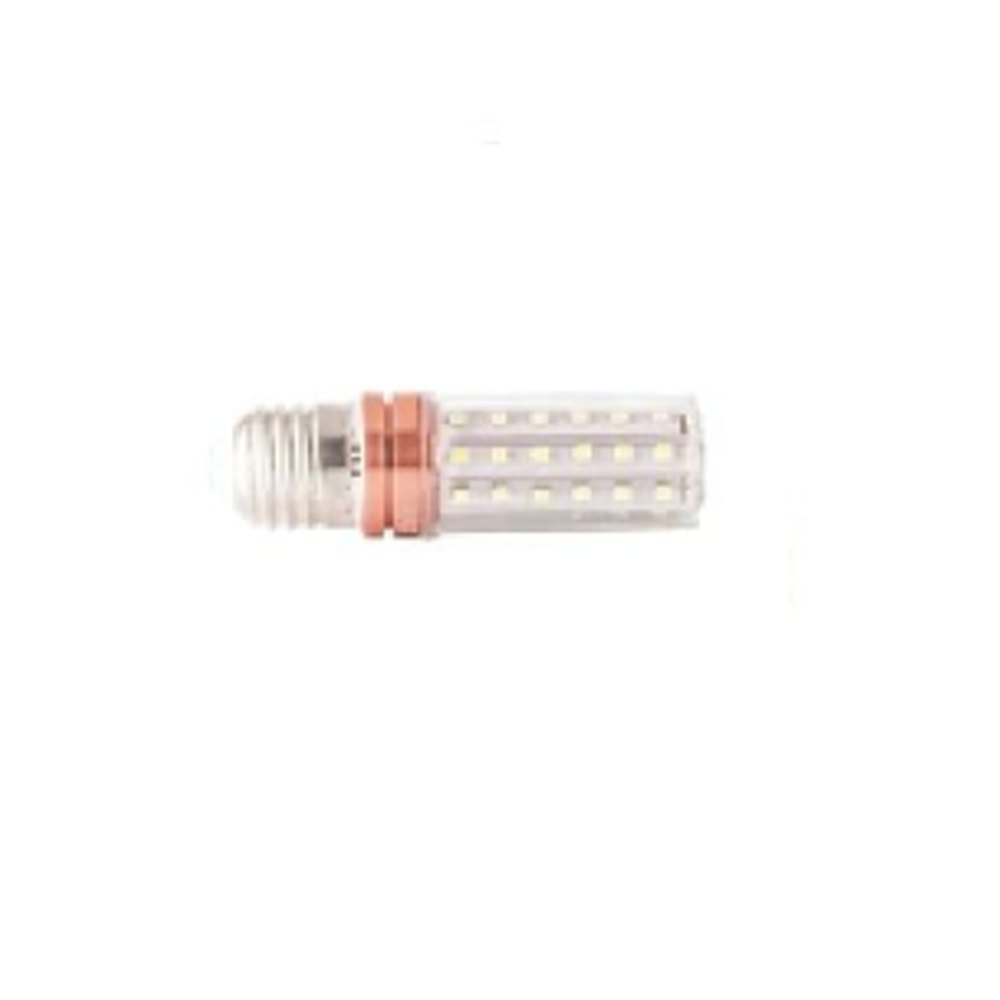
Some ultraviolet lamps on sale are almost indistinguishable from an ordinary fluorescent tube or a small capsule bulb: the same cap, a similar size, sometimes a body that fits the same fitting. Their job, however, is not to light a room but to inactivate micro-organisms on surfaces and in the air. Not knowing the difference can lead to serious eye and skin injuries.
Types of ultraviolet radiation
Ultraviolet radiation is divided into three main bands by wavelength.
- UV-A is closest to visible light. Decorative black-light bulbs, some insect traps and banknote checkers work in this range.
- UV-B causes sunburn. It is used in some medical lamps and in lamps for reptile terrariums.
- UV-C has the shortest wavelength and is the most biologically active. Because it damages the genetic material of micro-organisms, it is used for disinfection.
The UV-C in sunlight is absorbed by the atmosphere and hardly reaches the ground. As a result, human eyes and skin have no natural adaptation to it.
Why it is dangerous
Looking at a UV-C lamp for a while, or staying in a room it is irradiating, can burn the cornea. Symptoms often appear several hours later: a gritty feeling, watering, sensitivity to light and sharp pain. On the skin it causes redness similar to sunburn.
Ozone is an additional risk. Some UV lamps also emit shorter wavelengths that turn oxygen in the air into ozone, a sharp-smelling gas that irritates the airways. Packaging states whether a lamp is ozone-free or ozone-generating; after using an ozone-generating lamp, the room must be aired thoroughly.
UV-C also degrades plastics, rubber seals, some paints and fabrics over time and fades their colours.
Telling it apart from an ordinary lamp
- The packaging or lamp is marked with terms such as UV-C, germicidal or disinfection.
- The glass is often clear, with no white phosphor coating inside, because a phosphor would convert the ultraviolet into visible light.
- When lit, it gives a weak blue-violet glow. That visible light is misleading: a faint glow does not mean weak radiation.
- There are warning symbols and instructions on eye and skin protection.
The key rule: if you are not sure what a lamp is for or who made it, check carefully before putting it into an ordinary fitting. If spare lamps at home are stored together, keep UV lamps separately in a labelled box.
Mix-ups often start elsewhere. UV sterilisers in aquarium and pond systems contain small tube lamps, and when they are replaced, a spare can end up on the shelf next to ordinary bulbs. Decorative black-light bulbs are bought for fun; although they work in the UV-A band, they are not meant to be stared at from close range for long. UV lamps used to cure gel in nail salons form yet another category. None of these products is meant for room lighting, and each should be used strictly according to its own instructions.
Rules for correct use
A UV-C lamp should only be switched on in a room with no people, pets or plants. Placing the switch outside the room, using a delay timer or setting up automatic shut-off with a motion sensor all reduce risk.
Always follow the manufacturer's stated time and distance. Running it longer does not give a better result, but it does degrade materials more.
UV-C only acts on surfaces it reaches directly. Shaded areas, the layers of fabric and anything under dust are untouched. That is why the lamp does not replace ordinary cleaning; it can only supplement it.
Enclosed devices, such as recirculators that draw air through a sealed chamber, keep the radiation inside and can be used in occupied rooms. Open lamps cannot.
Breakage and disposal
Many UV-C tubes work with low-pressure mercury vapour. If one breaks, ventilate the room, do not use a vacuum cleaner on the fragments, and take them in a sealed container to a dedicated collection point. Newer UV-C LEDs contain no mercury, but the radiation hazard is the same.
The lamps in the Zəfər İşığı range by Zaferoğlu Elektrik are for general and decorative lighting, not for disinfection. If you keep both kinds at home, keeping them apart is a simple but important habit.
All news