
News
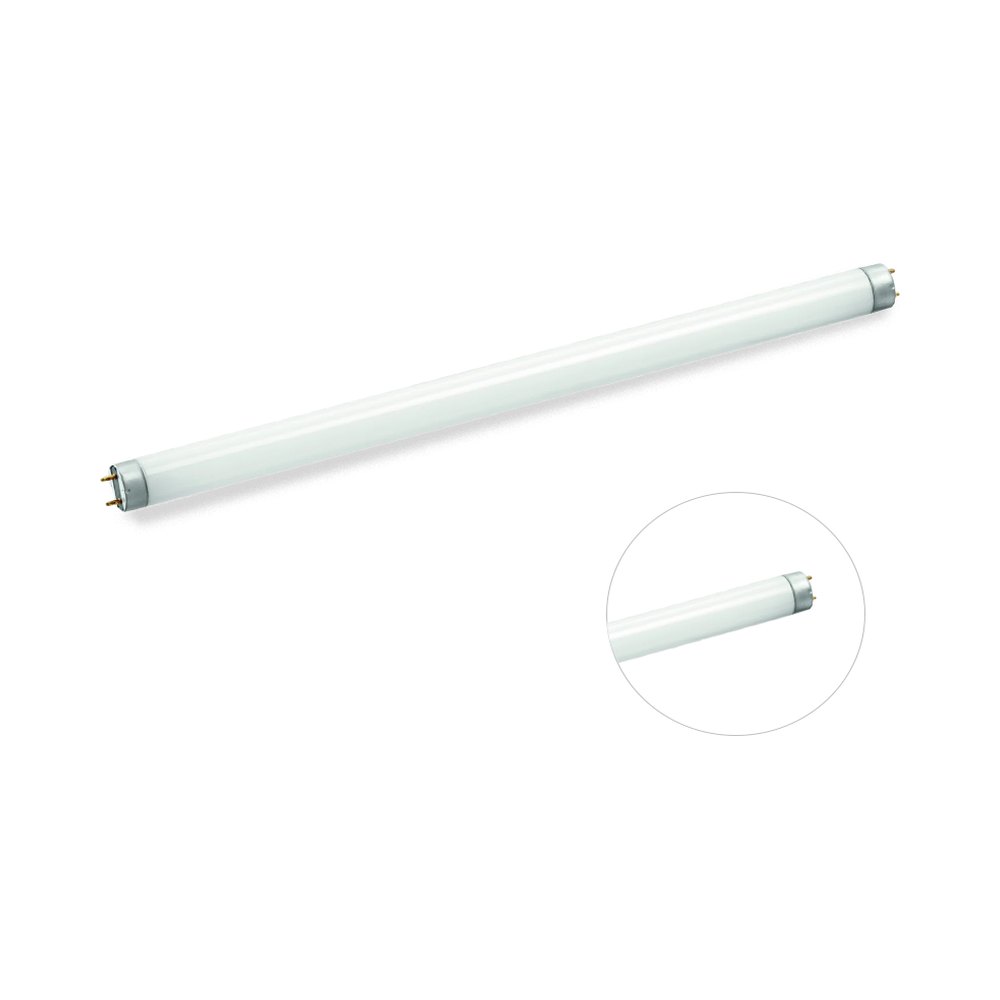
Replacing compact fluorescent “energy-saving” bulbs with LED
Spiral and U-shaped energy-saving bulbs were once the symbol of efficiency. Why it now makes sense to replace them with LED, how to choose, and how to dispose of them.
Converting high-power E40 lamps to LED
Workshops, warehouses, sports halls and yards still run powerful E40 incandescent and halogen lamps. Switching them to LED means checking size, weight, heat and the fitting.
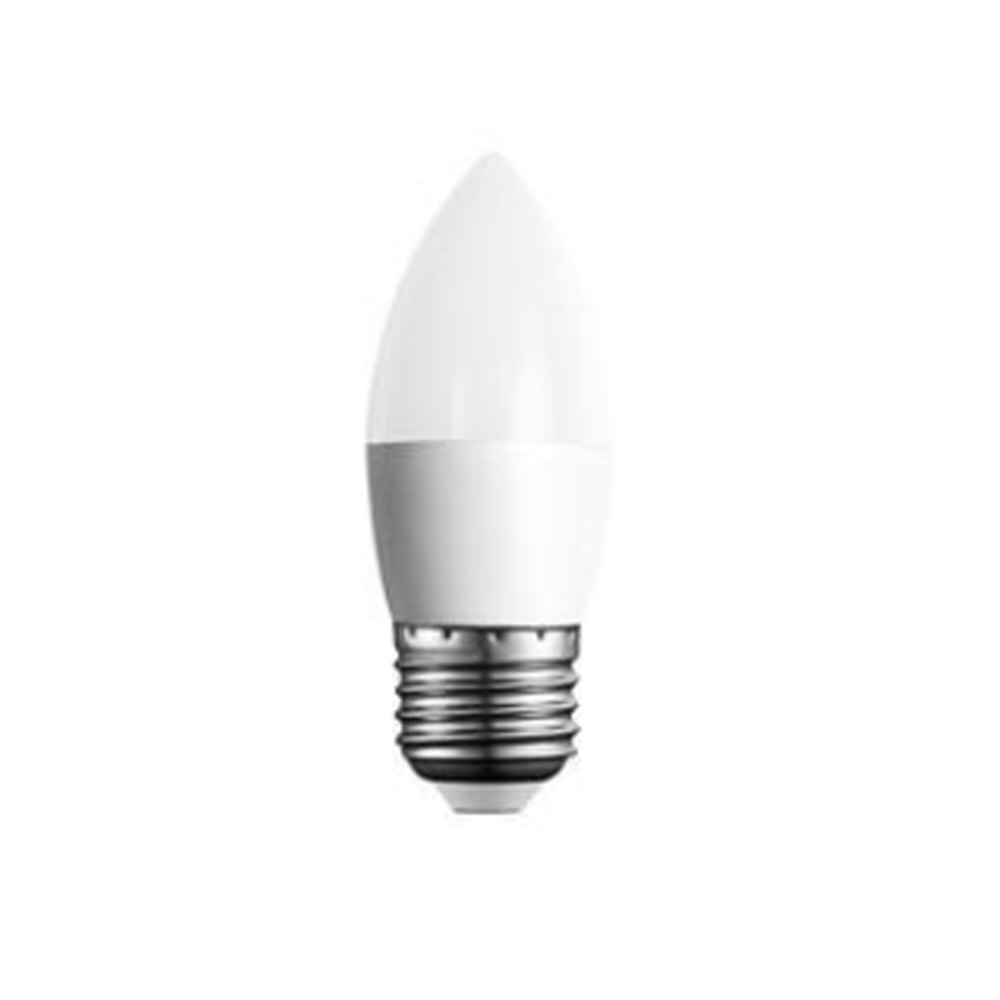
LED bulbs in an old chandelier: what to watch for
Fitting LED bulbs to an inherited or long-serving chandelier saves energy and reduces heat. But shape, size, colour and the state of the lampholders need checking.
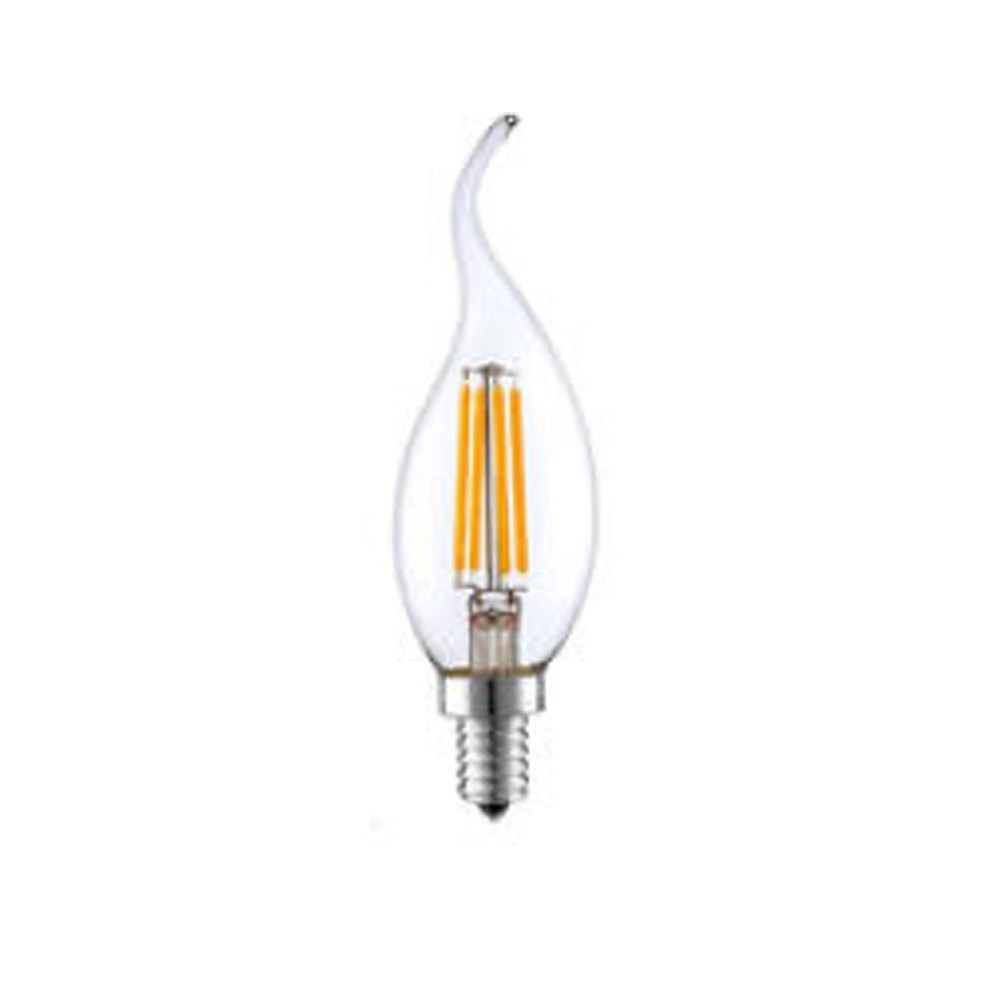
Going LED without losing the look of classic bulbs
If you love the warm glow, clear glass and visible filament of incandescent bulbs, going LED does not mean giving up that look. How to choose the right shape, colour and glass.
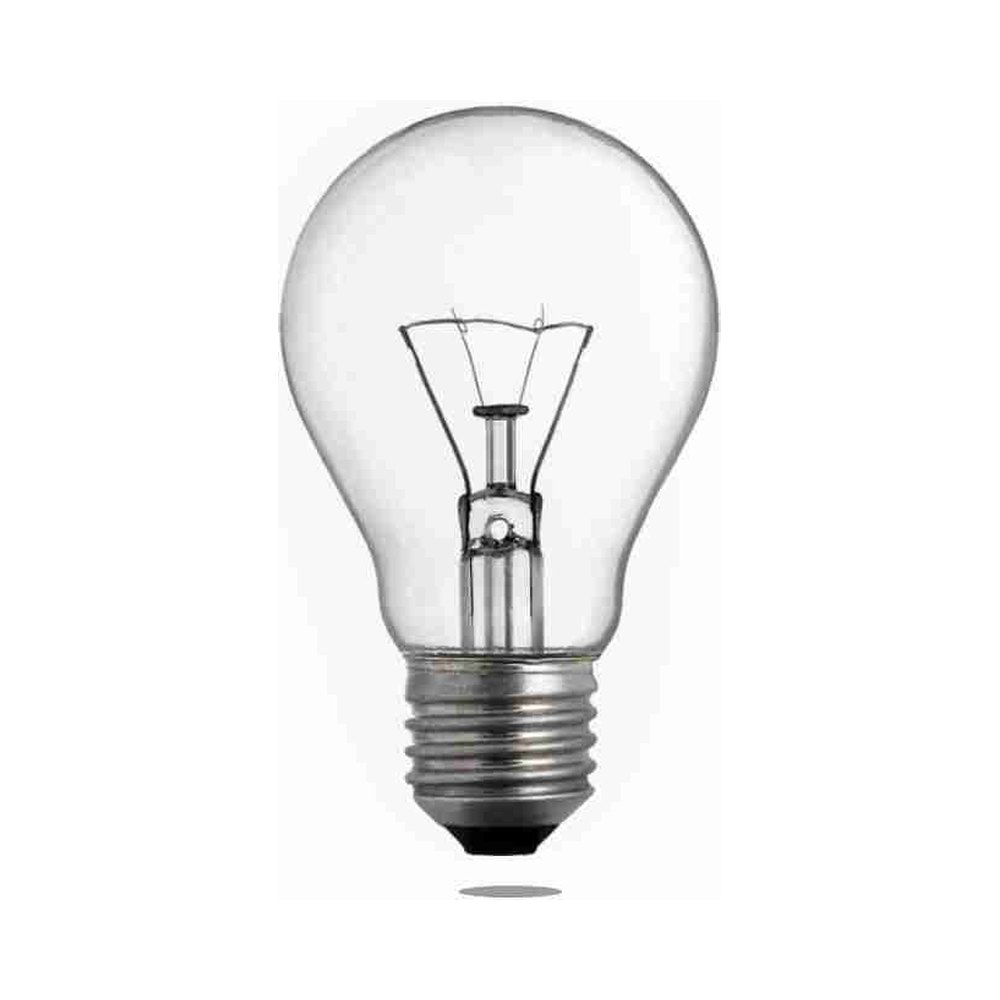
Why incandescent bulbs are being phased out
The incandescent bulb lit homes for over a century, yet in many countries it has left or is leaving the market. Why, how it happened and what it means for consumers.
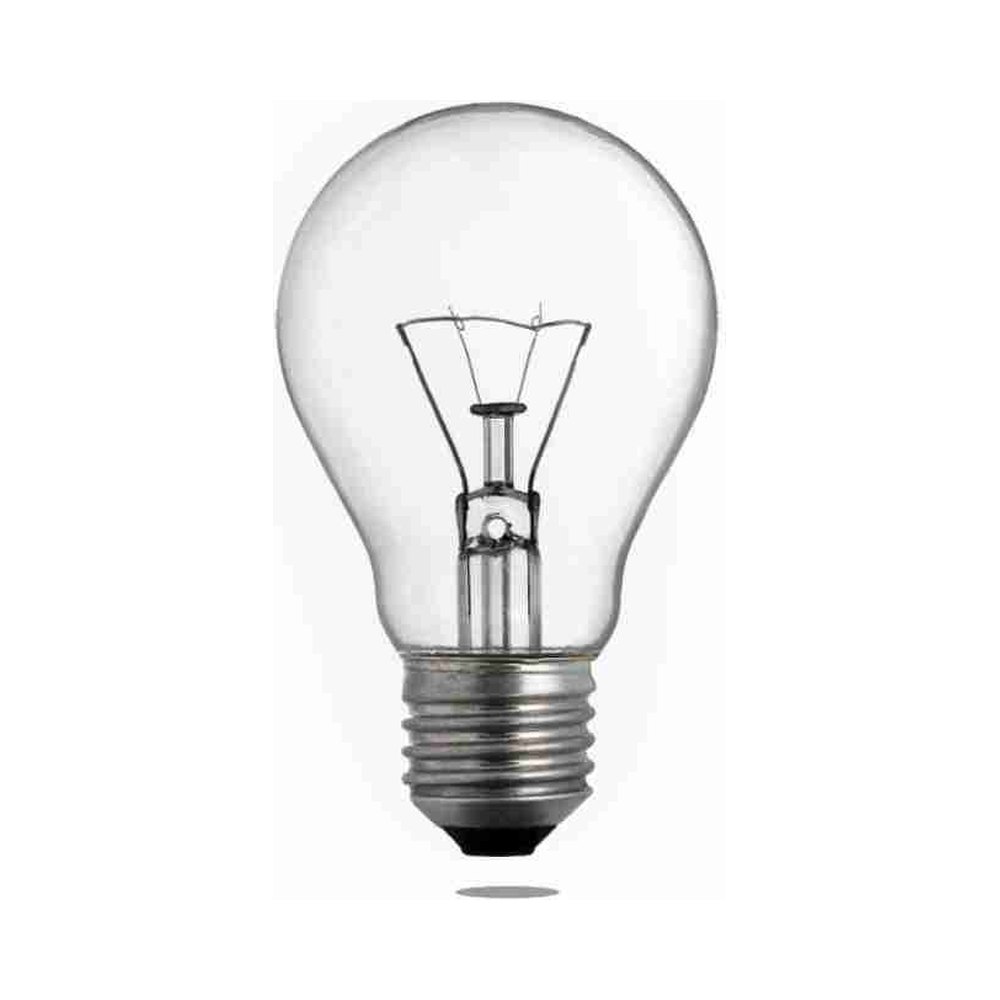
Where incandescent bulbs are still needed
LED has replaced incandescent bulbs almost everywhere, but in some cases the old technology still holds its place. Those cases, and what to watch for in each.
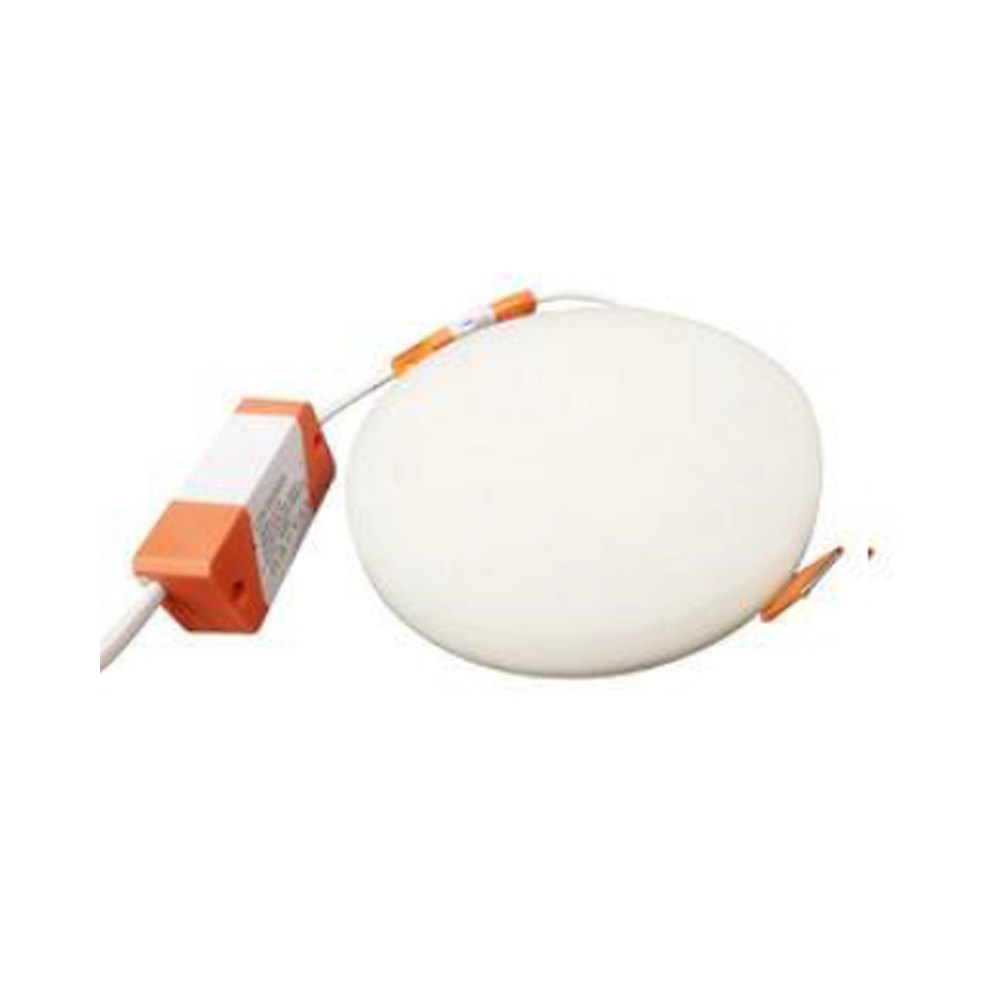
Replacing fluorescent troffers in grid ceilings with LED panels
The suspended ceilings of offices and schools still hold four-tube fluorescent fittings. How to replace them with LED panels, sizing, installation and what to do with the old tubes.
Moving from mercury and sodium street lamps to LED
Old street, yard and industrial fittings still run mercury and sodium lamps. The ways to switch to LED, the ballast question, light colour and proper handling of old lamps.
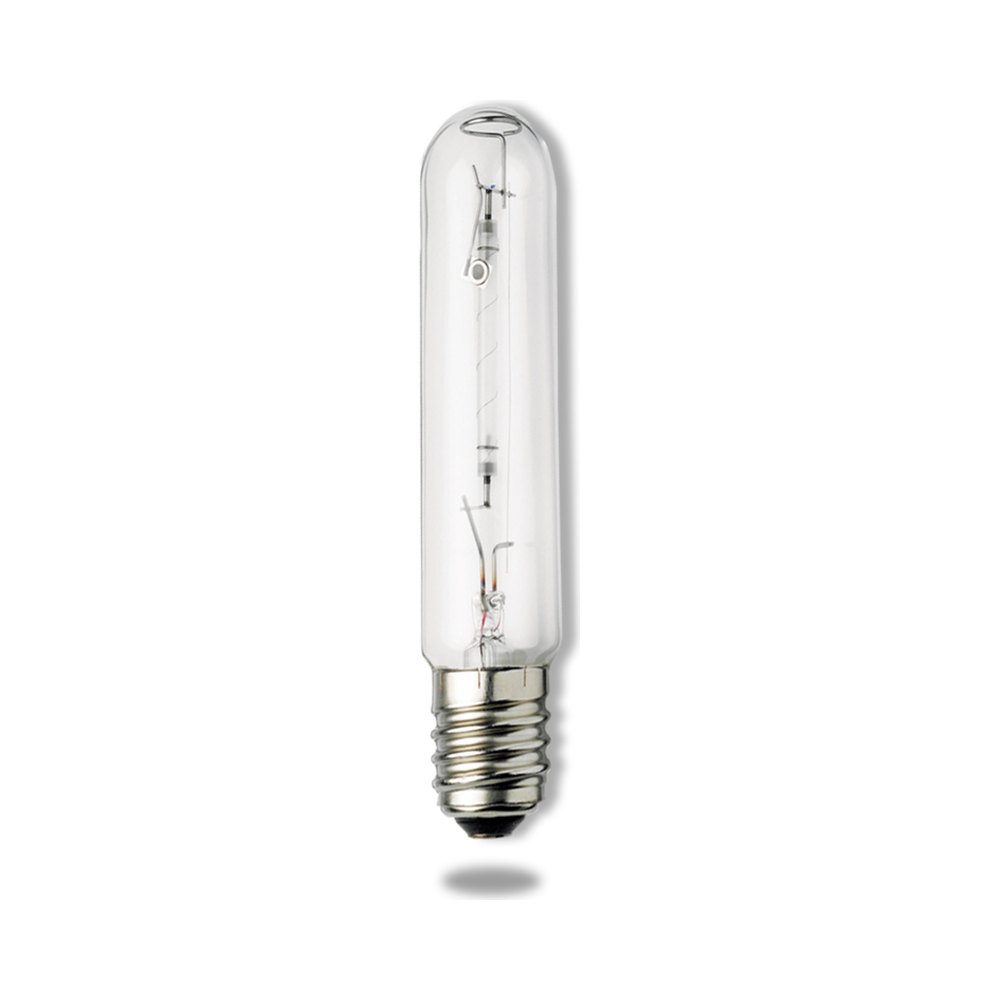
Replacing a halogen floodlight with an LED floodlight
A halogen floodlight in a yard, on a façade or over a loading door runs very hot and eats lamps. Beam angle, protection rating, colour and installation when moving to LED.
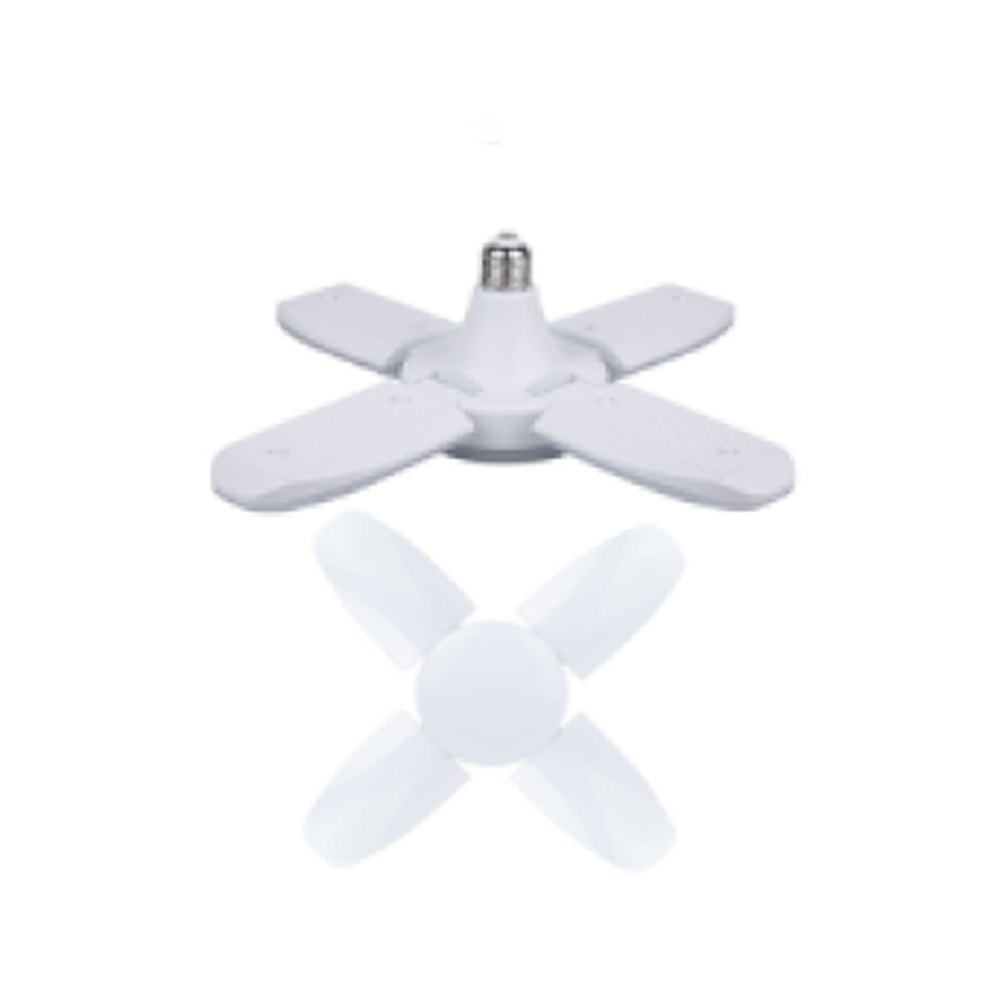
Swapping a garage fluorescent fitting for a folding LED lamp
An old garage fluorescent is slow in the cold, flickers and its tube breaks easily. A folding multi-blade LED lamp is a simple alternative, but check the holder, weight, aim and safety.
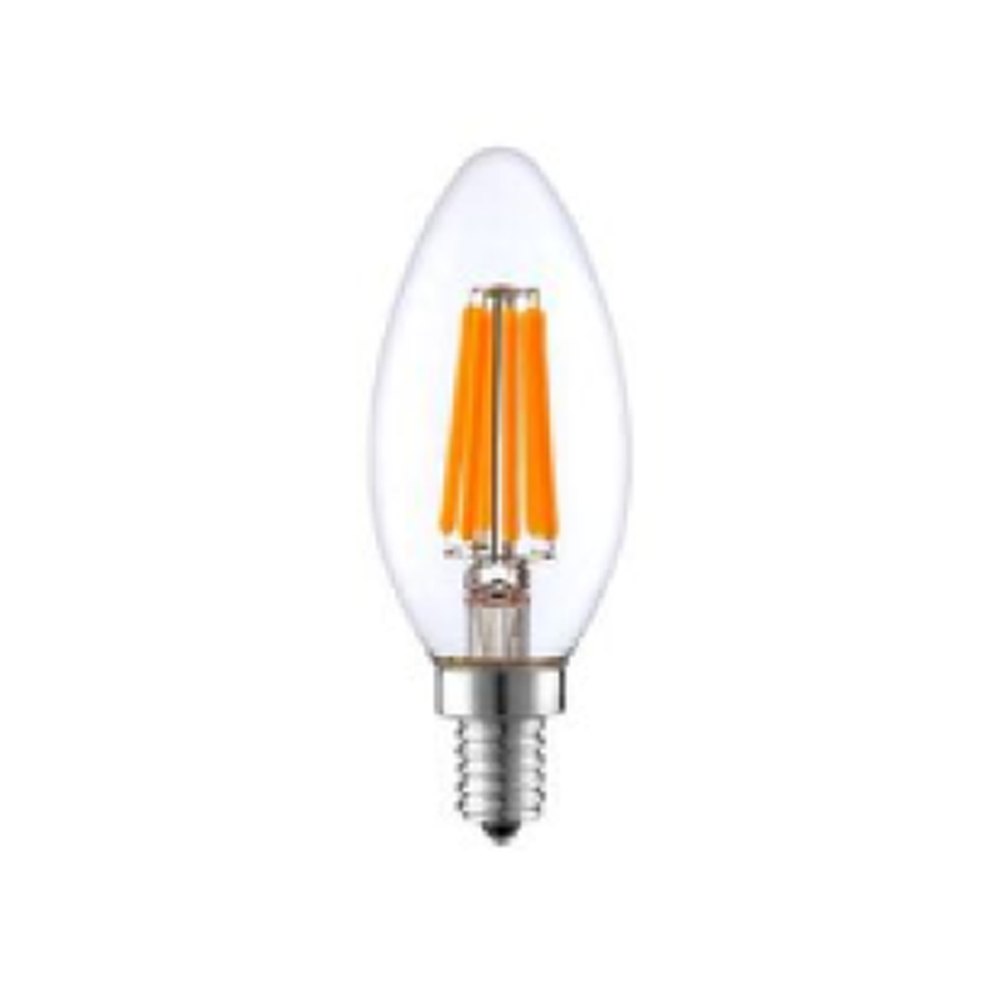
Can you mix LED and incandescent bulbs in one chandelier?
When a few bulbs in a chandelier fail, it is tempting to use LEDs and keep the old bulbs in the rest. Electrically that is possible, but it raises issues of appearance, heat and dimming.
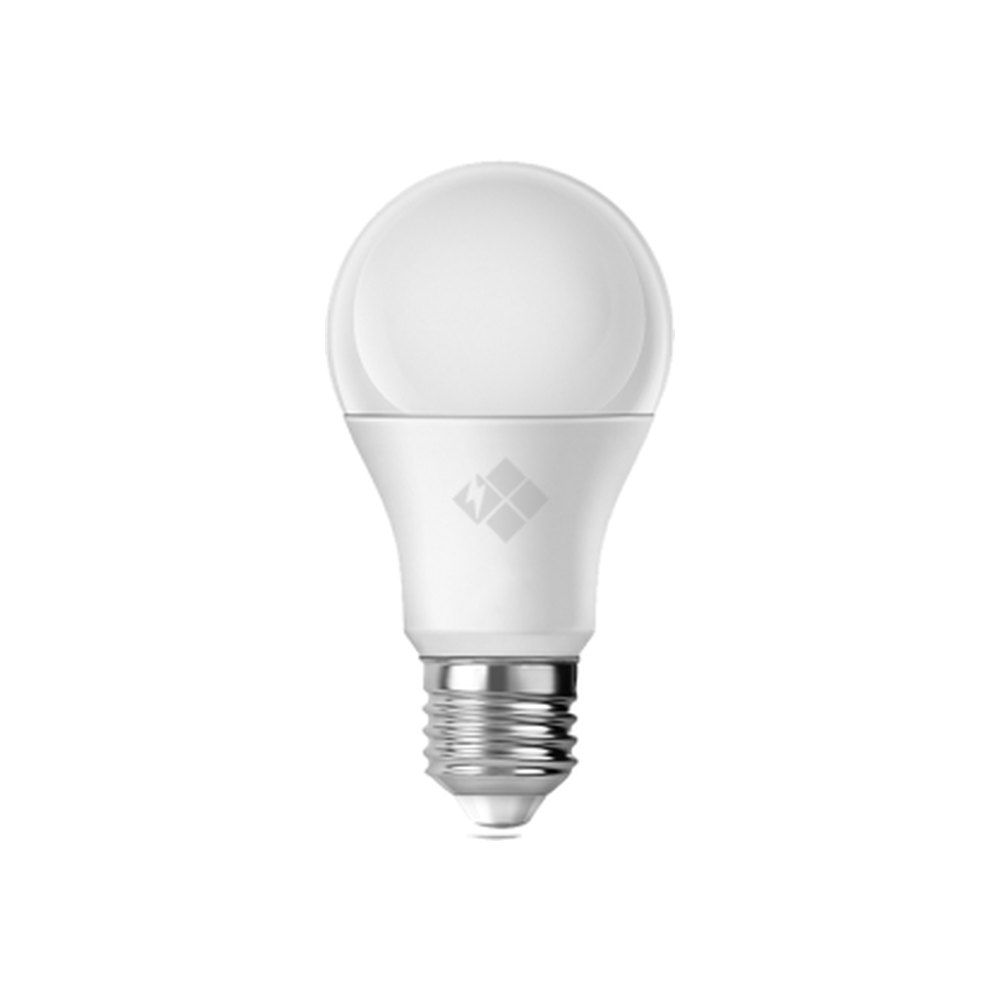
The room looks darker after switching to LED: why?
You swapped an old bulb for LED and the room went dim. Here are the usual causes and how to check each one in turn.
Keeping an old fitting and installing an LED module inside
A light fitting with a sound body but tired internals does not have to go. When an LED retrofit module makes sense, and how the job is done.
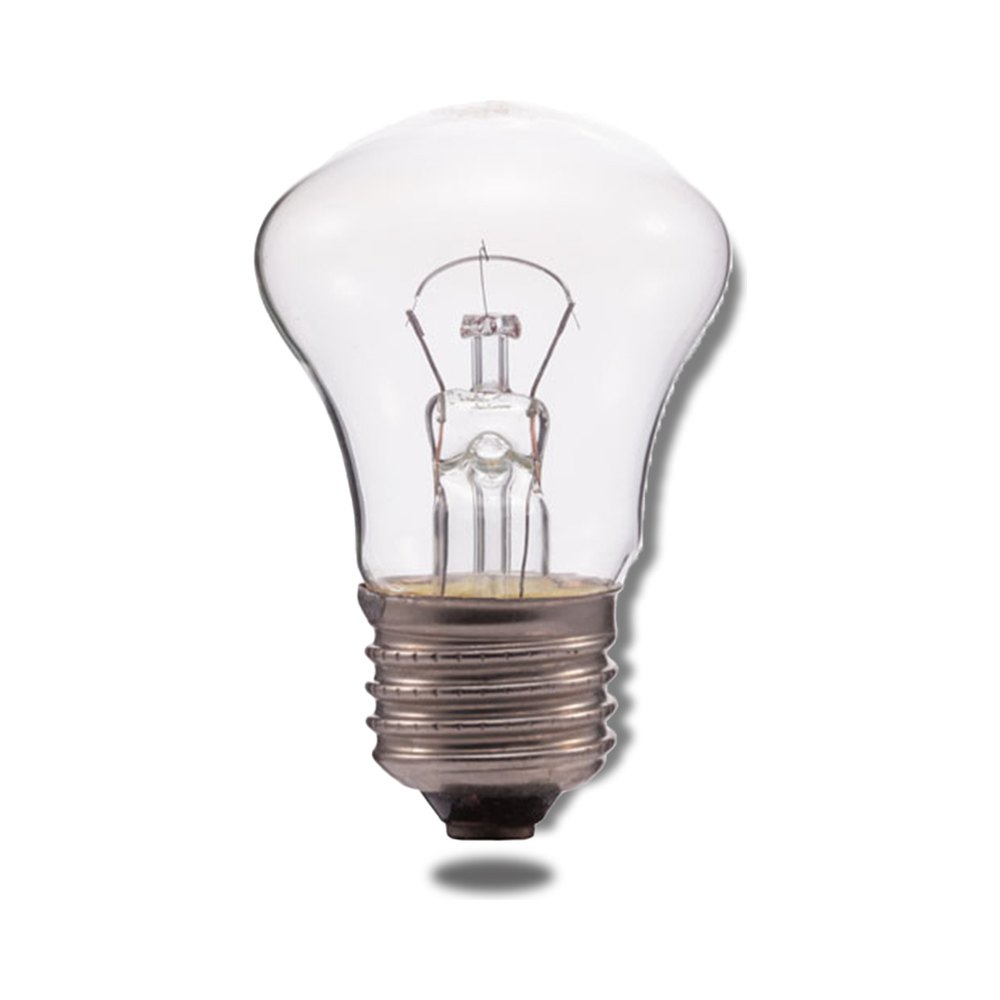
Infrared heat lamps: why LED cannot replace them
The red lamp over a chick brooder or in a bathroom heater is there for warmth, not light. Why swapping it for LED defeats its purpose.
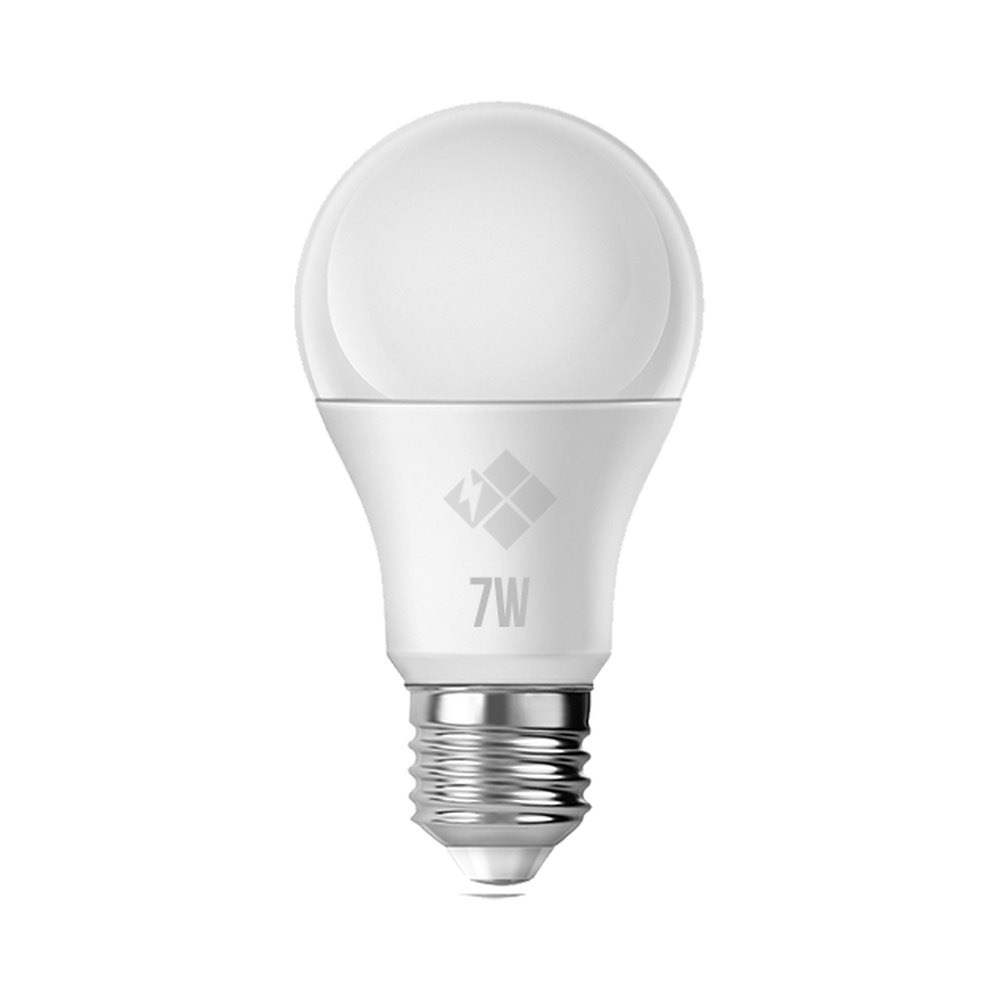
Common myths about LED bulbs
LEDs never get warm, switching them often ruins them, they all harm your eyes — which of these ideas hold up and which are half-truths.

Locally made LED bulbs: what changes for the buyer
What does ‘Made in Azerbaijan’ give a buyer in practice, and what does it not guarantee on its own? Points to check when choosing a local product.
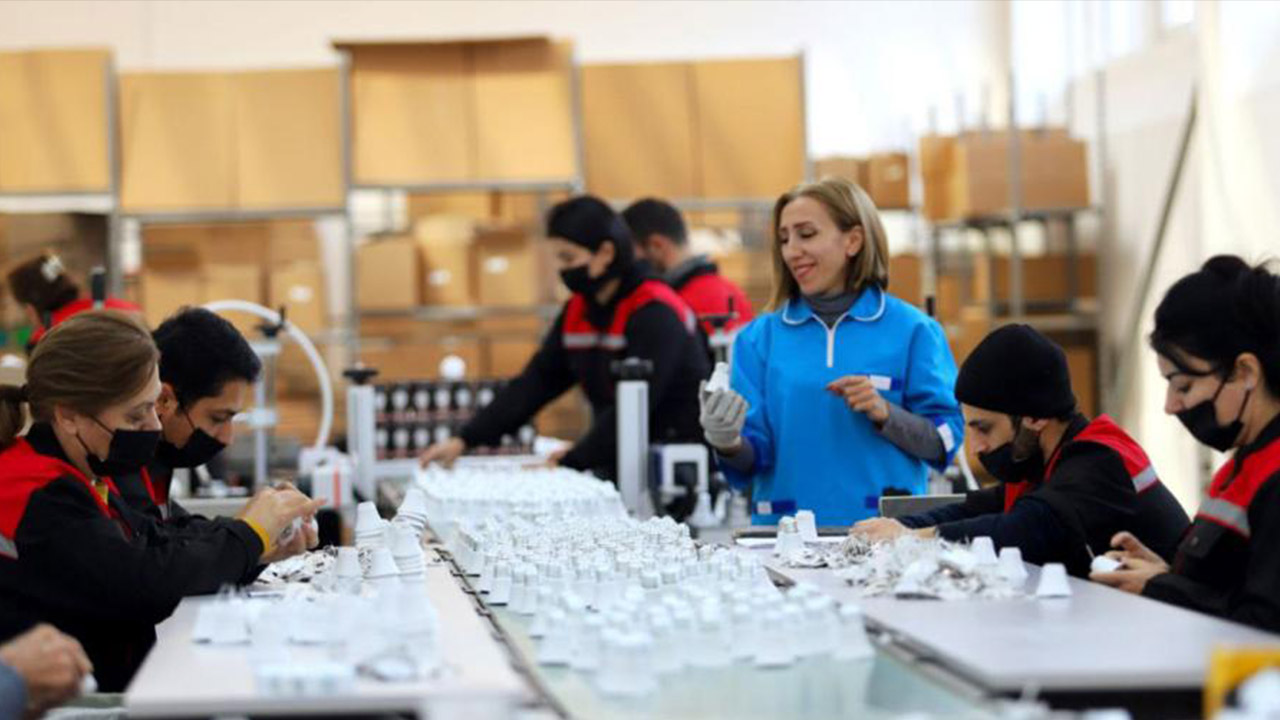
How an LED bulb is assembled: the main production stages
A small bulb brings together a board, a driver, a housing and a cap. The main stages an LED bulb goes through, from components to the box.
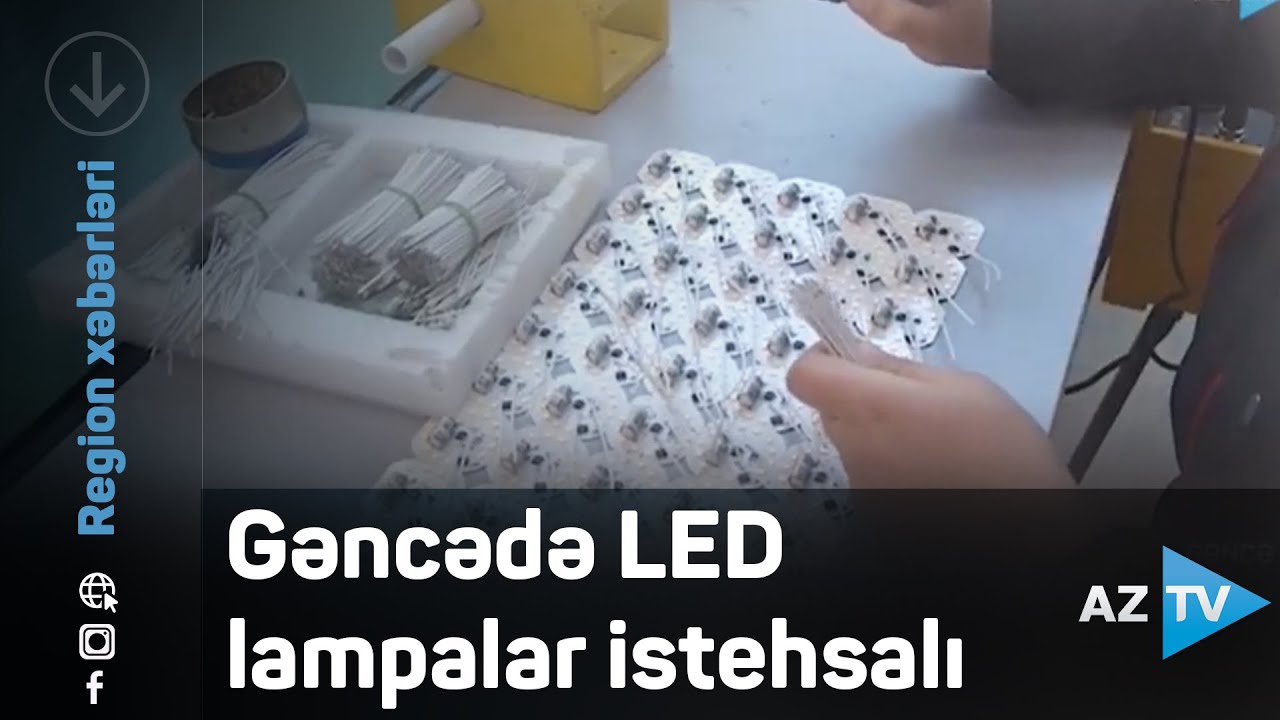
The LED board inside a bulb: aluminium base and chips
The round board under the dome is the heart of the bulb. Its layers, how the chips are arranged, and why one failed chip can switch off the whole lamp.
How quality is checked in lamp production
Quality control is more than a look at the finished product. The checks carried out from incoming parts to packing, and what each one measures.
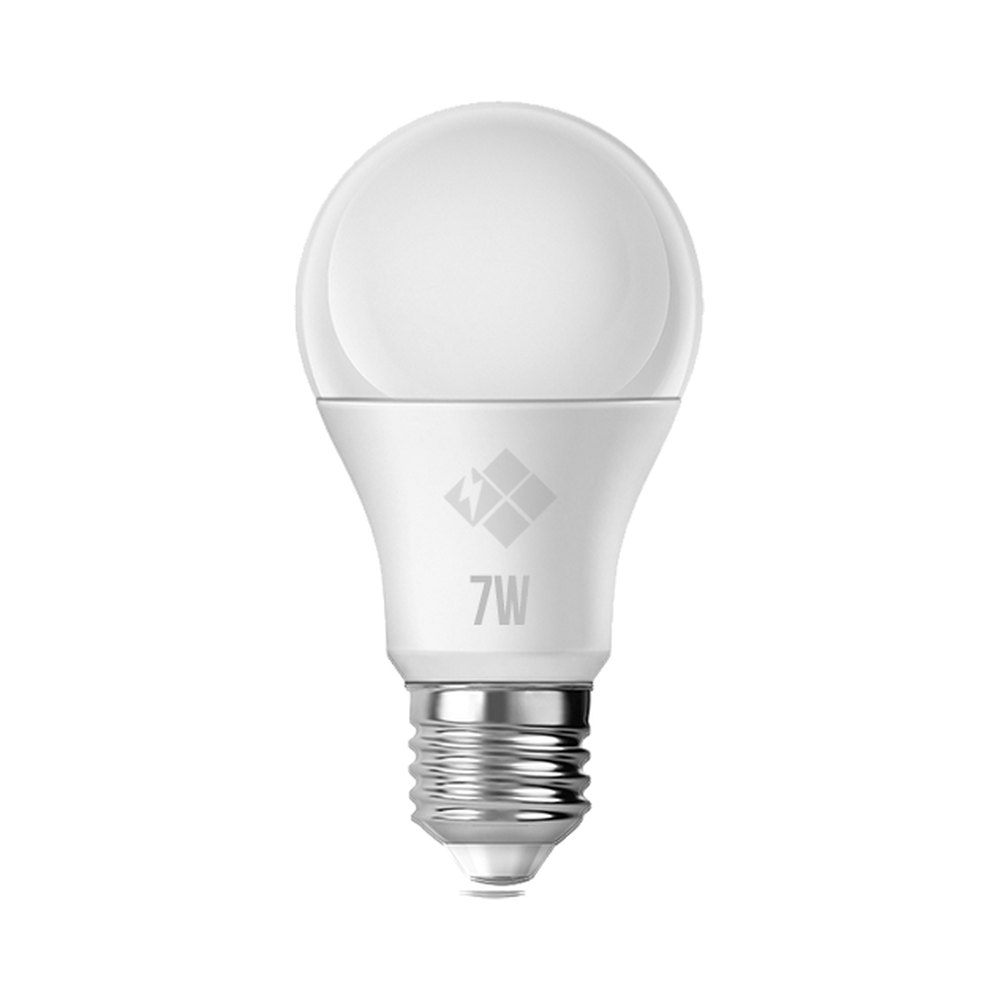
The Zəfər İşığı range: which types of lamp it covers
The Zəfər İşığı catalogue runs from classic E27 bulbs to filament, spot and high-power lamps. A grouped guide to which type suits which place.
Import substitution in LED lamps: what it means
Import substitution does not mean making everything in the country. What the idea really covers for LED bulbs, where its limits are and how it affects buyers.
What an LED bulb is made of and where the materials come from
An LED bulb combines semiconductors, metals, plastics, electronics and chemicals. What each component is made of and where it typically comes from.
The equipment used in an LED lamp plant
From the stencil printer to the burn-in rack: the main machines in an LED lamp factory, what each one does and what it means for buyers.
Protecting LEDs from static electricity during production
A static discharge too small to feel can damage an LED chip outright or leave a hidden flaw. Here is how production lines guard against it.