
The LED board inside a bulb: aluminium base and chips
The round board under the dome is the heart of the bulb. Its layers, how the chips are arranged, and why one failed chip can switch off the whole lamp.
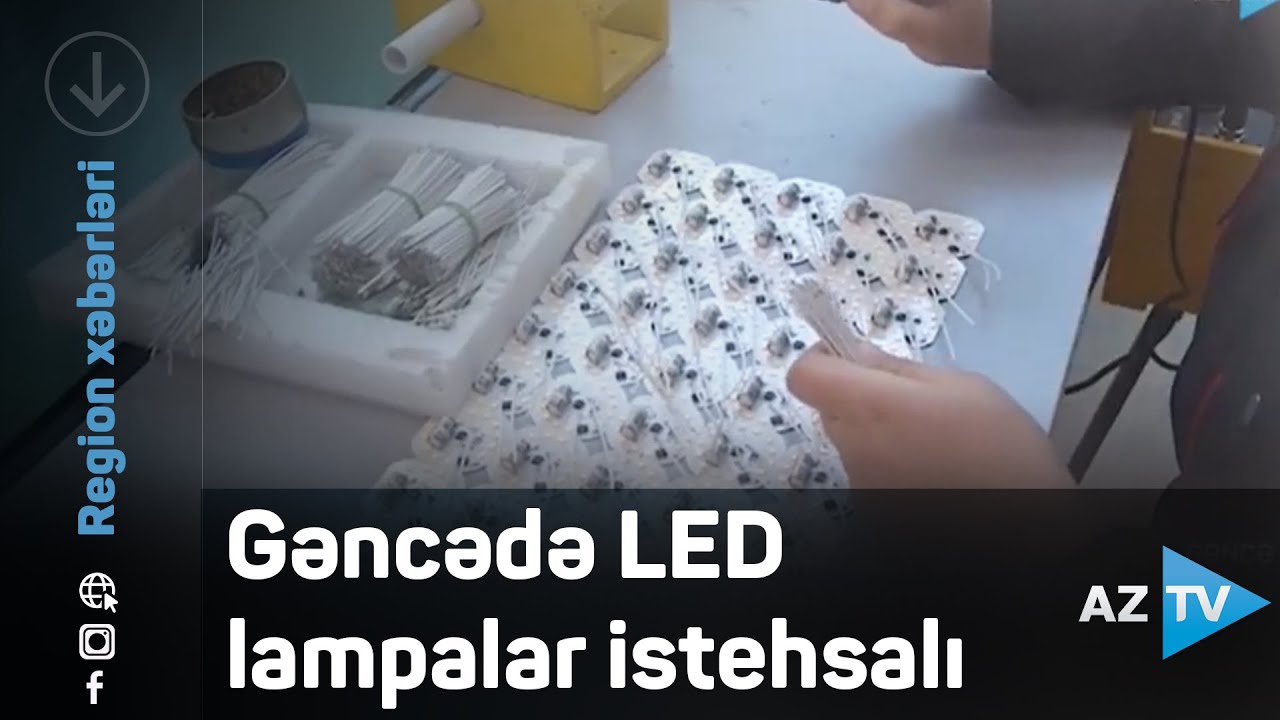
Anyone who has carefully removed the dome from a dead LED bulb has seen the same thing: a round white board with small yellow squares arranged in a ring. That board is the part that makes the light, and the way it is built has a direct effect on how long the bulb keeps working. Understanding it helps explain failures and shows what really separates one bulb from another.
Why aluminium?
In ordinary electronics, circuit boards are made from glass-fibre material. It insulates well but conducts heat poorly. An LED chip produces a good deal of heat in a tiny area, and if that heat is not drawn away quickly the chip temperature rises, the light output drops and ageing speeds up.
That is why LED bulbs usually use metal-core boards, most commonly with an aluminium base. Aluminium is light, conducts heat well and is relatively easy to work. The board takes heat from the chips and passes it to the body of the bulb, which then releases it into the surrounding air. The body itself is often aluminium on the inside with an insulating plastic shell on the outside: the metal spreads heat, the plastic keeps the bulb safe to touch.
In very low-power, low-cost bulbs you will sometimes find glass-fibre boards. That weakens the heat path and tends to limit how much power the bulb can handle comfortably.
The layers of the board
An aluminium-core board is not a single piece of metal but a stack of layers:
- Aluminium base — the thickest layer; it spreads heat and gives mechanical strength.
- Dielectric layer — a very thin insulating film that separates the circuit from the metal while getting in the way of heat as little as possible.
- Copper traces — the conductive paths that link the chips to each other and to the driver.
- Protective coating — usually white; it protects the copper from oxidising and reflects light upwards.
The dielectric is the most delicate part of the design. It has to withstand high voltage and still have minimal effect on heat transfer. The better this layer, the cooler the chips run.
Chips and phosphor
The yellow squares on the board are SMD LEDs. Inside each is a tiny semiconductor crystal that emits blue light. The crystal is covered with a yellow phosphor layer. Some of the blue is re-emitted by the phosphor at longer wavelengths, and our eyes blend the result into white. The phosphor mix and how thickly it is applied set both the tint and the colour rendering.
The chips are arranged in a circle so light falls evenly on the dome. Their number and the current each one receives together set the power and the thermal behaviour of the bulb: the same amount of light can come from a few chips driven hard or from more chips driven gently. The second approach usually lets the chips run cooler.
Series wiring and a typical failure
In household LED bulbs the chips are often wired in series, so current passes through one chip and on to the next. This keeps the driver simple but creates a weak point. If one chip in the chain burns open, the current path is broken and the whole bulb goes dark.
When such a bulb is opened, the failed chip is often visible: a black dot or a darkened patch in the middle of the yellow surface. Sometimes a chip does not fail outright but weakens, and the bulb starts to blink. Most of these faults come down to too much heat, or to a current that is too high for the chip.
What the board can tell you
A few signs in an opened bulb give an idea of quality. A board that sits flat against the housing, with thermal paste between them, shows the heat path was thought through. The chips should all look the same colour; neighbouring chips of different shades can point to careless selection. Solder joints should be bright and neat.
It should be said that taking apart a working bulb to inspect it is not advisable: it damages the dome and creates an electrical hazard. These signs are most useful for understanding why a bulb that has already failed stopped working.
Zaferoğlu Elektrik assembles its Zəfər İşığı LED bulbs in Ganja. The company’s product pages note features such as the absence of mercury and instant start-up.
All news