
Import substitution in LED lamps: what it means
Import substitution does not mean making everything in the country. What the idea really covers for LED bulbs, where its limits are and how it affects buyers.
‘Import substitution’ appears often in economic news but is rarely explained through an everyday product. The LED bulb is a good example: it looks simple, it is in every home, yet it depends on a global supply chain. This piece separates what import substitution means in practice in the lamp industry, what it changes and what it does not.
The idea itself
Import substitution means producing in the country a product that used to be brought in ready-made. The key word is ‘ready-made’. The aim is to meet part of domestic demand through local companies, reduce the currency paid abroad and create production jobs at home.
It is a matter of degree, not an absolute. No country makes every component of a modern electronic product entirely by itself. The question is not ‘is all of it local?’ but ‘how much of the value is created in the country?’
Several indicators are used to gauge this: the share of local materials and services in the cost of the product, the number of jobs created in the country, and which stages of the process take place at the local plant. It is quite normal for one indicator to be high and another low, and progress usually comes step by step.
The value chain of an LED bulb
Making an LED bulb involves several levels, each with different demands:
- Semiconductor chip production — requires very large investment and special clean rooms, and is concentrated in a small number of specialist plants worldwide.
- Electronic components — ICs, capacitors, rectifiers; these too are mostly bought from specialist producers.
- Mechanical parts — plastic housing and dome, metal cap, aluminium board, packaging.
- Assembly, testing and packing — turning parts into a bulb, quality control, marking.
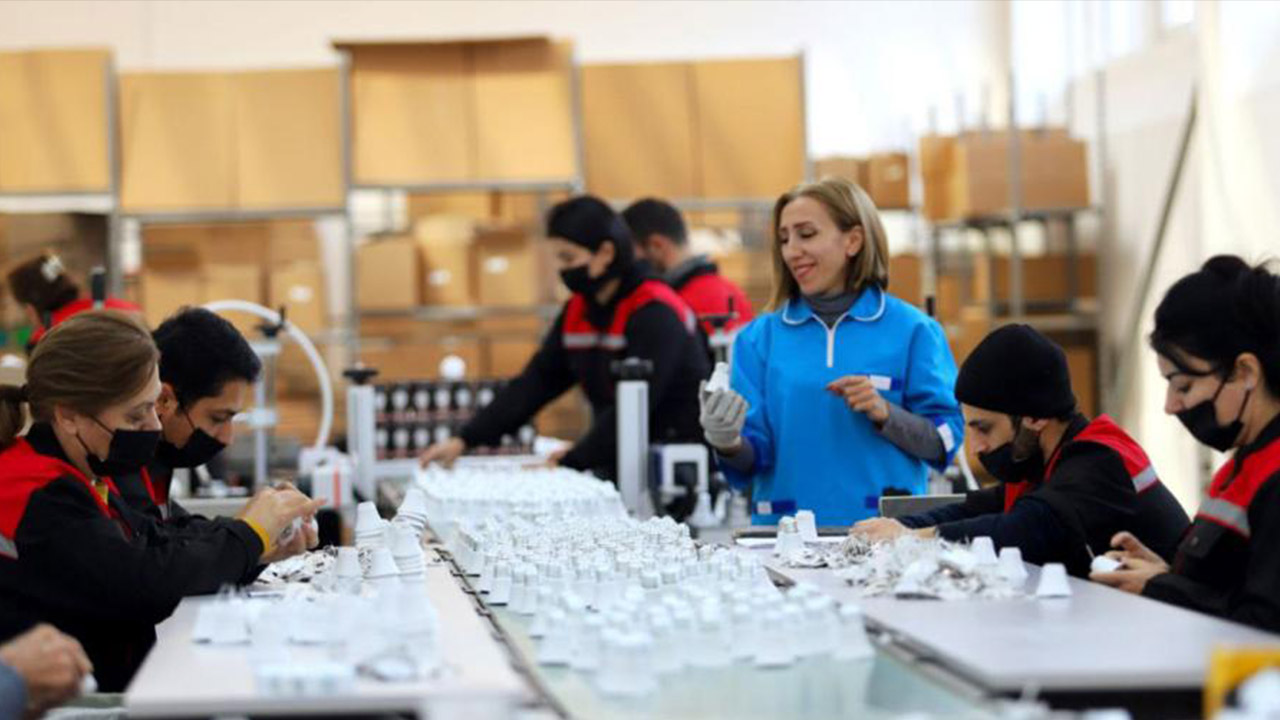
A lamp plant typically works at the last two levels. Buying chips and ICs from abroad is normal industry practice; the local share of value grows through mechanical parts, assembly, testing, packing and logistics.
The Zaferoğlu Elektrik example
According to information reported in the media when the company opened, 65 per cent of the raw materials needed to make its LED bulbs were sourced within the country and 35 per cent came from abroad, with plans to raise the local share in future. The same reports said that starting up the plant would allow imports in this field to be substituted, and that exporting the product was planned later on.
The project also received state support: part of the initial investment was provided through the Entrepreneurship Development Fund, and an investment promotion certificate was obtained. That certificate lets the company benefit from tax and customs concessions on imports, including for equipment brought from abroad.
What import substitution changes
At the economic level the changes are clear: part of the money that would go abroad stays in the country, production and technical jobs are created, and specialists gain experience in electronics assembly and quality control. Having production in a region also sets an example for other sectors.
For buyers the changes are more concrete. The supply chain gets shorter, direct contact with the manufacturer becomes possible, and the chance of finding the same model later improves. For organisations planning purchases for large sites, working with a local producer can reduce supply risk.
What it does not change
Import substitution has no automatic effect on product quality, positive or negative. Quality is decided by component choice, assembly discipline and the inspection system. So a local product should be judged by the same criteria as any other bulb: brightness, tint, the driver, heat management and whether the packaging tells you everything you need.
Nor does import substitution mean closing the market. Local and imported products compete on the same shelf, and that competition keeps choice open for buyers.
In short
Import-substituting LED bulb production means reducing imports of finished products, creating part of the value in the country and bringing supply closer. Chips coming from abroad do not contradict the idea. For the buyer, the main result is a more accessible manufacturer and steadier supply, while the quality criteria stay the same.
Zaferoğlu Elektrik opened its Ganja production site in December 2021 in a former sewing factory, and Zəfər İşığı bulbs have been made there ever since.
All news