
Why incandescent bulbs are being phased out
The incandescent bulb lit homes for over a century, yet in many countries it has left or is leaving the market. Why, how it happened and what it means for consumers.
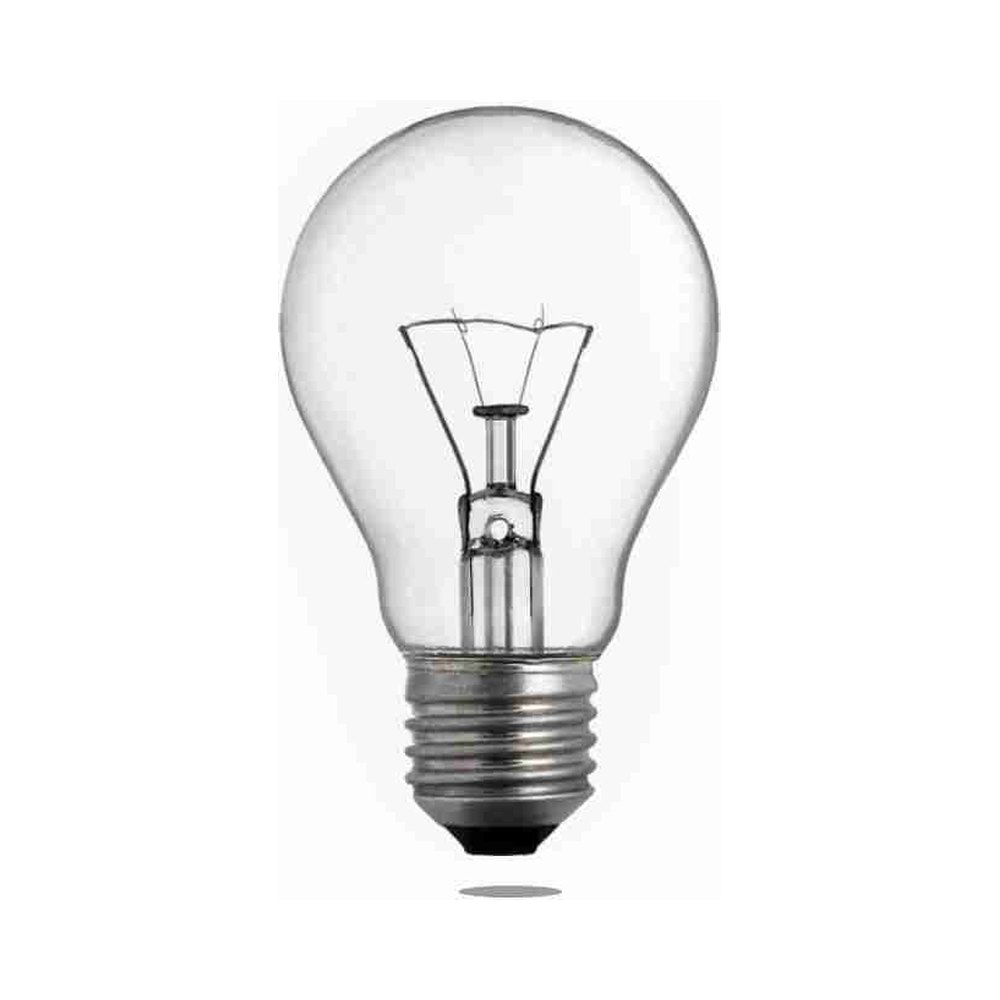
The incandescent bulb is the symbol of electric light: a cartoonist drawing someone having a bright idea still puts one above their head. Yet in many countries an ordinary incandescent bulb is now hard to find in a shop. That is not chance or a change in fashion but the result of decisions taken over several decades. Understanding the reasons helps explain what the transition has changed and why some lamps remain.
The main reason: most of the energy becomes heat
An incandescent bulb works on a simple principle: current passes through a tungsten filament, which heats up to thousands of degrees and begins to glow. The problem is that a body heated this way emits most of its radiation not as visible light but as infrared, which is heat.
As a result, only a very small share of the electricity supplied to an incandescent bulb becomes light, and the rest warms the room. For equal brightness, an LED draws only a fraction of the power. For one bulb the difference may look small, but across millions of lamps in homes, offices and streets it amounts to a significant share of a country's power station output.
Short service life
The second reason is durability. The hot tungsten filament gradually evaporates, thins and eventually breaks. An incandescent bulb typically lasts around a thousand hours. That means bulbs are bought, made, transported and thrown away more often.
LED bulbs last much longer, and halogen and compact fluorescent lamps also outlive incandescent ones. Efficient lamps therefore save both energy and materials.
How the transition happened
Incandescent bulbs were usually removed from the market not by an outright ban but by setting minimum efficiency requirements for lamps. Because traditional incandescent bulbs could not meet them, they gradually disappeared from sale.
Some examples:
- In the European Union, starting in 2009, first high-wattage and then lower-wattage incandescent bulbs were phased out in stages; a few years later restrictions were also applied to traditional halogen lamps.
- In the United States, an energy law passed in 2007 set efficiency standards for lamps, and these requirements were tightened in later years.
- Australia, Canada, China, Russia and many other countries followed similar paths at different times.
The change did not happen overnight but over years, giving manufacturers and shops time to sell existing stock and buyers time to get used to the alternatives. Requirements, dates and exemptions differ from country to country, and local rules decide what may be sold in a particular market.
The rise of alternatives
In the early stages, the main replacement for incandescent bulbs was the compact fluorescent, or energy-saving, lamp. It saved energy but had many drawbacks: slow warm-up to full brightness, cold and sometimes unpleasant light, mercury content and poor performance with dimmers. That caused dissatisfaction among consumers.
The rapid development of LED technology changed the picture. LED bulbs light instantly, can give warm light, contain no mercury and are made in a wide range of shapes and caps. Filament LEDs even managed to recreate the look of incandescent bulbs. Over time LED prices also fell, making the switch easier for consumers.
Which lamps remain
Incandescent technology has not disappeared completely. In many countries special-purpose lamps are excluded from the requirements: oven and high-temperature lamps, some signal and appliance lamps, infrared heat lamps, and lamps for technical and scientific purposes. They are not intended for general lighting, and the packaging usually says so.
In some markets, traditional incandescent bulbs are still sold and bought for particular needs.
What changes for consumers
In daily life the transition means changing a few habits:
- choosing a bulb by lumens rather than watts;
- choosing a colour temperature, since LED comes in warm, neutral and cool versions;
- checking compatibility with dimmers, sensors and enclosed shades;
- disposing of used lamps properly, especially fluorescent ones.
It is no coincidence that the Zaferoğlu Elektrik factory opened in Ganja in 2021 to make LEDs rather than incandescent bulbs. Alongside LED lamps, the company's catalogue also offers traditional incandescent lamps in various wattages, so buyers can choose according to their needs.
All news