
Replacing a halogen floodlight with an LED floodlight
A halogen floodlight in a yard, on a façade or over a loading door runs very hot and eats lamps. Beam angle, protection rating, colour and installation when moving to LED.
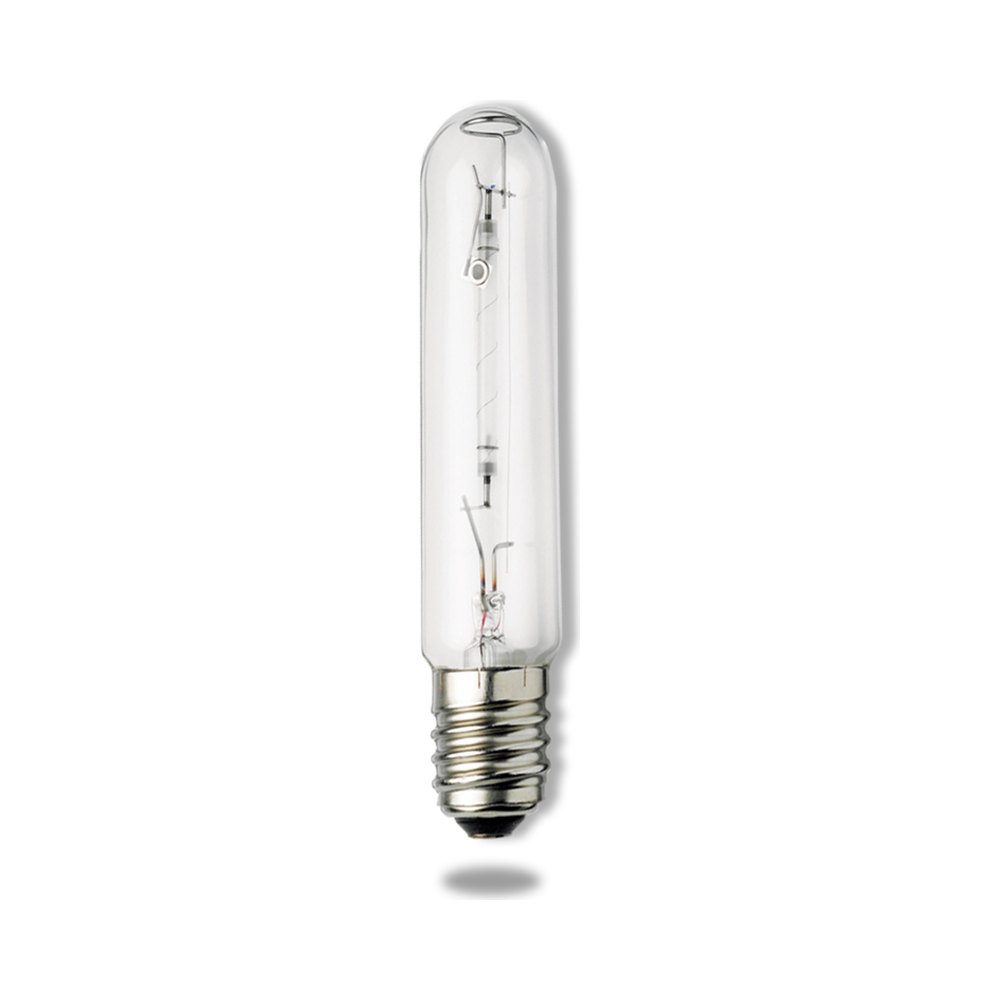
A rectangular black floodlight on the corner of a yard, above a garage door or on a shop front is a familiar sight. These fittings, with a long linear halogen lamp inside, are cheap and bright, but they get very hot, their lamps fail often and the glass can crack in the rain. LED floodlights do the same job with far less energy. The switch is simple, but choosing the right model means looking at a few key specifications.
The weaknesses of halogen floodlights
A classic halogen floodlight uses a linear halogen lamp with an R7s cap. Its main problems are:
- most of the energy turns into heat, and the body and glass get very hot;
- the lamp has a short life and is awkward to change at height;
- cold raindrops on the hot glass can crack it;
- touching the quartz lamp with bare fingers shortens its life;
- the high temperature is a hazard for nearby plastic, wood and plants.
Some people try to solve this by fitting an LED lamp into the R7s holder. But most R7s LED lamps emit light on one side only, differ from halogen lamps in length and thickness, and their drivers overheat inside an enclosed body. In most cases, switching to a complete LED floodlight is the more reliable route.
Light output: convert watts to lumens
Matching the new floodlight's watts to the old halogen's rating will leave you with far too much or far too little light. First work out the approximate light output of the halogen lamp from its box or the manufacturer's catalogue. Then look for an LED floodlight with similar lumens.
But the real result does not depend on lumens alone. A halogen floodlight's reflector loses part of the light, while an LED floodlight directs light more precisely with lenses or a reflector. In practice, an LED floodlight with fewer lumens can light the same area adequately. If unsure, install one model as a trial and judge the result in the evening.
Beam angle: what is needed where
LED floodlights distribute light in different ways:
- wide beam (about 100–120°) for large areas such as yards, car parks and the front of warehouses;
- medium beam (about 60°) for part of a façade, a gate or an entrance;
- narrow beam (30° or less) for picking out a distant point or a building feature from a tall mount.
A halogen floodlight usually gave a wide but uneven spread. When choosing an LED floodlight, consider the size of the area to be lit and the mounting height.
Protection, materials and heat
For a floodlight working outdoors, the ingress protection rating matters. IP65 or higher means reliable protection against dust and rain. Sealing the cable entry is also part of that protection: even with a good body, water can get in through the cable gland.
Look at the body material. An aluminium body dissipates heat well and extends LED life. In cheap models with thin, light bodies, the LEDs and driver heat up quickly. This is especially important for a floodlight that will sit in hot sun.
Colour, neighbours and installation
Halogen light is warm and yellowish, whereas LED floodlights are often sold with cool white light. For a yard or a home, 3000K–4000K looks more comfortable, while neutral or cool light can be chosen for a warehouse or car park.
Pay particular attention to aiming. A powerful floodlight pointed upwards or far away shines into neighbours' windows and into the eyes of drivers on the road. Tilt the floodlight down towards the area to be lit and, if necessary, choose a lower-output model.
Switch off the circuit breaker before removing the old floodlight. Outdoors, wire connections must be made in a waterproof box or in the floodlight's own terminal compartment. A residual current device on the circuit is an important safety measure for outdoor lighting.
LED floodlights are also convenient to control. Unlike halogen lamps, they tolerate frequent switching, so using one with a motion sensor makes sense. If constant light is needed, a photocell or timer cuts energy use further.
Quick selection list
- Work out the old lamp's lumens.
- Choose a beam angle to suit the area.
- IP65 or higher, aluminium body.
- Warm or neutral light for homes.
- Aim downwards and avoid dazzling neighbours.
- Control with a sensor or photocell.
The Zaferoğlu Elektrik range covers both sides of this choice: an E40 JTT halogen lamp and powerful LED lamps for yards and open areas. For outdoor use, the ingress protection of the fitting that will hold the lamp must be checked separately.
All news