
Keeping an old fitting and installing an LED module inside
A light fitting with a sound body but tired internals does not have to go. When an LED retrofit module makes sense, and how the job is done.
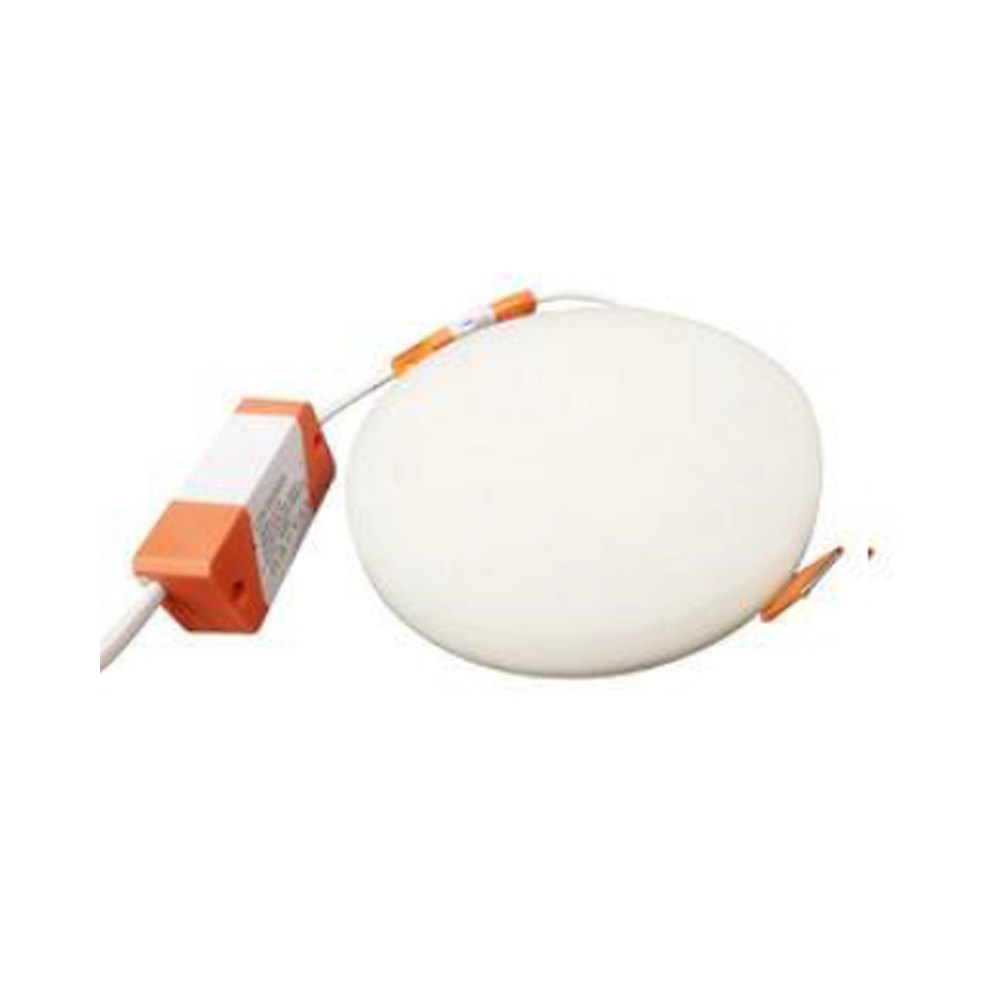
In many homes and offices the body of a light fitting is still in good shape: the metal housing has not rusted, the glass or decorative diffuser is still liked, and the ceiling fixing is solid. What has aged is the inside — fluorescent tubes, a choke, a starter, or lampholders made brittle by years of heat. In that situation, renewing the internals with an LED module can be a practical alternative to replacing the whole fitting.
Which fittings suit a retrofit
Retrofits are most often done in:
- round or square ceiling fittings with several lampholders or a circular fluorescent tube;
- decorative glass ceiling lights where the body is valuable or matches the interior;
- older office fittings wired for fluorescent tubes;
- enclosed fittings in bathrooms and hallways.
There are cases where it is not worth it. If the housing is bent, the glass is cracked, or the cable insulation is crumbling or blackened, new internals will not fix the underlying problem. In damp locations, a fitting whose gasket has perished and whose protection rating is no longer intact is not a good candidate either.
What an LED module consists of
Retrofit modules on the market usually consist of an aluminium or steel plate carrying the LEDs, lenses that spread the light, and a driver. Many attach with magnets, sticking to the metal base of the fitting without screws. The driver converts mains voltage into the steady current the LEDs need; it may be mounted on the plate or sit in a separate box.
Three things matter when choosing one: the diameter must fit inside the housing, the height must not stop the diffuser from closing, and the light output should be close to what the old setup gave. Matching the colour temperature to the other lights in the room keeps the space looking consistent.
How the retrofit is done
Because the work is on a mains circuit, the first step never changes: switch off the circuit breaker and confirm with a voltage tester that the supply is dead. After that the general sequence is:
1. Remove the diffuser and the old light sources.
2. In a fluorescent fitting, take out the choke, starter and capacitor entirely; the LED module does not work alongside them.
3. Remove old lampholders, brittle wires and discoloured terminal blocks.
4. If the housing has an earth wire, keep that connection intact.
5. Connect the module’s driver to the supply with a new terminal block, keeping live and neutral correct.
6. Fix the module in place, refit the diffuser and test the light.
If you are unsure about the wiring, hand the job to an electrician. In older buildings, wire colours in particular may not follow current conventions.
Points to watch
Heat. The module will run inside an enclosed shade. Good contact between the aluminium plate and the metal base of the fitting helps heat escape; a module mounted on a plastic base runs hotter.
The diffuser itself. If the old glass or plastic has yellowed, the new light will look yellowish too. Washing or replacing the diffuser during the retrofit makes a clear difference to the result.
Evenness. If the module sits very close to the diffuser, individual bright dots can show through. Modules with lenses and a frosted diffuser reduce this effect.
Documentation. The module’s box should state input voltage, power and conditions of use. A module without this information is also harder to match when it eventually needs replacing.
Other devices on the circuit. If the fitting is controlled by a motion sensor, an illuminated switch or a dimmer, check beforehand that the module works with it. An illuminated switch that caused no trouble with the old fluorescent gear can make an LED module glow faintly or blink occasionally when it is supposed to be off.
Future repairs. With modules whose driver sits in a separate box, a fault can often be fixed by replacing just the driver rather than the whole module. During installation, make sure the driver stays reachable when the diffuser is opened, and note down its model.
Retrofit or new fitting?
Ask one simple question: are the housing, the fixing and the cable in good condition? If yes, a module keeps the familiar look and gets rid of the flicker and hum of the old gear. If the housing is damaged, or the fitting has lost its protection for a damp location, a new fitting is the safer choice.
If the fitting takes screw-in bulbs and the lampholders are sound, a module may not be needed at all: replacing the old bulbs with LED bulbs of the same cap is enough. For such fittings, a plain E27 or E14 Zəfər İşığı LED bulb is often all that is needed.
All news