
Replacing fluorescent troffers in grid ceilings with LED panels
The suspended ceilings of offices and schools still hold four-tube fluorescent fittings. How to replace them with LED panels, sizing, installation and what to do with the old tubes.
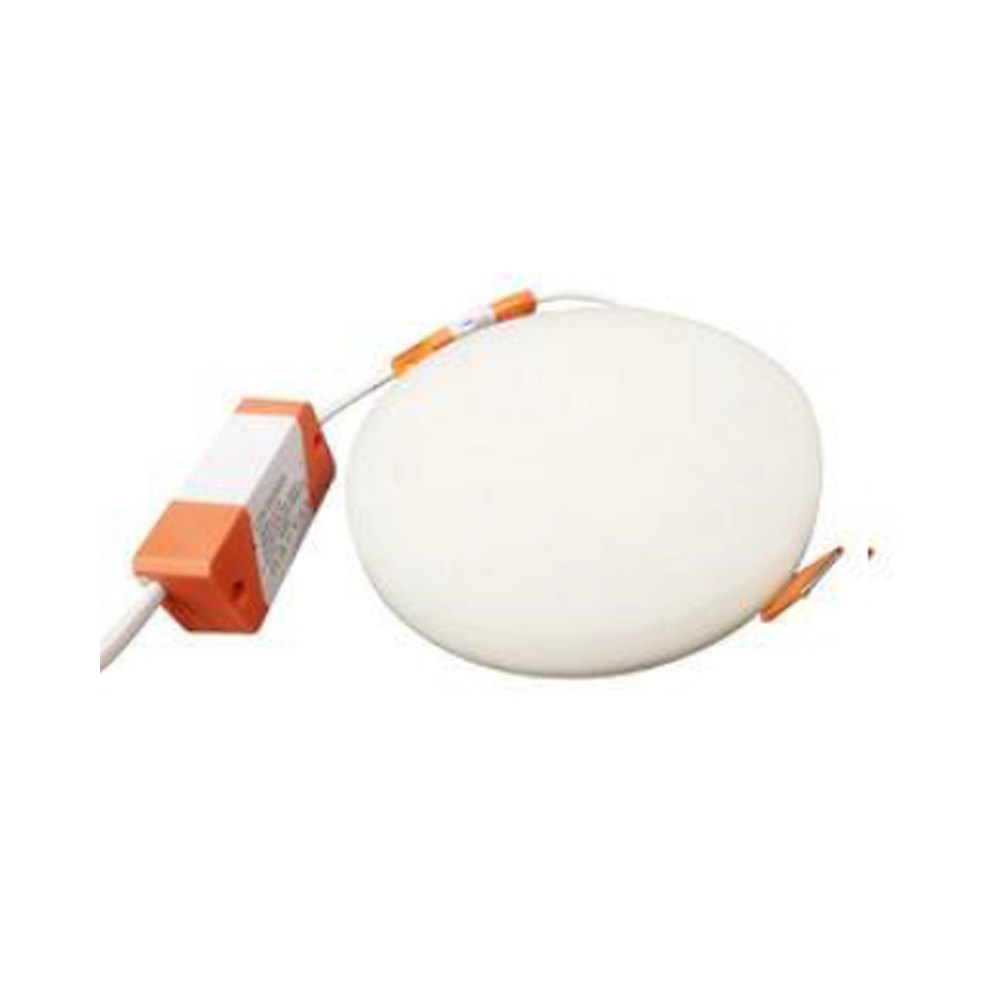
The ceilings of many offices, schools, clinics and shops look the same: white Armstrong tiles with square fittings holding four fluorescent tubes. Some tubes flicker, some glow weakly with blackened ends, and the ballasts hum. The most common way to upgrade these fittings is to replace them with LED panels. The job looks simple, but a few decisions at the planning stage determine the result.
Two routes: change the tubes or the fitting
A fluorescent fitting can be converted to LED in two ways. The first is to keep the body and replace the tubes with LED tubes. The second is to remove the whole fitting and put an LED panel in its place.
Changing tubes uses less material, but the old body, reflector and lampholders remain. If the fitting has been in service for many years, its plastic diffuser has yellowed, the lampholders have become brittle and the reflector is dusty. New tubes do not fix those weaknesses. The wiring also has to be modified and labelled.
An LED panel, on the other hand, is a new, self-contained product: a slim body, a diffuser that spreads light evenly and a separate driver. If the old fittings are badly worn, or a whole floor is being refurbished at once, replacing them with panels usually gives a neater result.
Size compatibility
The grid of an Armstrong ceiling is usually built on a 600 mm module, and the tiles sit in that grid. LED panels sold as 600×600 are often slightly smaller, about 595×595 mm, so they drop easily between the grid profiles.
Not all ceilings are the same, though. Some systems use different sizes; the American standard, for example, is based on inches. Before removing the old fitting, measure a tile and the grid spacing. The width and profile of the grid also matter: concealed or narrow-profile ceilings may need a special frame for the panel.
Installation: simple but careful
The main steps for installing a panel in a grid ceiling are:
- Isolate the lighting circuit at the panel and test that the wires are dead.
- Lift the old fitting out of the grid and disconnect it. Remove the fluorescent tubes first, without breaking them, and set them aside.
- Place the LED panel's driver above the ceiling: it should not just lie loose on a tile, nor sit where hot air collects or where it is covered with insulation.
- Connect the driver to the supply through a terminal block and plug the panel into the driver's connector.
- Lay the panel in the grid profiles. If the ceiling is weak or the panel is heavy, secure it to the structural ceiling with an additional suspension wire.
Because the panel simply rests on the profiles, reaching the driver later is easy: lift the panel and slide it aside.
Lighting result: not just one for one
Putting the same number of panels in place of the old fittings is the easiest route, but the result is not always the same.
A fluorescent fitting loses part of its light inside the body, while an LED panel delivers light more efficiently. The same number of high-output panels can therefore make the room considerably brighter than before. In some cases lower-output panels or fewer panels are enough. Conversely, if the old fittings were weak and workstations were left in shadow, the upgrade is a chance to fix that.
Glare also matters in offices and classrooms. Panels with microprismatic diffusers reduce reflections in monitors and on whiteboards, while simple opal diffusers give a bright surface that can be tiring. Choose one colour temperature for the whole space; 4000K is usually a good balance for offices.
Emergency light, controls and the old tubes
Some old fittings contain an emergency pack that runs one tube from a battery during a power cut. That function must not be lost when the fitting comes out. Either choose some of the new panels with emergency packs or install separate emergency luminaires.
The upgrade is also a chance to improve controls: put the row nearest the windows on its own circuit, add a sensor in the corridor, fit a dimmer in the meeting room.
The fluorescent tubes that come out contain mercury. They must not be thrown away with ordinary construction waste; pack them unbroken in boxes and take them to a proper collection point. Old ballasts, capacitors and bodies can be separated as electronic and metal waste.
Zaferoğlu Elektrik's catalogue also includes traditional fluorescent tubes and starters for those who are keeping old fittings for now. After an upgrade, the screw-in LED lamps needed for utility rooms and corridors can be chosen from the same catalogue by cap type.
All news