Infrared heat lamps: why LED cannot replace them
The red lamp over a chick brooder or in a bathroom heater is there for warmth, not light. Why swapping it for LED defeats its purpose.
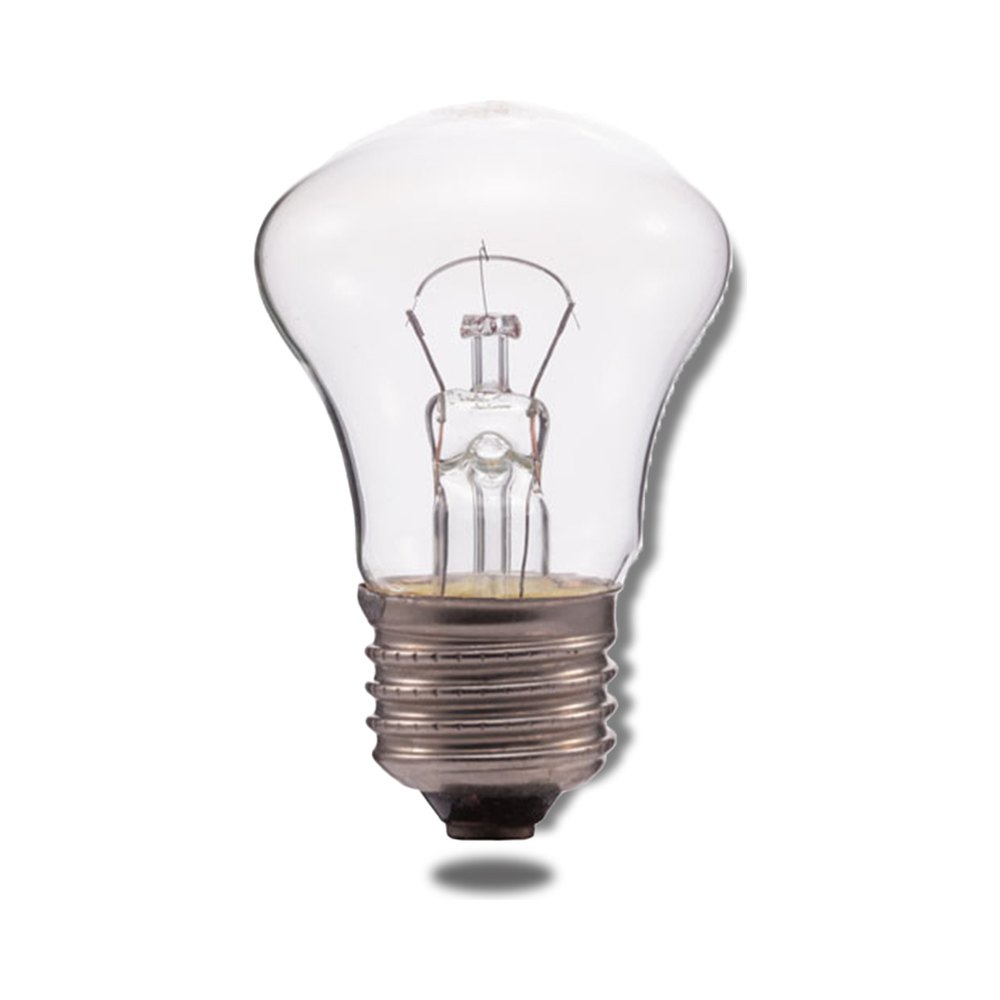
Most advice about moving to LED starts the same way: take out the old bulb, fit an LED bulb with the same cap, and save energy. For ordinary lighting that is sound. But some lamps only look like light bulbs; their real job is to heat. Infrared heat lamps are exactly that, and replacing one with an LED removes the heat source altogether. Missing this difference can harm animals and create a new problem instead of the expected saving.
What an infrared lamp is for
An infrared heat lamp works on the incandescent principle: a filament gets hot and energy radiates outwards. In a normal incandescent bulb, losing most of that energy as heat is a drawback. In a heat lamp, that heat is the whole point. These lamps are typically used:
- in poultry and livestock keeping, as local warmth for chicks and young animals;
- in terrariums and some pet enclosures, to create a warm spot;
- in some bathroom heaters and short-term spot-heating units;
- in food display units, to keep dishes warm.
The glass is often red. Red glass reduces visible glare so that animals are not under harsh light day and night, while the heat radiation continues.
If you are not sure what kind of lamp has been left in a house or outbuilding, look for a few signs. The glass usually carries an ‘IR’ mark or wording that indicates heating. A mirror-like reflective coating inside the bulb directs the heat one way. The stated power is well above that of ordinary household bulbs, and the lamp is often fitted in a ceramic holder. If you see these signs, what you have is a heater, not a light source.
Why an LED cannot do the same job
The whole advantage of an LED lamp is that it turns more of its energy into visible light and gives off almost no infrared radiation. The body of the lamp does get warm, but that heat comes from the driver and chips and is shed through the heat sink; it is not radiation aimed at warming an animal or a surface.
In other words, fitting a red LED bulb copies the colour of an infrared lamp, not its function. In a brooder, such a swap can let the temperature fall sharply overnight, which is dangerous for the animals.
How to think about saving energy here
Heat lamps draw a lot of power, which naturally makes people want to cut consumption. But the right question is not which bulb uses less, it is which method delivers the necessary warmth most efficiently. The options are:
- controlling the infrared lamp with a thermostat so it switches off once the temperature is adequate;
- setting the lamp at the correct height — too high wastes heat, too low overheats;
- shielding the heated area from the sides so draughts do not carry the warmth away;
- where light is not needed, considering ceramic infrared emitters, which give no visible light.
Lighting and heating are separate tasks. Using LED bulbs for general light in a barn or coop and a dedicated heat source for warmth is a sensible way to divide them.
Safety rules
An infrared lamp gets very hot and, if badly installed, is a fire risk. The key rules are:
1. Use ceramic lampholders only; a plastic holder can melt.
2. Never hang the lamp by its cable; use a separate chain or bracket.
3. Keep it well away from straw, wood shavings, bedding and other flammable material.
4. Fit a guard so that if the lamp drops it does not touch the material directly.
5. Where drips of water are possible, choose a lamp with splash-resistant glass; hot glass can crack.
6. Use cable and switches rated for the power of the lamp and holder.
The bottom line
In any plan to switch to LED, infrared heat lamps belong on a separate line: they should not be replaced but controlled properly. For ordinary lighting at home or on a farm, LED really is the more efficient choice.
Alongside its LED bulbs, Zaferoğlu Elektrik’s catalogue also lists incandescent lamps in several wattages. Checking the product information to see what each lamp is intended for helps keep lighting needs and heating needs from getting mixed up.
All news