
Replacing compact fluorescent “energy-saving” bulbs with LED
Spiral and U-shaped energy-saving bulbs were once the symbol of efficiency. Why it now makes sense to replace them with LED, how to choose, and how to dispose of them.
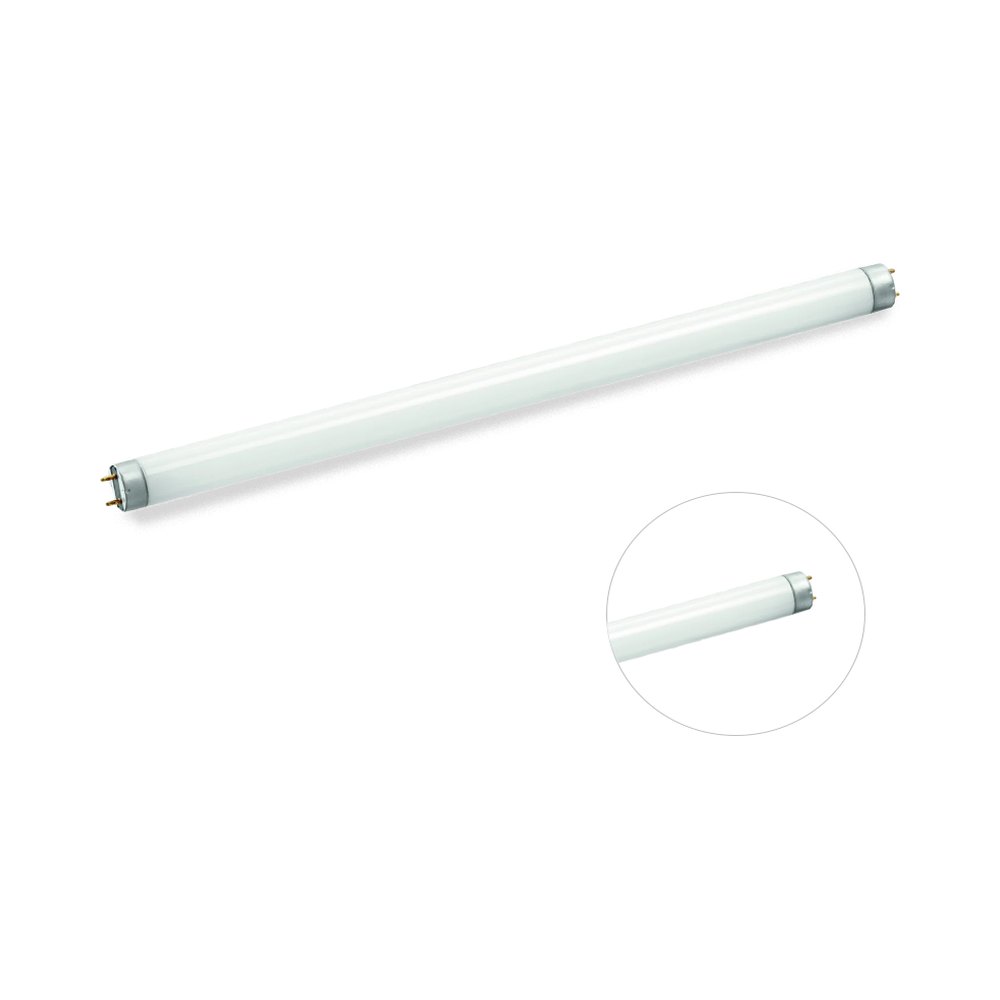
Ten or fifteen years ago, many households that gave up incandescent bulbs moved first to energy-saving bulbs, the compact fluorescent lamps. Made of a spiral or several U-shaped tubes, they screwed into E27 and E14 holders and used far less energy than incandescent bulbs. Today LED bulbs have almost completely taken their place. If such bulbs are still burning in your home, there are good reasons to change them.
How a compact fluorescent lamp works
A compact fluorescent lamp is really a folded fluorescent tube. A small electronic ballast sits in its base, and the tube contains inert gas and a small amount of mercury vapour. A discharge through mercury vapour produces ultraviolet, and a powder layer lining the glass turns that invisible radiation into light we can see.
That principle was far more efficient than an incandescent filament, but some of its traits were a nuisance in daily use.
Why moving to LED makes sense
- Warm-up time. A compact fluorescent lamp starts dim and reaches full brightness gradually, especially in a cold room. An LED gives full light immediately.
- Sensitivity to frequent switching. Short on-off cycles wear out the electrodes of a fluorescent lamp, so in hallways, toilets and storerooms these bulbs failed sooner than expected. That is much less of an issue for LED bulbs.
- Mercury. The lamp contains a small amount of mercury, so it needs careful handling if broken and dedicated disposal afterwards. LED bulbs contain no mercury.
- Colour quality. Many cheap compact fluorescents made colours look washed out or greenish. Among modern LED bulbs, models with good colour rendering are easy to find.
- Dimming. Standard compact fluorescent lamps do not work with dimmers. Dimmable LED bulbs are widely available.
- Energy. For the same amount of light, an LED bulb usually draws even less power than a compact fluorescent.
Choosing the right LED bulb
Start with the old bulb's box or base. It shows the cap, the wattage and often an incandescent equivalent. When choosing the LED replacement, comparing lumen figures on the packaging is more accurate than relying on that equivalent.
Pay attention to colour temperature. Compact fluorescents were sold in both warm and cool white. To keep the atmosphere you are used to, pick an LED close to the old bulb's kelvin rating. If you never really liked the old light, this is a good moment for a change.
Shape and size matter too. Spiral bulbs were often long and stuck out of lampshades. A classic pear-shaped LED bulb is usually shorter and looks neater under a shade. For small shades, candle or globe LED bulbs are worth considering.
Removing the old bulb, and if it breaks
Unscrew a compact fluorescent bulb by holding its plastic base, not by pulling on the glass tubes. The tubes are thin and can break under pressure.
If the bulb breaks:
- ask everyone, animals included, to leave, then open the window and let fresh air through for a good few minutes;
- do not vacuum the fragments, which spreads mercury vapour into the air;
- gather the pieces with stiff card and pick up small particles with sticky tape;
- put everything into a sealed glass jar or a tightly closed bag, and do not mix it with ordinary rubbish.
Disposal
Used compact fluorescent lamps, broken or not, are not ordinary household waste. They should go to collection points that accept mercury-containing lamps. If you are replacing several bulbs, collecting them in their original boxes or in a cardboard box where they cannot break makes it easy to take them all at once.
Switching to LED is also a good time to look through any spare compact fluorescents kept at home: if they will no longer be used, hand them in the same way.
The Zəfər İşığı LED bulbs made by Zaferoğlu Elektrik in Ganja include classic E27 models and E14 candle bulbs. When replacing an energy-saving bulb, comparing cap, light output and colour as described above is all it takes.
All news