
Replacing incandescent bulbs with LED: what to look for
Swapping an incandescent bulb for LED looks simple, but the wrong choice of brightness, cap, shape, colour or dimmer compatibility leads to disappointment. A step-by-step guide.
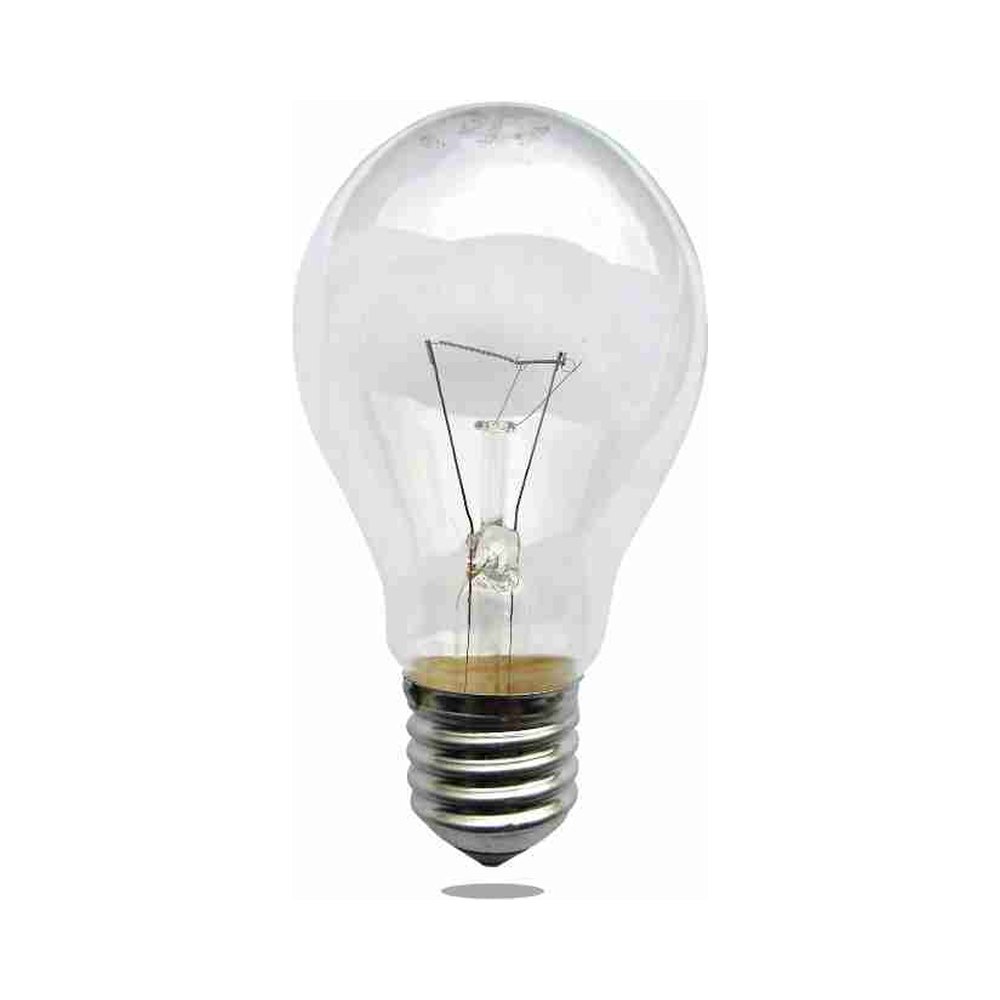
The old incandescent bulb has burned out, and the shop shelves are full of LED bulbs. Watts, lumens, kelvins, beam angles and dimmer symbols on the boxes can look confusing at first. In practice, a good replacement only requires answers to five questions about the old bulb: what cap it had, how much light it gave, what shape it was, what colour its light was, and what fitting and switch it worked with.
Look at the amount of light, not the watts
In the incandescent era, wattage described both consumption and brightness, because all bulbs used roughly the same technology. With LED that link breaks: the same amount of light can be produced with far less power. So the key figure when choosing a new bulb is lumens, the total light output.
Boxes often say something like 'equivalent to a 60 W incandescent bulb'. That is a useful pointer, but manufacturers may calculate the equivalence differently. A more reliable approach is to know the old bulb's wattage and compare lumen figures on the packaging. If in doubt, going slightly higher in lumens is usually better: LED light can be more directional, and a room may look dimmer than expected.
Cap and size
Most incandescent bulbs have E27 or E14 screw caps, and LED bulbs are made with the same caps. You can identify the cap from the marking on the old bulb or by measuring it.
Even with the same cap, the body may differ. An LED bulb houses its driver and a heat-conducting body at the base, so some models are longer or wider than an incandescent bulb of the same shape. This matters most in small enclosed shades, table lamps with a shade ring and narrow glass cups on chandelier arms. Check how much room the shade leaves, or bring the old bulb along when you buy.
Shape and light distribution
An incandescent filament spreads light almost evenly in every direction. In many LED bulbs, the light source sits on one side of a board and the light goes mainly up and out through the sides of the cover. In an open pendant, a floor lamp or an uplighter, that difference can be noticeable.
The classic pear shape suits general lighting, candle bulbs suit chandeliers and wall lights, and small globe bulbs suit decorative shades. In clear-glass chandeliers where visible LED chips are unwelcome, filament LED bulbs come closest to the incandescent look.
Colour temperature and colour rendering
Incandescent light is warm and yellowish. To keep the same atmosphere at home, choose warm white LED bulbs in the 2700–3000 K range. Neutral white at 4000 K suits kitchens and work areas, while cool white at 6500 K is more at home in storerooms, workshops and utility spaces. Mixing different colour temperatures in one room is noticeable and often looks unpleasant.
The second figure is the colour rendering index (CRI or Ra). Incandescent bulbs render colours very naturally. For living spaces it makes sense to choose LED bulbs with a CRI of at least 80, and to prefer higher values where skin tones and the colour of food matter.
Dimmers, enclosed fittings and switches
An incandescent bulb worked with any ordinary dimmer. An LED bulb can only be dimmed if the packaging says it is dimmable, and the dimmer itself must also be suitable for LED loads. If the two do not suit each other, you will see flicker, hear a hum, or notice a faint glow after switching off.
In a fully enclosed shade, an LED driver struggles to shed heat. A note on the packaging allowing use in enclosed fittings shows that those conditions were taken into account.
Illuminated switches and switches that break the neutral can make a switched-off LED bulb glow faintly. If this appears after the swap, when it never showed with incandescent bulbs, the cause lies in the circuit rather than the bulb.
Quick checklist
- Cap: E27, E14 or other — check the old bulb.
- Light output: go by lumens, compared with the old bulb's wattage.
- Size: does it fit the fitting without sticking out of the shade?
- Colour: 2700–3000 K for a warm atmosphere.
- Dimmer: bulb and dimmer must both be compatible.
- Enclosed shade: look for approval on the packaging.
To replace incandescent bulbs, Zəfər İşığı offers classic E27 LED bulbs and E14 candle and filament lamps. The catalogue also still lists incandescent lamps for particular uses, so both technologies can be compared side by side.
All news