
News
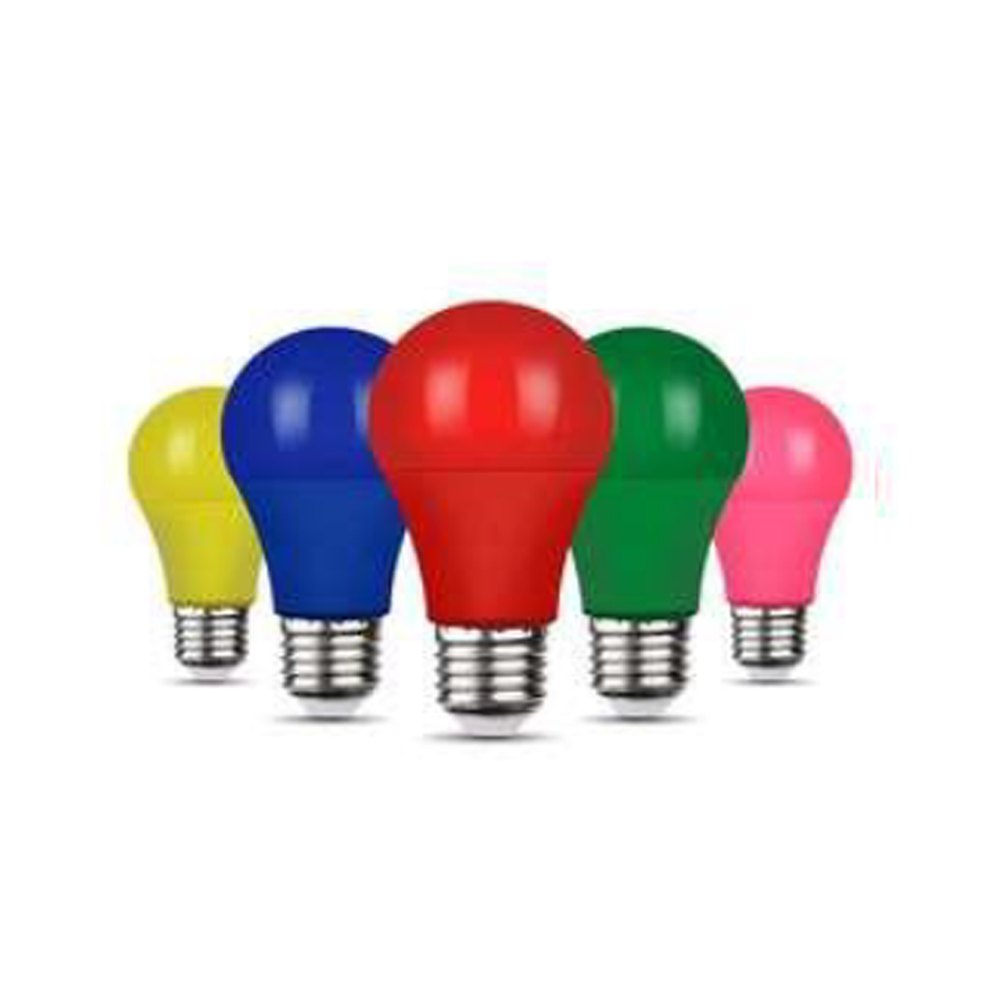
How coloured and RGB LEDs create colour
A coloured LED makes its colour with the semiconductor itself, not with paint. RGB lamps mix three primaries. How both approaches work and where their limits lie.
Symbols on bulbs and boxes: CE, dimmable and disposal marks
The small marks on a lamp box carry information that matters for choosing and using a bulb. What CE, the crossed-out bin, the dimmer symbol and other marks actually mean.
Motion sensor and LED bulb not working properly: causes
When a motion sensor that worked for years with incandescent bulbs misbehaves after an LED swap, the cause is usually the sensor wiring and the type of load.
A bulb goes off after a while and then comes back on: why?
A bulb that runs for half an hour, cuts out and comes back once it cools is usually telling you about heat. Thermal protection, other causes and simple checks at home.
How white LED light is made: a blue diode and phosphor
There is no such thing as a diode that emits white on its own. Here is how a blue chip and a yellow phosphor layer work together to produce white light.
Why a bulb’s rated wattage and its measured draw can differ
When a plug-in power meter shows a different number from the one printed on a bulb, do not jump to conclusions. Here are the main reasons and how to measure properly.
Controlling a light from two places: two-way switches
Long corridors, staircases and bedrooms often need a light that can be switched from two points. Here is how two-way switching works and where it usually goes wrong.
Remote-controlled light fittings: how they work
In a remote-controlled ceiling light, the wall switch, a receiver module and the driver work together. Here are the signal types, how dimming and colour tuning work, and common faults.
Bulb orientation: cap up, cap down or sideways
The same LED bulb runs under different thermal conditions in a pendant, a table lamp and a wall light. Here is how mounting position affects the light and the bulb’s life.
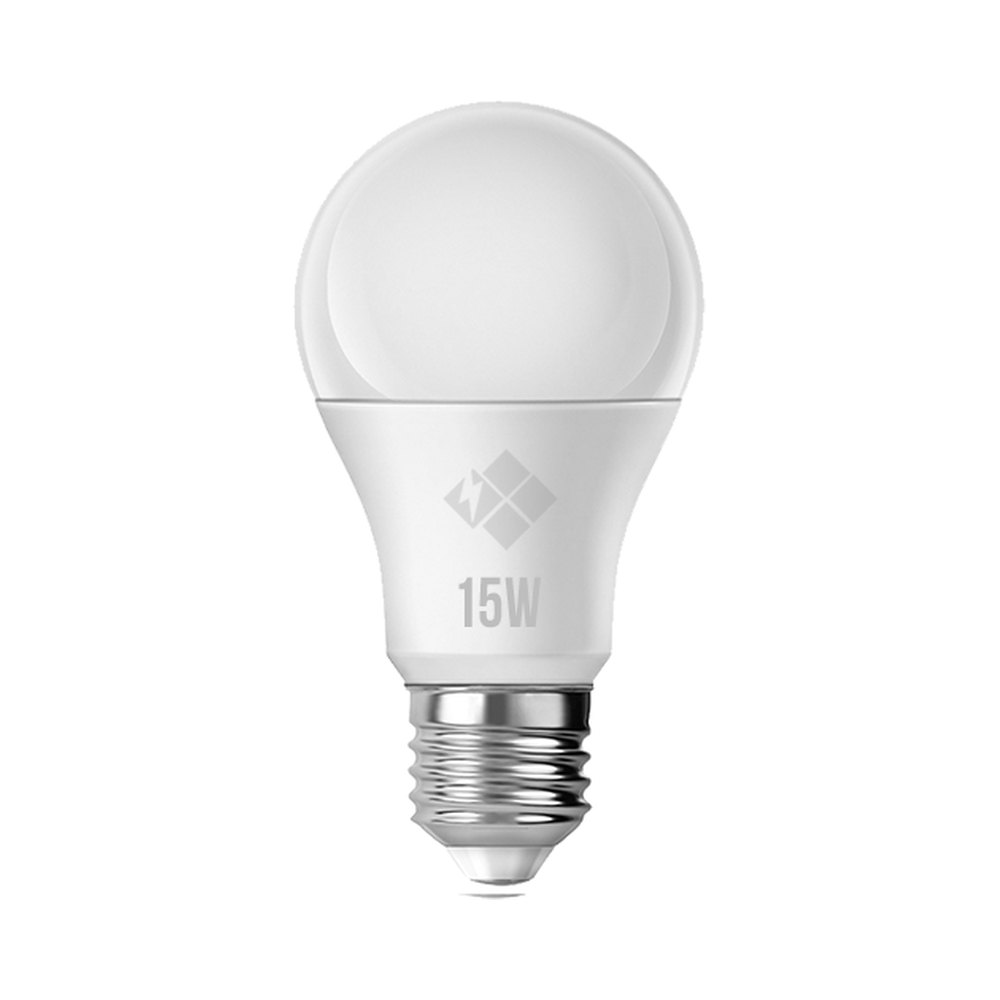
A short history of the LED: from indicator light to home lighting
The LED began as a laboratory curiosity over a century ago and spent decades as a status light on devices. The discoveries that turned it into home lighting.
OLED vs LED: what is the difference in lighting?
The names are similar, but OLED and LED produce light in different ways: one is a point source, the other a glowing surface. What that means for lighting.
Integrated LED fittings: when the light source cannot be replaced
Some fittings have no lampholder and no bulb: the LEDs are built into the body. The benefits, the risks and what to check before buying one.
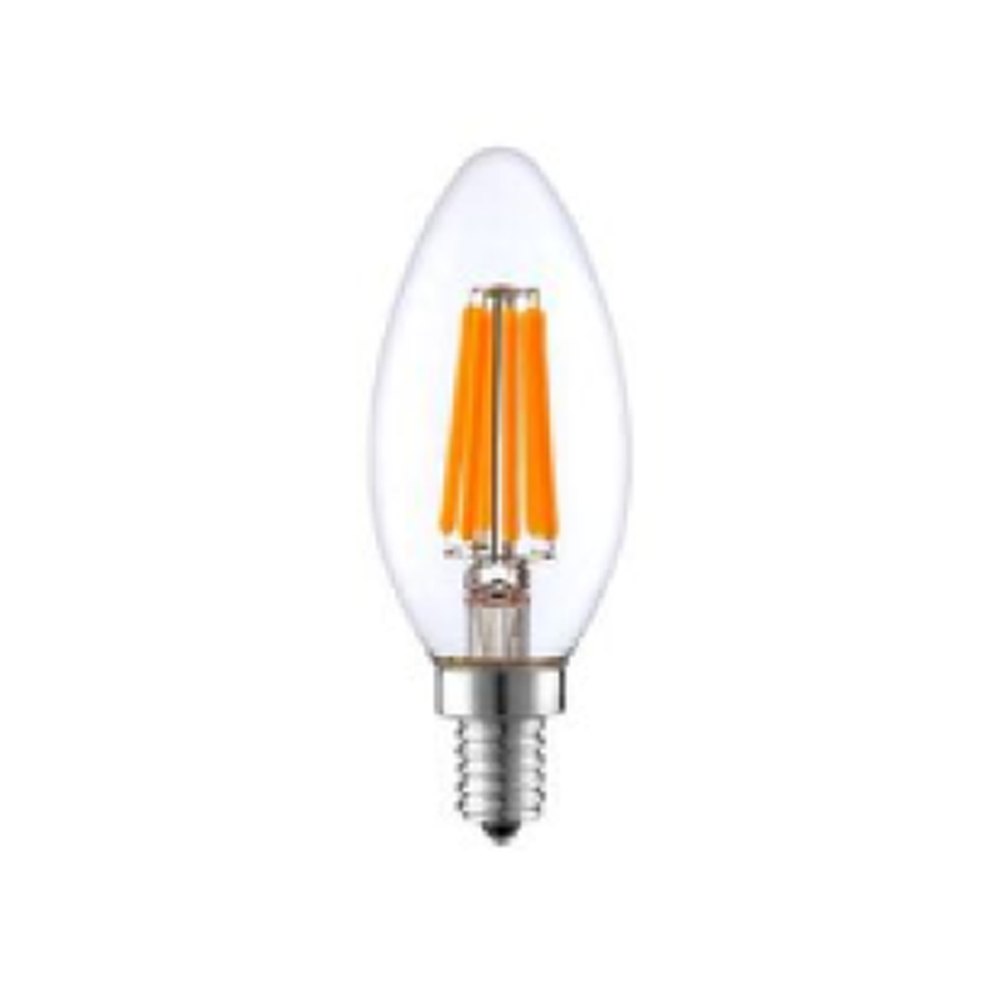
Filament LED or standard LED: which to choose
A clear filament LED and a frosted standard LED are two takes on the same technology. The differences in look, light spread, glare and where each works best.
Surface-mounted vs recessed LED panels: the difference
An LED panel is either set into the ceiling or fixed to its surface. The choice depends on the ceiling type, void depth, appearance and future servicing.
Lamp vs light fitting: what is the difference?
A lamp is the light source; a light fitting holds it, powers it and directs its light. Knowing the difference saves mistakes when buying and repairing.
Drivers above a suspended ceiling: placement and ventilation
The drivers for LED panels and downlights usually end up above the ceiling. Practical rules on where to put them, how to keep them cool and how to reach them later.
How the colour of a light fitting’s body affects the light
White, black or metallic housings give the same lamp a different character. How reflector colour, glare and the look of the ceiling are connected.
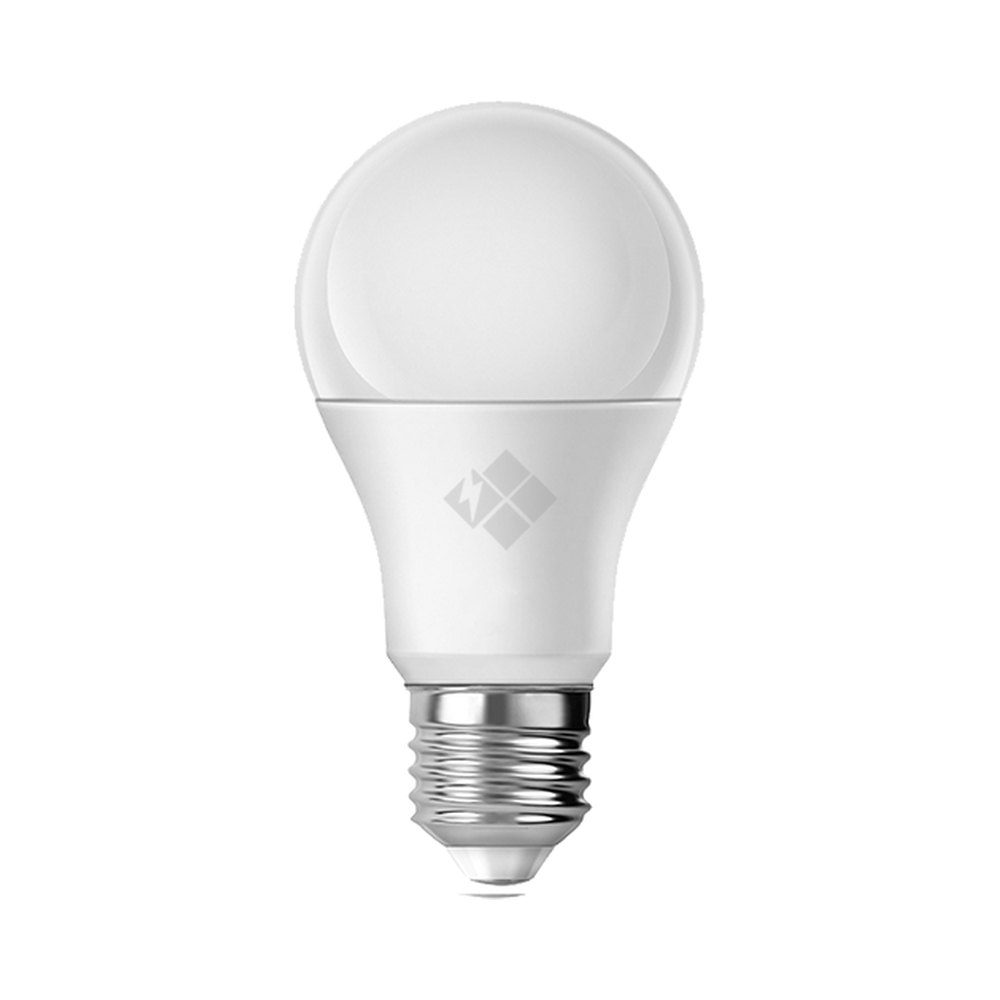
Changing a bulb safely: the switch, cooling down and the ladder
Changing a bulb is easy, but live contacts, hot glass and falls are real risks. A safe step-by-step routine and the mistakes people often make.
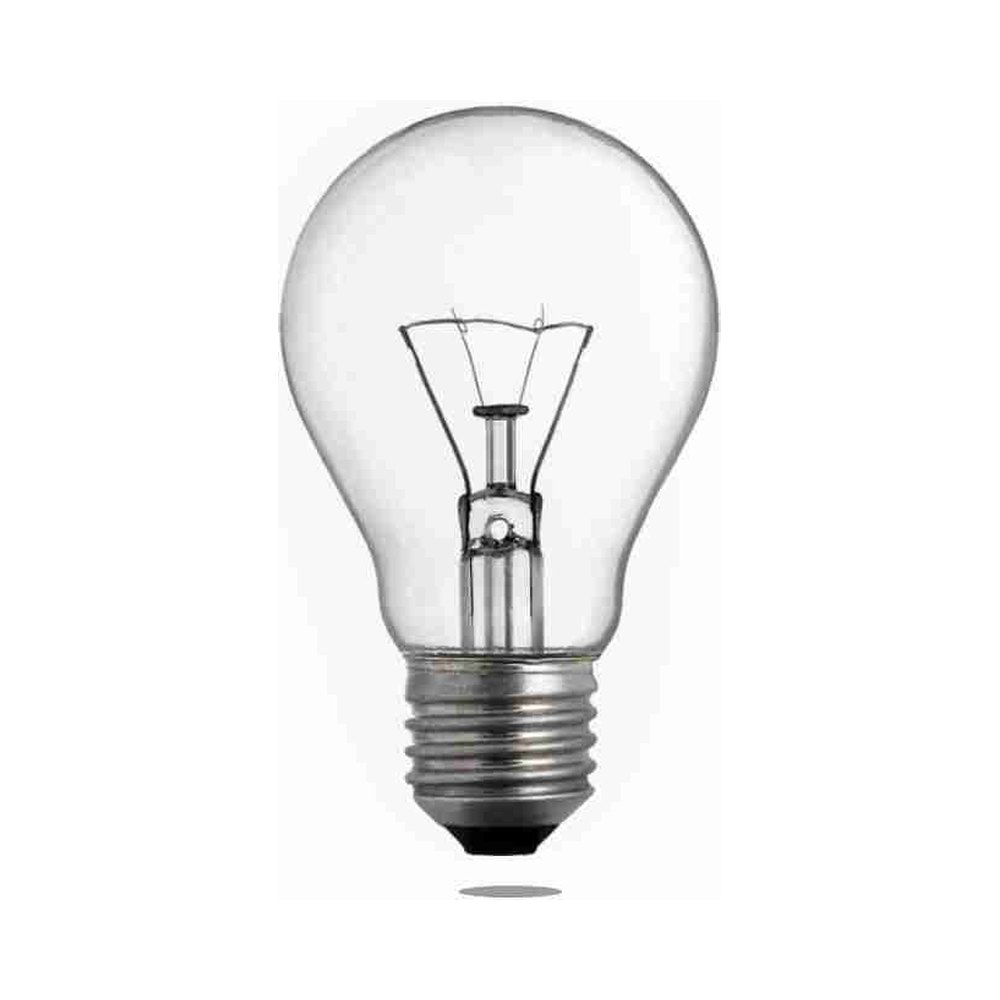
A bulb has broken: clearing up the glass safely
Broken bulb glass cuts, and a cap left in the holder can be live. How to collect and dispose of the fragments, and why fluorescent lamps need different handling.
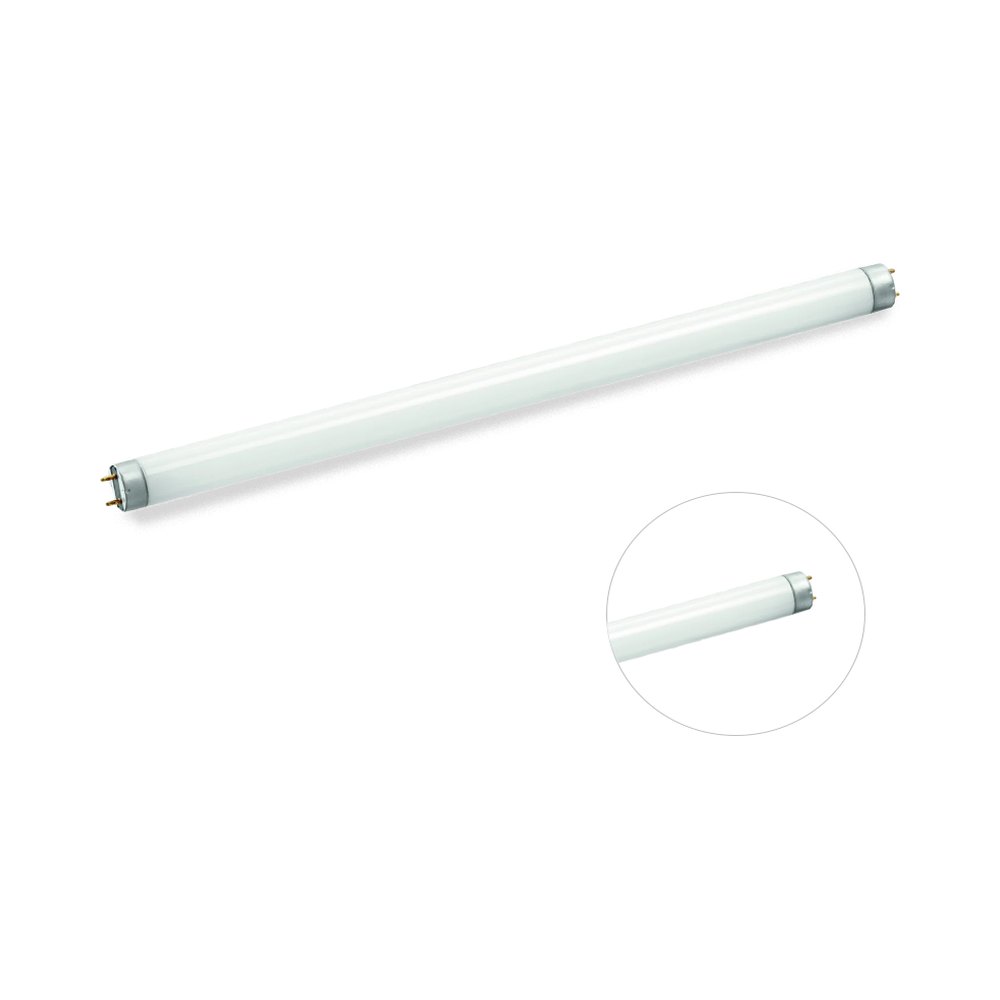
Mercury in fluorescent lamps: why they do not go in the bin
Fluorescent tubes and compact "energy-saving" bulbs contain a small amount of mercury. Why they need separate collection and how to clean up if one breaks.
How and where to dispose of old LED bulbs
LED bulbs contain no mercury, but they do contain a circuit board, metals and plastics. What to check before throwing one away and how to hand it in separately.
A scorched or melted lampholder: causes and what to do
A blackened or melted lampholder points to a poor contact or too much heat. How to recognise the causes and deal with the hazard safely.
Lighting safety in a home with young children
Children pull cables, touch hot bulbs and put small parts in their mouths. Which lighting risks to watch for at each age and how to prepare your home.

Bathroom zones: which light fittings are allowed where
A bathroom is divided into zones, each with different protection requirements for light fittings. Zone 0, 1 and 2 boundaries, IP codes and installation tips.