
How and where to dispose of old LED bulbs
LED bulbs contain no mercury, but they do contain a circuit board, metals and plastics. What to check before throwing one away and how to hand it in separately.
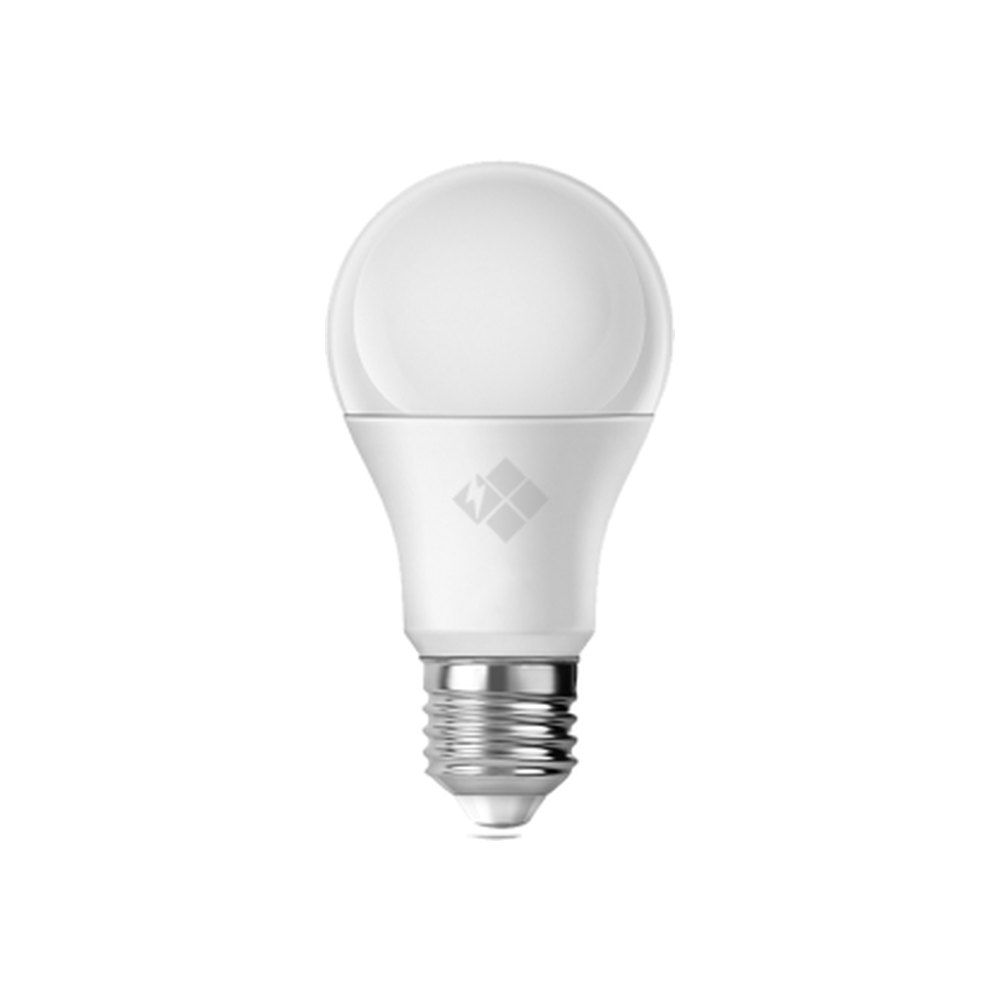
When an LED bulb stops working, many people drop it straight into the kitchen bin: "there's no mercury in it, so where's the harm?" The first part is true, since LED technology does not need mercury. But an LED bulb is not just a glass globe; it is a small electronic device, and it makes more sense to treat it as electronic waste.
What is inside an LED bulb
Picture a standard screw-in LED bulb cut in half and you will see several layers:
- a diffuser dome made of plastic or glass;
- a board carrying the light-emitting diodes, often aluminium-backed;
- a body of aluminium or thermally conductive plastic that spreads heat;
- inside the body, the driver: an electronic board with capacitors, a chip, resistors and other components;
- a metal cap and connecting wires.
Electronic boards contain solder, a range of metals and plastic compounds. In landfill they persist for many years, and burning them in the open can release harmful substances. On the other hand, aluminium, copper and other materials can be recovered through recycling. For these reasons many countries classify LED lamps as part of the separately collected electrical and electronic waste stream, known in Europe as WEEE.
Before you throw it out: is it really dead?
Sometimes a "dead" LED bulb actually works and the fault lies elsewhere. Run through these checks first:
- try the bulb in another fitting that you know works;
- look at the centre contact in the lampholder to see whether it is bent or blackened, since a poor contact causes flicker and cut-outs;
- on a dimmer circuit, a bulb that is not dimmer-compatible may fail to light, flicker or buzz;
- if the circuit has a motion sensor, photocell or timer, the problem may be there;
- if the bulb glows faintly with the switch off, that is caused by an illuminated switch indicator or the wiring, not by a faulty bulb.
If the bulb works normally in another fitting, look at the lampholder, switch or wiring rather than buying a new one. That way you create less waste, and the replacement does not fail for the same reason.
Keep LED and fluorescent lamps apart
When collecting used lamps, do not mix the types. Energy-saving lamps give themselves away with twisted or folded glass tubes; long fluorescent tubes have metal pins at both ends. These contain mercury and need a different clean-up procedure if broken. An LED bulb usually has a single frosted dome with a thicker plastic or metal body near the cap, and "LED" on the packaging confirms the type.
A broken LED bulb carries no mercury risk: gathering the pieces with gloves, as you would with ordinary glass or plastic, is enough. It does, however, remain electronic waste.
Steps for proper disposal
- Look for the crossed-out wheeled bin symbol on the packaging or the bulb, which means collection separate from household rubbish.
- Do not take the bulb apart: trying to remove the driver board or diodes risks cuts and short circuits and does not make recycling any easier.
- Keep used bulbs in a cardboard box in a dry place until you have a few.
- Check with the local authority, utility offices or electrical shops about drop-off points for old electronics and lamps.
- For battery-powered LED products such as emergency lights, torches and remote-controlled LED candles, remove the battery if possible, as batteries are collected separately.
Until you find a drop-off point, storing the bulb unbroken is better than crushing it in with the general waste.
Integrated fittings and LED strips
In LED panels, slim ceiling lights, illuminated mirrors and LED strips the diodes cannot be removed as a separate lamp, so the whole product goes in as electronic waste. Their external drivers and power supplies belong to the same category. When taking down a large fitting, packing a glass or acrylic diffuser separately reduces the chance of it breaking in transport.
Choosing for less waste
Excessive heat and unstable supply voltage are common reasons for an LED bulb failing early. In a closed, unventilated shade the driver works in harsher conditions. Matching the bulb to the size and rating of the fitting, and keeping lampholder contacts in good condition, lets you use it for longer.
When choosing the replacement, Ganja-made Zəfər İşığı models can be filtered in the catalogue by base and shape. Knowing in advance which fitting a bulb is for makes choosing the right model easier.
All news