
A scorched or melted lampholder: causes and what to do
A blackened or melted lampholder points to a poor contact or too much heat. How to recognise the causes and deal with the hazard safely.
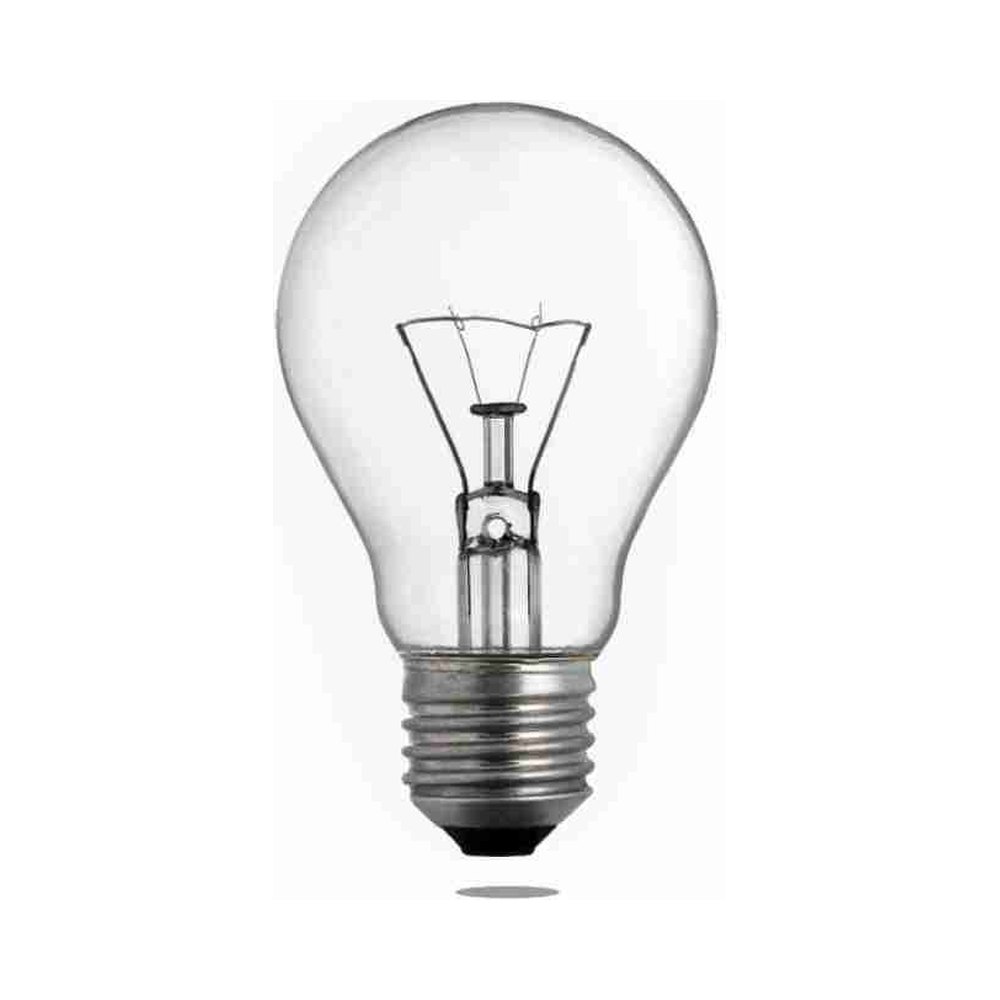
Opening a shade to change a bulb and finding the white plastic of the lampholder turned brown, its edges melted or black marks on the bulb's cap is unsettling, and rightly so. This is not a cosmetic flaw: the holder has been getting hotter than it should, and if that continues the insulation can deteriorate further and sparking can occur.
Where the scorching starts
A lampholder heats up for two main reasons: heat coming from the lamp itself, and heat generated at the contact point.
In the first case the cause is usually a mismatch between the lamp's wattage and what the fitting can handle. Incandescent and halogen lamps turn most of their energy into heat. When a lamp above the maximum wattage marked on the holder or the fitting's label is used, especially in an enclosed glass shade, heat builds up and a plastic holder cannot cope. In fittings where the cap is above the bulb, such as a hanging pendant, rising hot air passes straight over the holder and makes things worse.
In the second case the problem is the contact. Where a contact is loose, electrical resistance rises and that small area gets very hot when current flows. Possible causes include:
- a bulb not screwed in fully;
- a centre contact tab in the holder that is bent or has lost its springiness;
- oxidised contact surfaces, particularly in damp bathrooms, balconies and kitchens;
- a loosely clamped wire in the holder's terminals;
- poor-quality adapters, which add an extra pair of contacts.
A blackened contact conducts worse and heats more, so the process accelerates itself. That is why slight discolouration left unattended can turn into melted plastic after a while.
Warning signs
Even when you cannot see the holder, some signals give an early warning:
- a smell of hot plastic when the light is on;
- flicker, especially when the fitting is touched lightly or a door slams;
- crackling or buzzing from the holder;
- bulbs failing repeatedly in the same holder;
- a bulb that is hard to remove, as if stuck;
- a blackened cap or signs of melting on the centre contact of a bulb you take out.
What to do
First switch off the circuit breaker for that line at the consumer unit; with a damaged holder, a switched-off light is not enough protection. Then assess the situation.
If there is only slight darkening on the bulb's cap and the holder looks sound, you can replace the bulb, check the condition of the contacts and compare the bulb's wattage with the fitting's limit. If the holder's plastic has turned brown, cracked or melted, stop using it: the lampholder needs replacing. It is also wiser not to reuse the bulb that was in it, as its cap may be damaged and could overheat the new holder too.
Look at the wires behind the holder as well. If the insulation has become brittle, discoloured or crumbles when touched, the problem does not end with the holder, and that section of wiring needs replacing. This is work for a qualified electrician. If scorching keeps recurring in the same fitting, have the circuit connections, the switch and the breaker checked too.
Wrapping a melted holder in electrical tape and carrying on is a dangerous half-measure. Tape does not reduce the heat; it traps it and hides the fire risk.
Choosing a new holder and lamp
- For incandescent and halogen lamps, especially in enclosed fittings, choose a heat-resistant ceramic lampholder.
- High-power lamps, such as large E40 halogen lamps, must only be used in fittings with an E40 holder rated for that wattage.
- A lamp's wattage must never exceed the maximum marked on the fitting.
- Do not use adapters as a permanent solution.
- When installing a new holder, strip the wire end cleanly, insert it fully into the terminal and tighten the screw firmly.
- Switching to an LED lamp greatly reduces heat from the lamp, but it will not fix a loose contact; the holder and terminals still need to be sound.
Habits that prevent it
Screw bulbs in until they stop, without forcing them. Once a year, for example when cleaning the shades, glance at the colour of the lampholders. Use moisture-protected fittings in damp places. And do not put off signals like flicker or a burning smell for later.
The condition of the lampholder affects the life of both the lamp and the fitting. Alongside LED lamps, the Zaferoğlu Elektrik catalogue includes incandescent lamps and an E40 halogen lamp; whichever you choose, the first step is checking it against the fitting's wattage limit.
All news