
Changing a bulb safely: the switch, cooling down and the ladder
Changing a bulb is easy, but live contacts, hot glass and falls are real risks. A safe step-by-step routine and the mistakes people often make.
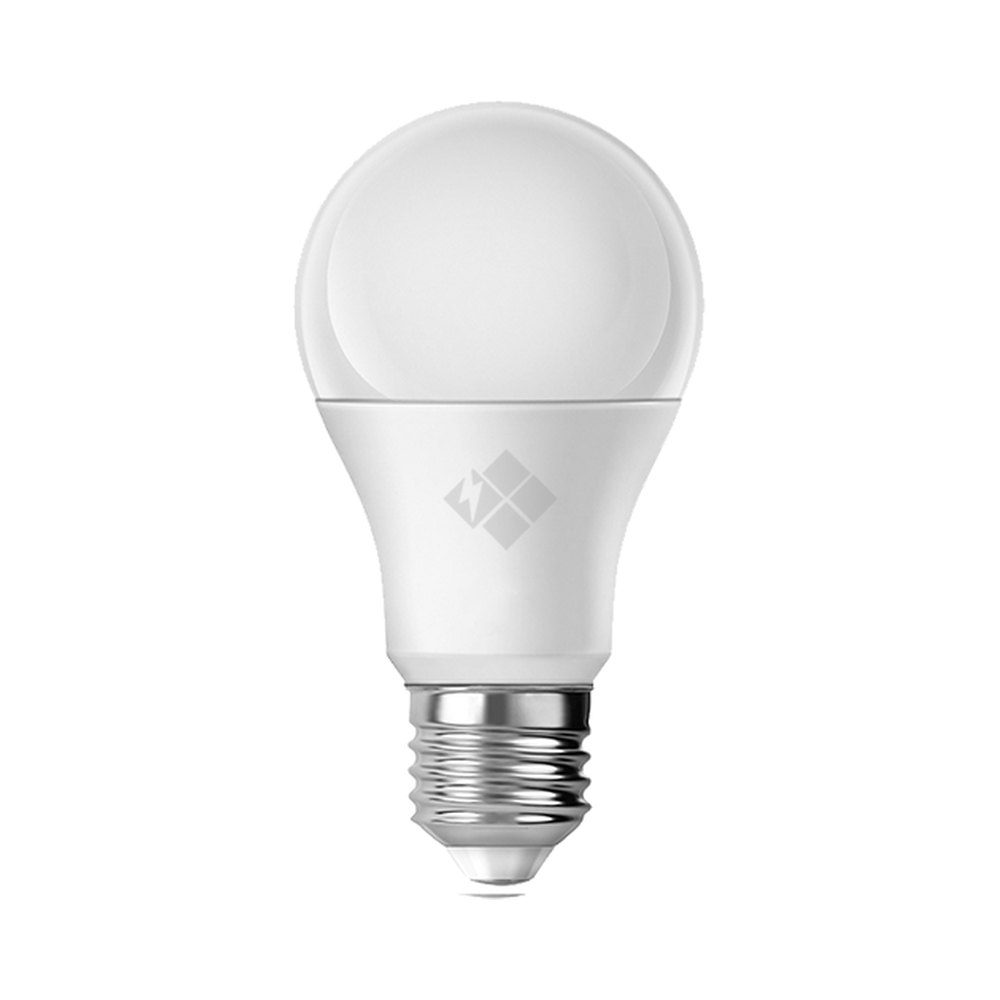
Changing a bulb counts as one of the most ordinary jobs at home, which is exactly why it tends to be rushed: flick the switch, pull over the nearest chair, twist the bulb. Three risks hide in that routine, namely voltage left at the lampholder, hot glass and losing your balance. Avoiding each of them takes only a few extra minutes.
Is the wall switch always enough?
A wall switch breaks only one of the conductors feeding the fitting. In correctly installed wiring that is the live conductor, so with the switch off the lampholder is dead. In old or wrongly connected wiring, however, the switch may break the neutral instead. The lampholder contacts then remain live, and touching the metal cap or the inside of the holder becomes dangerous.
For that reason it is better to switch off the relevant circuit breaker at the consumer unit when:
- the bulb has broken in the holder and only the cap is left;
- the lampholder is cracked, scorched or loose;
- the fitting's wiring is exposed or the shade has to be dismantled;
- you do not know which conductor the switch breaks in your home.
Remember that turning off a breaker may darken other rooms too, so keep a torch at hand. If you have a voltage tester, checking the lampholder before you start gives extra certainty.
Let it cool down
Incandescent and halogen lamps get very hot in use, and touching one that has just been switched off with bare hands can cause a burn. A few minutes is usually enough, a little longer in an enclosed shade. There is another reason to wait: hot glass touched with a damp cloth or cold fingers can crack from the sudden temperature change. LED lamps run much cooler, but the cap and heat-sink section can still be warm.
When fitting halogen capsule lamps such as G9 or linear R7s types, do not hold the glass with bare fingers: skin oil leaves a spot that overheats once the lamp is running. Handle them with the packaging film or a clean, dry cloth.
The ladder: no chairs on chairs
Falls are among the most real risks of changing a bulb. Chairs, stools, swivel office chairs on castors and a chair perched on a table are all unsuitable.
- Use a sturdy folding stepladder and make sure the spreader lock is fully open.
- Stand it on a level, non-slip floor, not on the edge of a rug.
- Position it so you reach the fitting from directly below, without leaning sideways.
- Do not stand on the top step, and keep one hand on a support.
- For high ceilings or stairwells, work in pairs or call a professional.
Your hands should be dry, and shoes with non-slip soles are a good idea.
Removing and fitting the lamp correctly
Hold a screw-in E27 or E14 bulb by its body near the cap rather than by the glass or dome: on some LED bulbs the plastic dome can come away if twisted hard. Unscrew anticlockwise, slowly. Screw the new one in until it stops, without forcing it, because excess force can bend the centre contact of the holder.
A GU10 spot lamp comes out by pushing it in slightly and twisting. With a G5.3 lamp, you usually remove the spring retaining clip in the downlight frame, pull the lamp straight down and unplug it from the connector behind; take care not to bend the pins.
If a bulb is stuck, a dry rubber glove improves grip. If the glass has broken, continue only with the breaker switched off.
Extra care with chandeliers and enclosed shades
On a multi-arm chandelier, gripping and twisting a bulb with one hand sets the whole fitting swinging: glass parts knock together and the ceiling fixing takes extra strain. Hold the arm carrying the bulb with your free hand and turn with the other. On chandeliers with crystal drops, it helps to unhook the drops that are in the way first and put them in a soft-lined box.
An enclosed glass shade is usually held by screws or spring clips. Support the shade from below with one hand while loosening the screws, otherwise the glass can drop and break. It is also a good moment to clear out dust and insects that collect inside, since they trap heat and dim the light. When refitting the shade, tighten the screws evenly and not too hard, because concentrated pressure at one point can crack the glass.
Final check
Once the new lamp is in, climb down first and only then switch the light on. If you notice flicker, crackling or a burning smell, switch off at once and inspect the lampholder. The wattage of the new lamp must not exceed the maximum marked on the holder or on the fitting's label.
Knowing the cap in advance makes the whole job quicker. In the Zəfər İşığı catalogue you can filter lamps with E27, E14, GU10 and G5.3 caps by type and compare them with the one you are replacing.
All news