
Outdoor light fittings: earthing and protection from moisture
Water and corrosion are the main risks for yard, facade and balcony lights. Practical rules on IP ratings, earthing, residual current protection and cable entry.
A fitting that works for years in a living room can trip the circuit after a single winter in the yard. Outdoors, rain, dew, condensation, dust and temperature swings all act at once. Choosing and connecting a light for a garden, facade, garage entrance or balcony therefore calls for extra care.
Reading the IP rating properly
The box or the body of the fitting carries a two-digit code starting with IP. The first digit describes protection against solid particles, dust included; the second describes protection against water. The higher the number, the better the protection.
- IP44 — protected against splashing water from any direction; can suit a covered balcony or an entrance under a canopy.
- IP65 — dust-tight and resistant to water jets; a safer choice for facade and yard lights exposed to rain.
- IP67 — withstands temporary immersion; meant for ground-recessed lights and places where puddles form.
An IP rating only holds if the fitting is assembled correctly and the cable entry is sealed. If a gasket is out of place or a cover screw is not tightened, the number on the label means nothing.
Earthing: why the metal body is connected
Most metal-bodied outdoor fittings are Class I. That means if insulation fails, any voltage that reaches the housing must be carried away through the protective earth conductor. If there is a dedicated terminal marked with the earth symbol inside, the green-and-yellow conductor must be connected to it.
Connecting such a fitting to an old circuit without an earth conductor creates a dangerous situation: once moisture gets in, the housing can become live without any protective device reacting. Double-insulated Class II fittings do not need an earth; you can recognise them by the double-square symbol on the label.
Residual current protection is a must
For outdoor circuits, a device that responds to leakage current — an RCD or RCBO — is not a nice extra but the core protection. An ordinary circuit breaker only trips at high current and cannot detect current flowing through a person. An RCD senses the imbalance between live and neutral and disconnects very quickly. If your garden circuit has no such device, sorting that out with an electrician should come first.
Cable entry and condensation
Water rarely gets in through the body itself; the weak point is where the cable enters. A few simple habits reduce the risk:
- use the fitting's own sealing gland and tighten it to suit the cable diameter;
- if the cable has to come in from above, form a drip loop below the entry so water runs off instead of following the cable inside;
- make joints in a junction box with an adequate protection rating, not with insulating tape in the open;
- cable exposed to sunlight needs a UV-resistant sheath.
In a sealed housing, air that warms during the day and cools at night can leave its moisture inside. That is why some fittings have a breather valve, which must not be covered. Water droplets visible behind the glass mean the fitting needs attention.
Periodic checks after installation
- In autumn and spring, look for cracks in the body and deformed gaskets.
- If you see water marks or darkened contacts behind the glass or plastic cover, switch off the circuit before opening the fitting.
- Press the test button on the RCD from time to time.
- If the light is fixed to a tree, crumbling masonry or an unstable post, make sure it does not sway in the wind.
The bulb inside must suit the conditions too
Cold is not a problem for an LED bulb outdoors: unlike incandescent and fluorescent lamps, it comes on at full brightness straight away even in frost. Summer heat is the harder test. Inside a closed housing warming in the sun, the driver struggles to shed its own heat. Check the packaging to see whether the bulb is suitable for enclosed fittings.
Using an indoor fitting with an open lampholder on a balcony or under the eaves, even temporarily, is also risky. A drop of water in the holder can cause a short circuit, and lingering moisture corrodes the contacts.
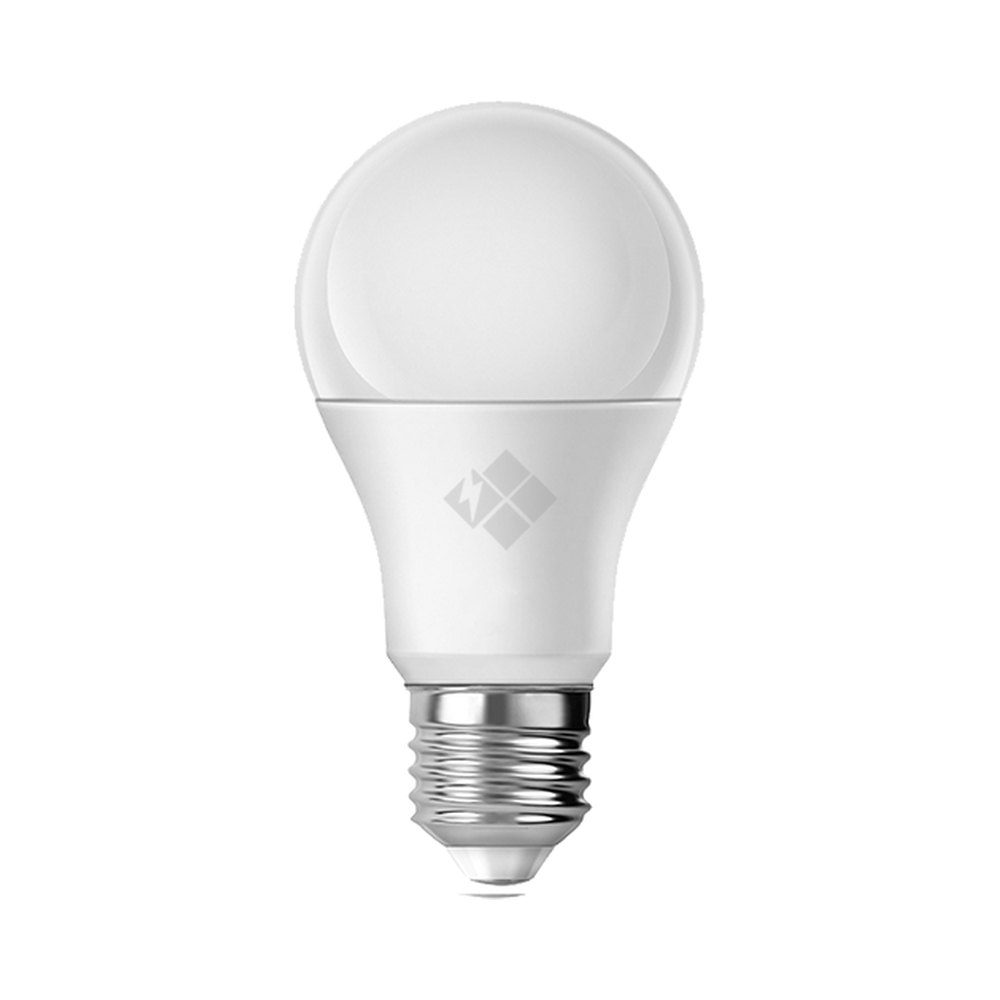
The bulb inside an outdoor fitting must also suit the conditions. For yards, warehouses and workshops Zaferoğlu Elektrik offers powerful Zəfər İşığı LED lamps; when choosing one, keep the protection rating of the fitting itself in mind.
All news