
A bulb has broken: clearing up the glass safely
Broken bulb glass cuts, and a cap left in the holder can be live. How to collect and dispose of the fragments, and why fluorescent lamps need different handling.
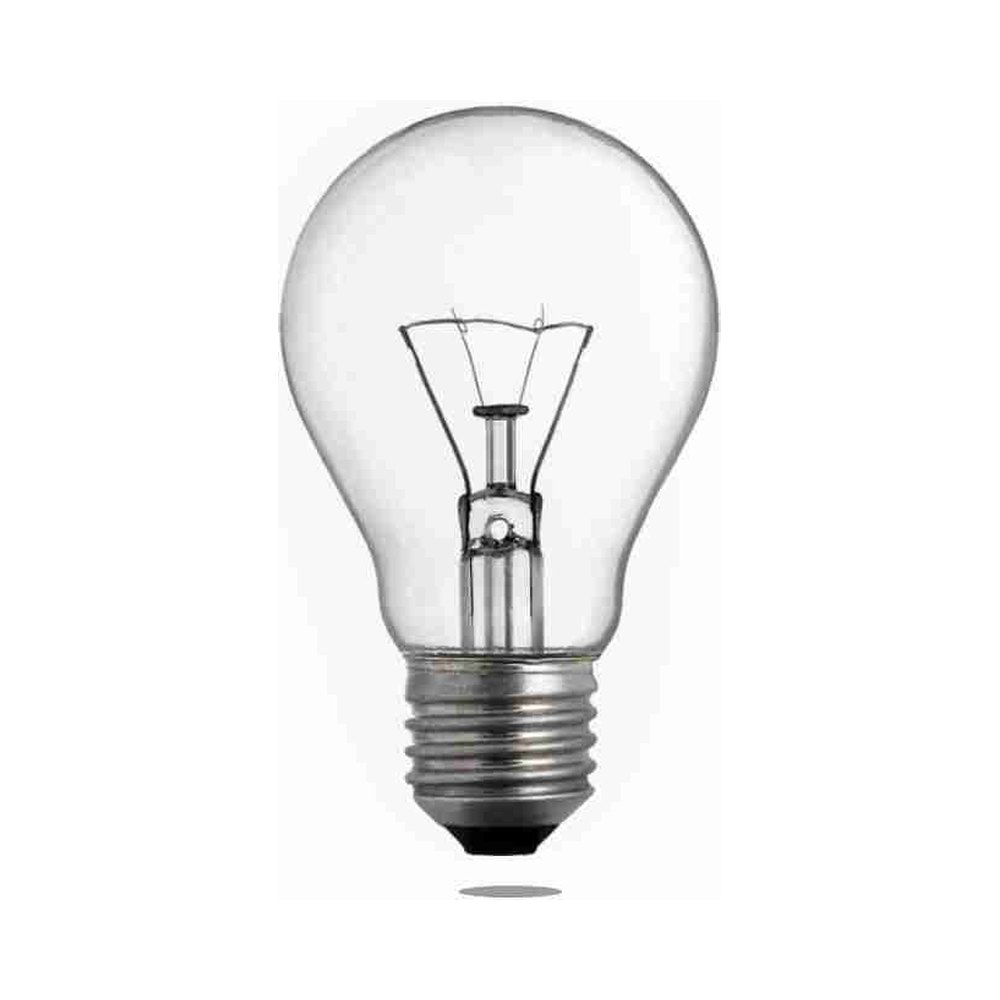
When a bulb slips out of your hand onto the floor, or cracks and shatters in its holder, the first instinct is to scoop up the pieces quickly by hand. Thin bulb glass, however, breaks into sharper and smaller fragments than a drinking glass, and they scatter into rugs and floor gaps. A few simple rules prevent cuts as well as the hazards that are easy to overlook.
First, identify the type of lamp
What you do depends on what broke:
- incandescent, halogen and LED bulbs: the main risks are sharp glass or plastic fragments and parts that are still hot;
- compact fluorescent bulbs (the spiral or U-tube "energy savers") and fluorescent tubes: these contain a small amount of mercury and need a separate procedure.
If a fluorescent lamp has broken, the ordinary clean-up below is not enough: ventilating the room, avoiding the vacuum cleaner and sealing the debris in an airtight container all matter. That is covered in detail in a separate article on mercury in fluorescent lamps.
The first minutes: reducing the risk
- Get children and pets out of the room, since tiny shards easily pierce paws and bare feet.
- Put on shoes; do not walk around in socks.
- If the bulb broke in a fitting, switch off at the wall and, where possible, at the breaker too.
- Fragments and the cap of an incandescent or halogen bulb are still hot, so let them cool.
- Do not blow the fragments away or sweep them with bare hands.
Picking up the pieces, step by step
Wear thick work gloves or at least two layers of rubber gloves. Start by picking up the large, visible pieces and placing them on a piece of stiff cardboard. Then use thick paper or card to push the smaller fragments together.
For the finest, hard-to-see particles, wide sticky tape works well: press it onto the floor, lift it, and fold it over on itself with the shards inside. Finish by wiping the area with a damp paper towel and put the towel with the rest of the debris.
Shining a torch low across the floor, almost parallel to it, helps a lot: small glass pieces glint in raking light and are much harder to miss. After the larger pieces of an incandescent or LED bulb have been removed, a rug can be vacuumed; when a fluorescent lamp breaks, the vacuum cleaner stays in the cupboard.
If fragments land on upholstered furniture such as a sofa or armchair, lift them carefully with sticky tape; if a cover needs shaking out, do it outdoors over an old sheet spread on the ground.
The dome of an ordinary LED bulb is usually plastic and breaks into large pieces with blunt edges. Filament LED bulbs, however, have glass envelopes and shatter into small pieces just like incandescent ones. Never screw an LED bulb with a broken dome and an exposed diode board back into a holder to test it.
A cap stuck in the lampholder
Often the glass comes away and the metal cap stays screwed into the holder. This situation needs the most care: the cap has sharp edges and the holder contacts are exposed.
- Make sure the circuit breaker is off; do not rely on the wall switch alone.
- Grip the edge of the cap with insulated long-nose pliers and turn it slowly anticlockwise.
- If the cap is jammed or the holder is damaged, do not force it; the lampholder may need replacing, and that is a job for an electrician.
- Once the cap is out, check that no glass is left inside the holder.
Why bulbs break
Dropping a bulb is an obvious cause, but sometimes a lamp cracks by itself in the holder. Typical reasons include:
- water droplets landing on the hot glass of an incandescent or halogen bulb, for instance in a balcony or bathroom fitting that is not protected against moisture;
- a fitting that is too enclosed and too hot for the wattage of the lamp;
- a poor contact in the lampholder that makes the cap overheat;
- screwing the bulb in crooked or with force, which stresses the joint between glass and cap;
- constant vibration, such as a fitting next to a door that is often slammed.
If bulbs keep breaking or cracking in the same fitting, the cause lies in the conditions rather than in the bulbs. Check the state of the lampholder, the fitting's protection rating and the lamp's wattage.
How to dispose of the fragments
Tipping glass straight into a bin bag can cut whoever handles the rubbish later. Put the fragments into a glass jar with a lid or a rigid plastic container, or wrap them in several layers of thick paper sealed with strong tape, and label it "broken glass". For broken fluorescent lamps, ask your local municipal service or retailer what collection options exist.
Wash your hands at the end and take one more look around. A small cut usually just needs rinsing with clean water and covering; for a deep cut or glass in the eye, seek medical help.
Keeping spare bulbs in their boxes and using a stable stepladder when changing them helps prevent breakages in the first place. If a broken bulb needs replacing, the Zaferoğlu Elektrik catalogue lists incandescent and halogen options alongside its LED lamps.
All news