
News
Buying bulbs in bulk: checking that a batch is consistent
When you buy hundreds of lamps, one odd shade can spoil a whole building. Here are practical steps to check that a bulk order is consistent.
Temporary lighting on a construction site
Temporary site lighting shapes both the pace of work and the risk of falls and electrical injury. Here are the rules for organising it safely.
Stopping lights reflecting on office screens
Bright patches on a monitor tire the eyes and break concentration. The cause lies in how luminaires, screens and desks are arranged, and the fix is often simple.
Museum and exhibition lighting that protects the exhibits
Light reveals an exhibit but also slowly damages it. How light levels, ultraviolet, heat and exposure time are managed for sensitive materials.
Lighting farms and barns: coping with damp and dust
Damp, dust, ammonia and washdowns quickly ruin ordinary lamps in a barn. What to look for when choosing lighting for an agricultural building.
Moving a small shop to LED, step by step
Changing a shop's lighting in a planned sequence rather than in one go keeps trading going and cuts mistakes. The stages from inventory to installation.
Lighting jewellery displays: sparkle and colour
A diamond's sparkle, the warmth of gold and the soft glow of pearls each need different light. How to choose source size, angle and colour in a jewellery case.
Lighting food production areas: hygiene and shatter-proof fittings
In food production a luminaire is not just a light source but a potential contamination risk. Practical requirements for glass control, washdown, surfaces and light levels.
Commissioning a lighting design: what to prepare
The fuller the information you give a lighting designer, the more precise the result and the fewer the revisions. What documents and answers belong in the brief.
Façade lighting: the main approaches
Flooding a façade with powerful projectors is not enough to make a building look good at night. The key techniques, colour choices and how to avoid disturbing neighbours.
Lighting apartment block entrances, stairwells and basements
Dark stairs and basements are both a safety and a comfort problem. Where to place light in common areas, sensors, emergency lighting and vandal resistance.
Human-centric lighting: office light that changes through the day
Light is not only for seeing; it also affects the body's daily rhythm. What human-centric lighting is, how it is set up and what you can realistically expect from it.
Lighting standards: where the lux requirements come from
Why an office desk gets 500 lux and a corridor 100 lux, what those numbers actually measure and how to apply and check them in a real room.
Lighting for security cameras
Poor night footage is often caused by the lighting, not the camera. Infrared versus white light, where to mount lights and the mistakes to avoid.
Lighting parks and green spaces
Good park lighting means safety at night without disturbing trees, birds or nearby homes. A practical approach from footpaths to playgrounds.
Controlling light in a large office: groups and DALI
In an office with hundreds of fittings, switches become a problem. The logic of lighting groups, what DALI can do and what to watch for in a project.
Before and after: measuring the savings from a lighting upgrade
Saying "the bill went down" is not enough after an LED upgrade. How to record a proper baseline, make a fair comparison and document the result.
Lighting an exhibition stand
Every stand in the hall shares the same ceiling light; what draws visitors in is your own lighting. Planning, spotlights, power limits and build-day checks.
Daylight sensors in offices: lights that dim themselves
On a sunny day the desks by the window need far less artificial light. How daylight sensors work, zoning, calibration and why staff sometimes dislike them.
Lighting cold stores and refrigerated rooms
Sub-zero temperatures, condensation, washdowns and food safety call for a different approach from ordinary warehouse lighting. The key criteria for cold zones.
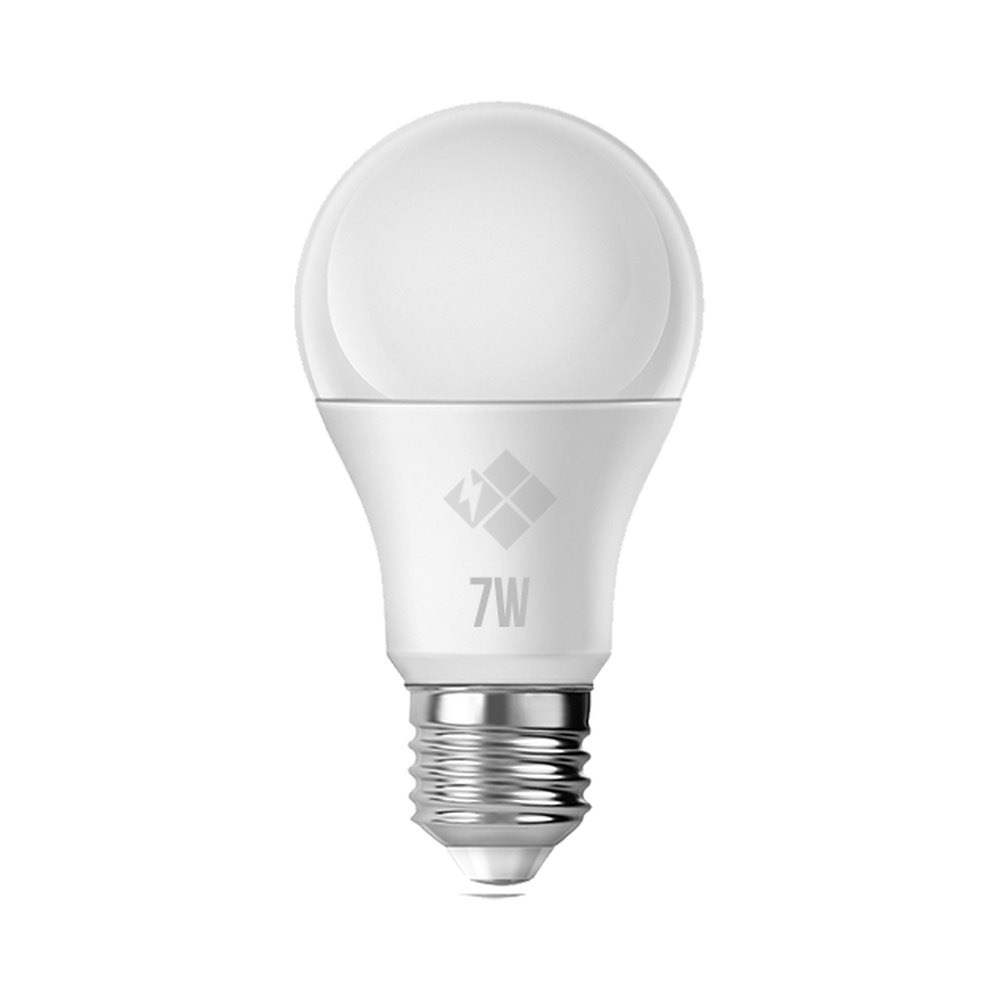
How an LED bulb works: from diode to light
Inside an ordinary-looking LED bulb, a semiconductor chip, phosphor, driver and heat sink work together. What each part does and why it matters in practice.
What an LED driver is and why you need one
An LED cannot be connected straight to the mains — it needs a driver. What drivers do, constant current versus constant voltage, how to choose and signs of failure.
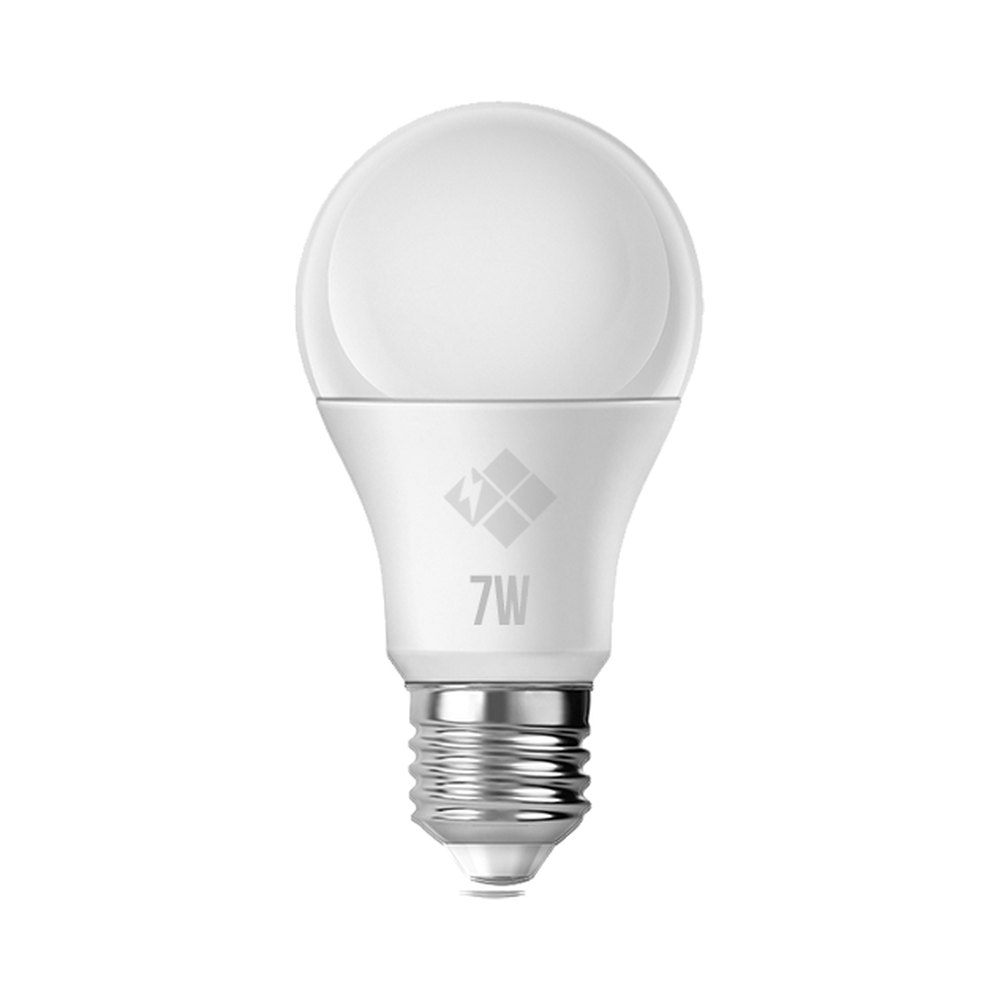
Why LED bulbs get warm: heat sinks and where the heat goes
LEDs give cool light, yet their base still gets warm. Where that heat comes from, what the heat sink does and when warmth is a sign of trouble.
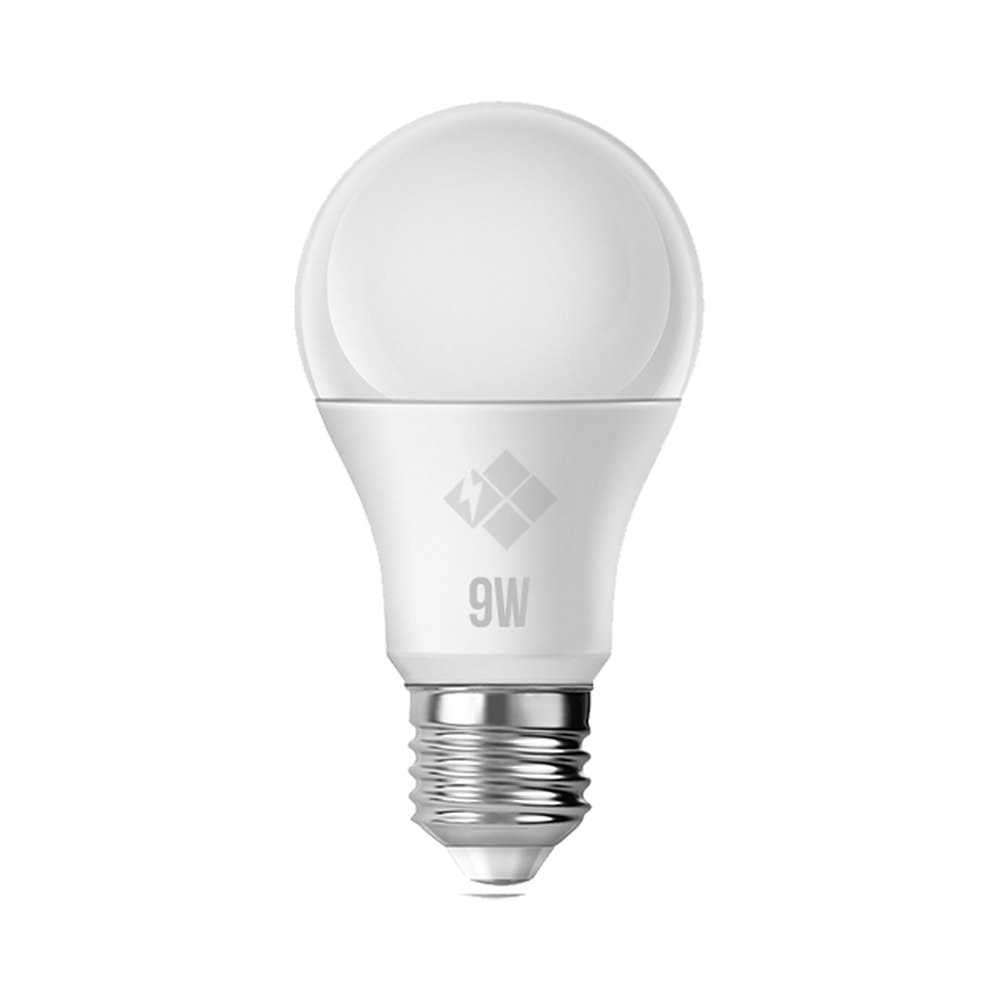
Flickering LED light: causes and how to spot it
Flicker can be obvious to the eye or felt only as tiredness. The main causes, and simple ways to check for it at home without special equipment.