Lighting food production areas: hygiene and shatter-proof fittings
In food production a luminaire is not just a light source but a potential contamination risk. Practical requirements for glass control, washdown, surfaces and light levels.
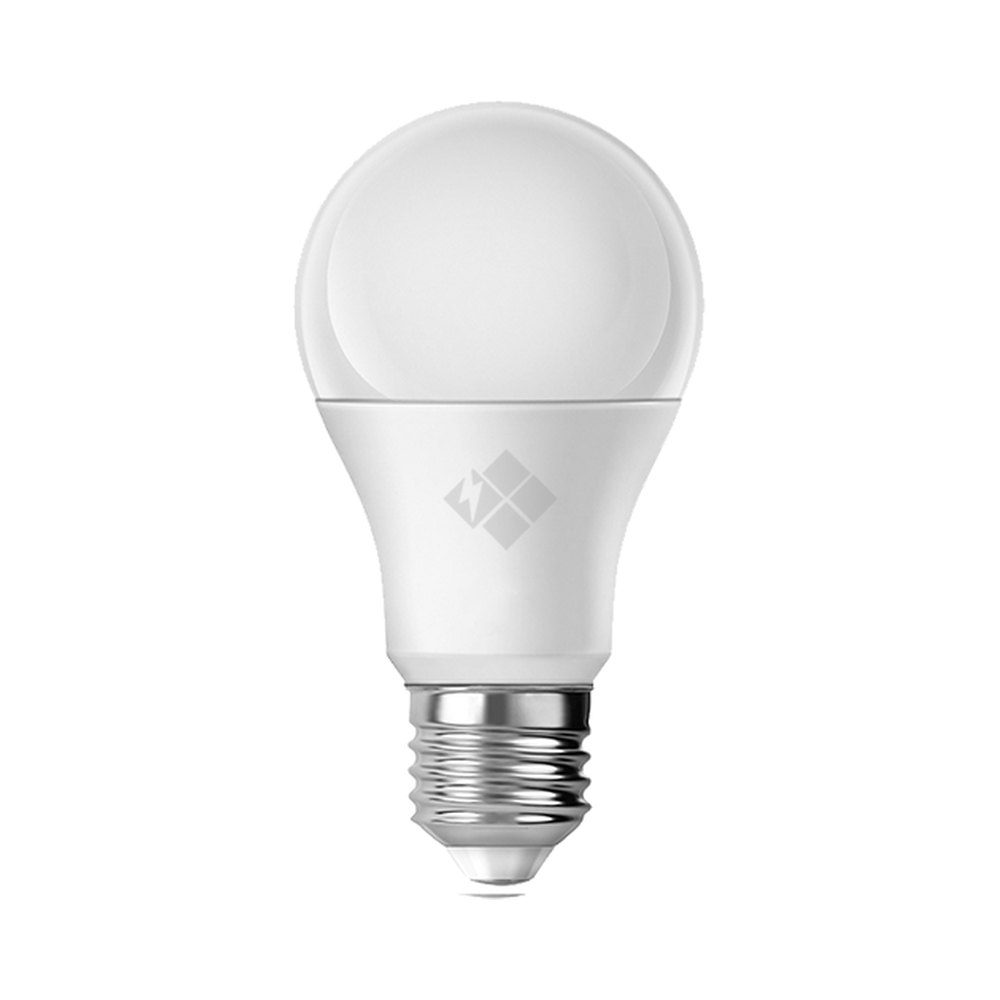
In a bakery, a meat processing room or on a canning line, a single shard of glass falling from the ceiling can mean destroying an entire batch or even recalling product. That is why lighting in a food business is planned not as an ordinary technical matter but as part of the food safety system. Good lighting helps staff spot dirt, foreign bodies and defective product — without becoming a new source of risk itself.
Why glass and brittle plastic are a problem
Food safety systems based on HACCP principles assess physical hazards separately, and glass is at the top of the list. When an open lamp, a glass cover or an old, brittle plastic diffuser breaks, fragments can land in the product, on the packing line or in equipment. A small clear shard is almost impossible to find by eye.
So in zones where product is exposed, the following approach is used:
- Luminaires are chosen with covers made of shatter-resistant material such as polycarbonate, or existing lamps are enclosed in protective covers.
- Ordinary glass-bulb lamps — incandescent, halogen, filament and glass-bodied LED lamps — are not used in these zones.
- Where fluorescent tubes remain, they are fitted with clear protective sleeves that retain fragments.
- The business keeps a glass and brittle plastics register: the location, type and condition of each luminaire are recorded and checked periodically.
- A written procedure sets out what happens when a fitting breaks — stopping the line, cleaning the area, isolating product.
Washdown and moisture resistance
Food production areas are cleaned often, sometimes with hot water, foam and disinfectants. Luminaires have to withstand this. In practice, fittings rated IP65 or higher are usually chosen for washdown zones, and areas cleaned with high-pressure hot water may call for more demanding ratings. Seals and housing materials must resist the chemicals in use; ask the supplier to confirm this in writing.
Cold rooms and frozen stores are a special case. LEDs work well at low temperatures, but the luminaire housing and cable must be suitable for sub-zero conditions and able to cope with the condensation that forms as people and goods move in and out.
Hygienic design
The shape of a luminaire also affects hygiene. Horizontal ledges, screws, open channels and ventilation slots collect dust and grease and are hard to clean. Features preferred in food areas include:
- a smooth housing with rounded edges where dust does not settle;
- as few exposed screws and joints as possible;
- mounting that sits tight to the ceiling, or at a distance where dust cannot build up behind the fitting;
- where possible, positioning to the side of the product flow rather than directly above it.
In high production halls without suspended ceilings, rigid fixings rather than wire suspensions prevent swinging and avoid extra dust-collecting parts.
How much light is needed
The light level depends on the work done in each zone. Stores and circulation routes need only moderate levels. Cutting, sorting and packing lines require more, because staff must see small details. Where quality is judged by colour — sorting fruit, assessing meat colour, checking how well something is baked or fried — both high illuminance and a high colour rendering index matter. For specific values, refer to the food industry section of EN 12464-1 and to the business's own quality requirements.
Be careful with colour. Some light sources can make product look fresher or redder than it really is, and in a quality control area that can hide defects. Neutral light that does not distort colour is more reliable at inspection points.
Points to watch during a refit
Relighting a production area is itself a risky stage. Removing old fittings can release fragments, dust and dirt. So the work is done while production is stopped, lines and equipment are covered, and a full clean and inspection follow. New luminaires are added to the glass register and the old ones removed from it.
A short checklist:
- Are any glass-bulb lamps left in zones where product is exposed?
- Are the luminaires suited to the washdown regime and chemicals?
- Are their surfaces smooth and easy to clean?
- Does the light at the quality control point avoid distorting colour?
- Do staff know the breakage procedure?
Alongside LED lamps, the Zəfər İşığı catalogue from Zaferoğlu Elektrik also covers conventional fluorescent tubes and starters. Which product suits a food zone should be assessed together with the business's own hygiene requirements.
All news