
Lighting farms and barns: coping with damp and dust
Damp, dust, ammonia and washdowns quickly ruin ordinary lamps in a barn. What to look for when choosing lighting for an agricultural building.
A lamp that runs trouble-free at home for years may not last a single season in a barn. The problem is not the lamp but its surroundings: cold and damp early in the morning, feed and straw dust during the day, ammonia vapour from animal waste, and walls that are hosed down at regular intervals. Allowing for these conditions from the outset matters for safety as well as for maintenance costs.
How the environment affects lighting
Moisture oxidises the contacts of an open lampholder; as the contact deteriorates it heats up and the lamp starts to flicker. Damp can also get into driver electronics. Dust settles on and inside fittings, cutting light output and trapping heat. Dry straw and feed dust are combustible, and when they collect on a hot lamp surface they create a fire risk — one reason old incandescent and halogen lamps were considered dangerous in barns.
Ammonia is a problem of its own. It corrodes some metal parts, cheap coatings and rubber seals. As a result, a luminaire that looks "protected" on paper may, after a year or two, let moisture in through a cracked gasket.
Why the protection rating matters
A luminaire's resistance to dust and water is shown by its IP code. The first digit refers to protection against solid particles, the second to protection against water. For livestock and poultry buildings, fittings that are dust-tight and resistant to water jets are usually chosen, which in practice means IP65 or higher. Where high-pressure washing takes place, even more demanding ratings may be required.
Alongside the IP code, check:
- Housing material: polycarbonate, or metal with a corrosion-resistant finish, lasts longer in an ammonia atmosphere.
- Seals: the data sheet should state that they resist ammonia and cleaning agents.
- Cable entry: an open entry without a sealing gland effectively cancels out a high IP rating.
- Impact resistance (IK code): important at heights where animals, machinery or tools may hit the fitting.
- Smooth surfaces: shapes that collect little dust and dirt and are easy to wipe down.
What light goes where
A farm is made up of several distinct zones, and treating them all the same way is a mistake. In the main housing area, even, shadow-free light matters: dark corners unsettle animals and make them harder to observe. The milking area needs stronger light falling close to the worker's hands. In feed stores the main issue is dust, while workshops and machinery sheds need high-output lamps covering a wide area.
The yard around the barn, the feed and manure areas and the gates need light at night as well. A fitting switched by a motion sensor saves energy here and lights the way for a worker arriving after dark. Aim these fittings so that light does not spill through windows into the animal housing and disturb the animals' rest. Outdoors, luminaires are also exposed to rain, frost and the sun's ultraviolet radiation, which is why cheap plastic covers turn yellow and brittle over time. For the yard, choose models specifically intended for outdoor use.
In livestock farming, lighting is not only about seeing. Many farms switch lights on timers to manage day length, and in poultry houses light is often raised and lowered gradually. Such systems need luminaires and drivers compatible with dimming. Birds perceive flicker more readily than people do, so flicker-free drivers are considered especially important in poultry buildings. For a specific lighting programme, advice from a vet or livestock specialist should be sought.
Installation and safety
Even the best fitting fails quickly if it is installed badly. The key rules:
- Run wiring in moisture-resistant cable, ideally in conduit or trunking; there should be no exposed cable within reach of animals.
- Junction boxes and switches need a protection rating just like the luminaires.
- Protect the circuit with a residual current device (RCD) — in damp conditions this is vital for the safety of people and animals.
- Mount fittings where they will not sit directly in the spray during washdowns.
- Earth any luminaire with a metal body.
The best route is to hand the electrical work to an electrician with experience of agricultural buildings.
A maintenance schedule
Barn lighting is not a fit-and-forget product. Cleaning dust from the covers every few months restores a significant share of the light. Once a year, check the condition of seals and cable glands and look for signs of moisture inside. Replacing fittings that flicker, have darkened or whose covers have yellowed, without waiting, prevents bigger faults. Logging every check in a simple notebook will show, when it is time to buy again, which products have actually coped with the conditions.
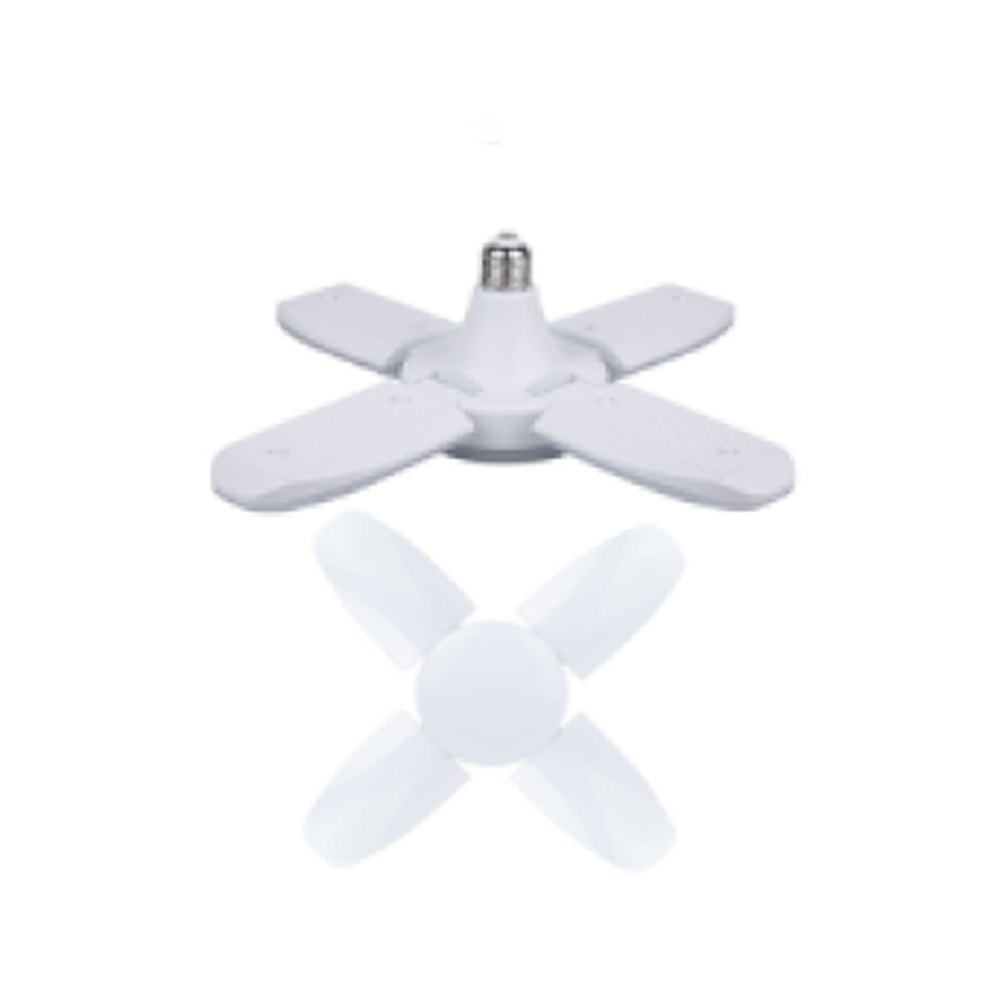
For barns and other large buildings, Zaferoğlu Elektrik makes high-output T-shaped lamps and folding winged lamps. Before using them in a farm setting, the suitability of the luminaire and lampholder for that environment should be assessed separately.
All news