
Temporary lighting on a construction site
Temporary site lighting shapes both the pace of work and the risk of falls and electrical injury. Here are the rules for organising it safely.
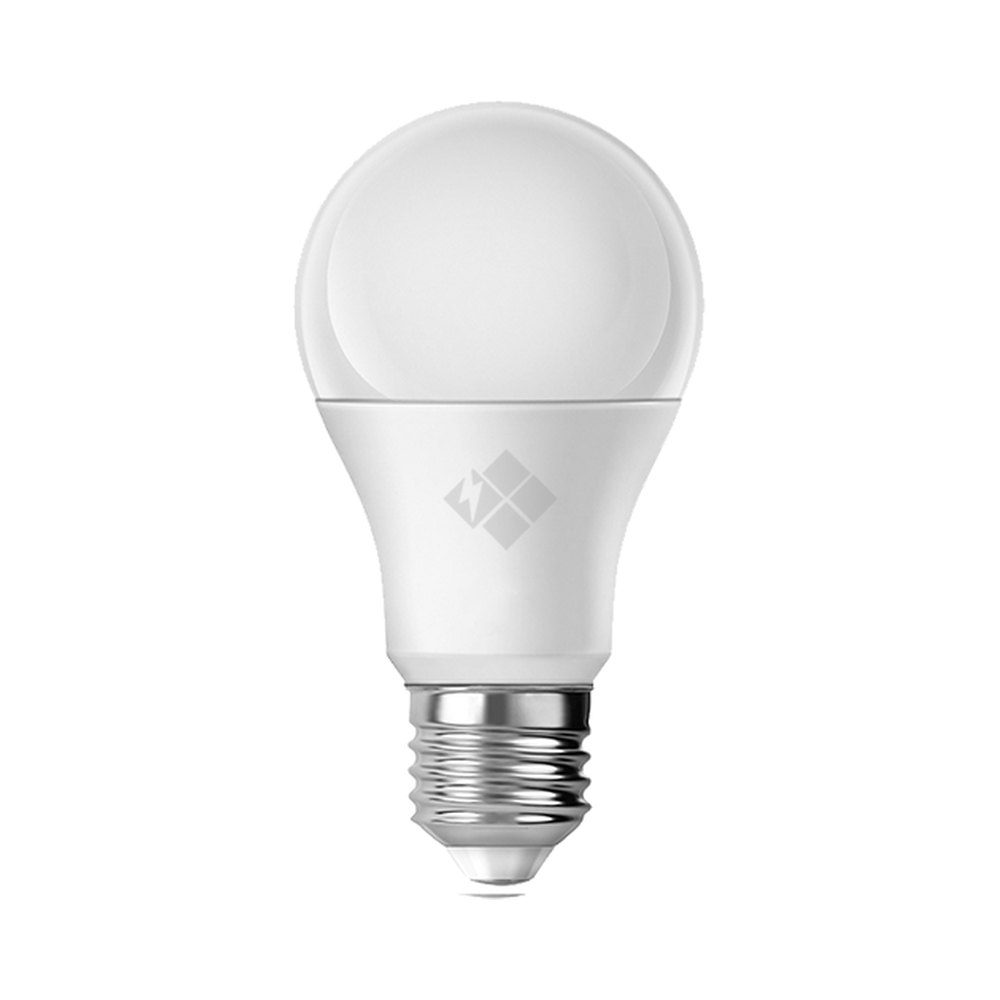
On a building site, lighting often lands on the "we'll sort it later" list. The result is bare lamps hanging from cables on every floor, extension leads snaking across the slab and dark stairwells. Yet in winter the working day starts and ends in darkness, and inside the structure there are plenty of shadowy areas even at midday until the windows go in. Organising temporary lighting properly affects both the quality of work and the safety of everyone on site.
Planning: where light is needed
A temporary lighting plan changes with the stage of construction, but the main zones stay much the same:
- access routes — stairs, walkways, floor landings, areas around lift shafts;
- work zones — where plastering, installation, welding and rebar work take place;
- perimeter and entrance — gates, storage, the plant yard and night security;
- welfare units — changing, canteen and site office cabins.
Decide in advance for each zone who switches the light on, where and how. A worker should be able to switch on the light from below before climbing to a dark floor.
Electrical safety comes first
A construction site is one of the harshest electrical environments: moisture, dust, wet concrete, steel structures and the risk of mechanical damage all come together. So:
- the temporary installation must be set up by a qualified electrician in line with the regulations in force;
- lighting circuits need protective circuit breakers and residual current devices (RCDs);
- cables should run overhead or in protected channels, not across walkways on the floor;
- connections should use connectors and boxes rated for outdoor conditions, never bare twisted wires.
The most common dangerous habit is a household lampholder wired to two conductors and hung from a wall. Such "temporary" solutions stay for months, fully exposed to water, dust and knocks.
Choosing fittings: impact, water and dust
Site fittings must withstand outdoor conditions and rain, keep dust out and resist impact. A metal guard over the lamp is important: a board or tool that knocks it can break the lamp and leave glass fragments and exposed contacts.
Large yards and upper floors need powerful sources. Compared with incandescent and halogen lamps, LED sources use less energy for the same light and run cooler. That matters for fuel use on generator-powered sites and for fire risk near timber and insulation materials.
Give portable floodlights a stable stand or fixing point: a light that falls over is damaged and suddenly leaves the work area in darkness.
Stairs, openings and glare
Falls are among the main causes of serious injury in construction, and darkness increases that risk. Every flight in a stairwell, slab edges, lift shafts and open holes in the floor must be lit separately and guarded.
Pointing a powerful floodlight straight at a worker's eyes is dangerous too. Someone on scaffolding or a ladder who is dazzled for a moment can lose their balance. Aim floodlights downwards onto the work surface, and angle lights along walkways so they do not shine into people's eyes.
Once interior finishing starts, the role of lighting changes. Plasterers check a wall's flatness with light raking across the surface at a very shallow angle, where small dips and bumps cast shadows and become visible. Defects that go unnoticed under flat overhead light tend to show up after handover, when the sun falls sideways through a window. Paint work also needs a daylight-like source with good colour rendering to check the shade.
On generator-powered sites, it is best not to share lighting circuits with heavy tools: when a compressor or welder starts, voltage dips and the lights flicker or even go out.
Neighbours, the road and night mode
On urban sites, perimeter floodlights must not point at neighbouring windows or at the road. Light that dazzles drivers creates a traffic hazard, and light shining into bedrooms all night leads to complaints. For night security it is enough to light entrances, storage and the fence rather than the whole site; motion-sensor sources are useful here.
Daily and weekly checks
- Are all stair and walkway lights working?
- Is any cable insulation damaged, crushed or exposed?
- Is the RCD tested regularly with its test button?
- Are guards and lenses on fittings intact?
- Have newly built floors been added to the lighting plan?
The range produced at Zaferoğlu Elektrik's plant, which opened in Ganja in 2021, includes T-shape high-power LED lamps. The catalogue can be reviewed and an offer requested for the quantity a site needs.
All news