
Buying bulbs in bulk: checking that a batch is consistent
When you buy hundreds of lamps, one odd shade can spoil a whole building. Here are practical steps to check that a bulk order is consistent.
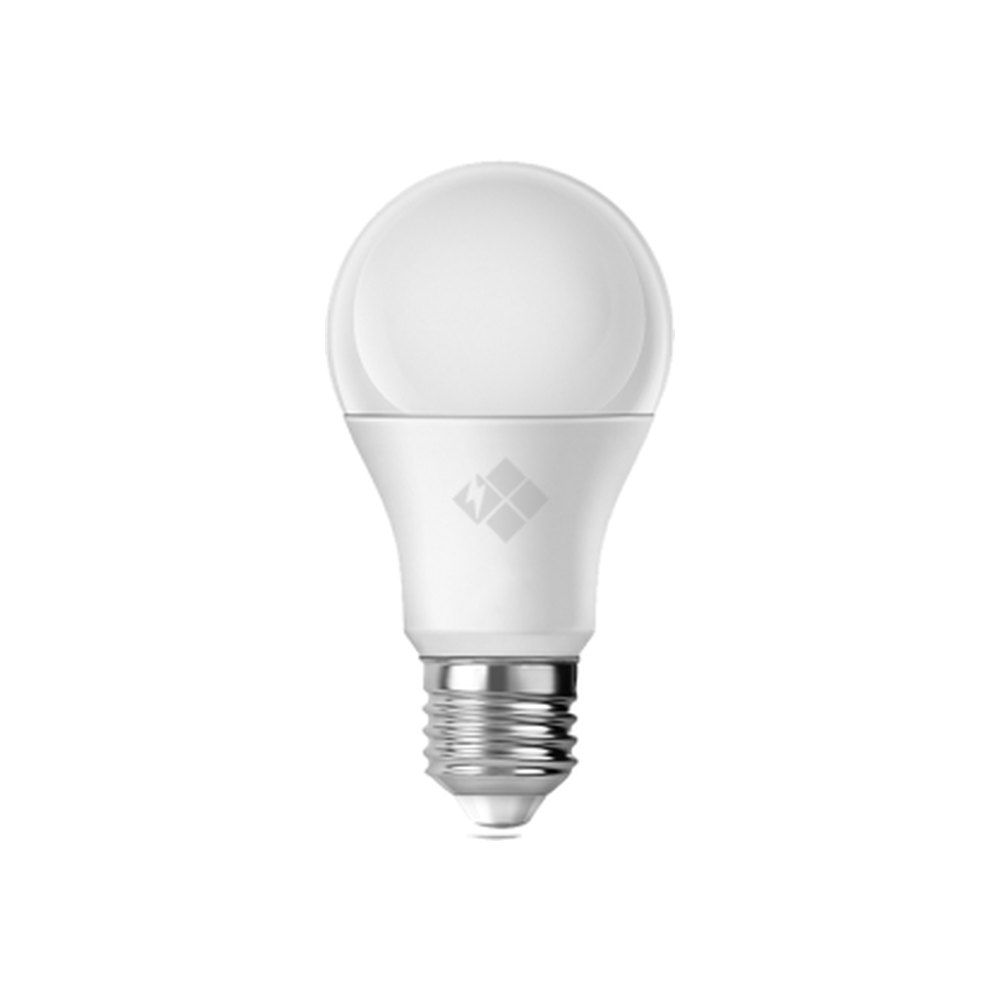
Buy two bulbs for home and a slight difference in their light usually goes unnoticed. Install hundreds across an office floor, a hotel or a chain of shops, and it is a different story. In a long corridor, one yellowish lamp next to a whiter one is obvious at once and makes the building look careless. In bulk buying, the goal is not just the right model but a consistent batch.
Same name, different lamp
Two lamps with the same wattage and colour temperature printed on the box can look different in practice. There are several reasons:
- different production batches — properties of LED chips and phosphor coatings can vary slightly from batch to batch;
- different model revisions — a manufacturer may update the internal components of a product without changing its name;
- different supply sources — one order assembled from two warehouses, with stock received at different times.
In the LED industry, spread in colour tone is expressed with MacAdam ellipses (SDCM steps): the smaller the step, the closer lamps with the same nominal tone look to each other. Not every manufacturer states it, but where it is given it is useful for comparison.
Before ordering: what to pin down
Writing "LED lamp 12 W" on a purchase order is not enough. Confirm the following in writing:
- the full model code and product name;
- cap type (E27, E14, GU10 and so on) and lamp shape;
- colour temperature in kelvin;
- luminous flux in lumens and rated power;
- whether the lamp is dimmable;
- lamp dimensions, especially for enclosed fittings;
- whether the whole quantity can ship from one batch.
If a large project will buy lamps in several stages, tell the supplier upfront and specify the same model code for later deliveries.
When goods arrive: simple checks
Set aside an hour before installing the whole delivery.
Check the packaging. Do the boxes show the same model code, batch number or production date? If markings differ, split the stock into separate groups.
Run a sample test. Fit a few lamps from each group into identical holders and switch them on side by side against a white wall or ceiling. A darkened room makes differences easier to see. Wait a few minutes — some lamps shift tone slightly after warming up.
Use a phone camera. A photo taken with automatic white balance turned off and fixed settings can reveal small differences the eye adapts to.
Check physical fit. Put a sample lamp into a real fitting: does the cover close, does the lamp stick out below the shade, is there flicker on a dimmer circuit?
Check for flicker. Point a phone camera at a lit lamp; if rolling bands appear on screen, note it and compare with the other groups. This is not a precise measurement, but it can reveal a sharp difference between samples.
Spot-check power draw. Use a simple plug-in energy meter to measure the actual power of a few lamps. Lamps of the same model should read close to each other and match the rated power on the packaging. A large gap may point to a different revision or different internal components.
Write the results down briefly: which boxes, which groups, what was observed. Later, in a conversation with the supplier, that record is the strongest argument you have.
When you find a difference
If the difference is slight, there is a way to hide it: do not mix groups in the same room. Put one group on one floor and the other on a different floor or in a separate zone. The eye only compares sources it sees side by side.
If the difference is large, or the parameters do not match the order, notify the supplier in writing before installation. Removing lamps that are already installed wastes both time and labour.
Spare stock and future replacements
The often-forgotten part of bulk buying is spare stock. A few years on, it will be impossible to replace a failed lamp with one from the same batch. It makes sense to order a set number of spares of each type with the main order and store them somewhere dry and protected from light and knocks. Labelling spare boxes with the zone they belong to makes maintenance easier.
Keep the paperwork too: model code, batch details, purchase date and the zones where lamps were fitted. When the next order comes, those records help find the closest match.
Trade buyers can filter the Zəfər İşığı catalogue from Zaferoğlu Elektrik by cap and lamp type and send a request for an offer on the models they need directly.
All news